Trending
Strong local currencies are delivering vital stability to import-reliant African economies facing persistent global market pressures.
In countries heavily dependent on foreign fuel, machinery, and food, resilient exchange rates give businesses clear forecasting conditions while helping shield consumers from imported inflation.
Kenya and South Africa stand out as prime examples of this trend, maintaining relative currency firmness through strategic foreign-currency inflows and steady investor interest.
Read More : G7 Opens Strategic Reserves to Curb Prices
The Kenyan shilling held steady against the U.S. dollar in late September, trading at KSh129.48 per dollar on September 24 as robust foreign inflows bolstered local liquidity.
Meanwhile, South Africa’s rand showed marked resilience, gaining 0.2 percent on September 10 to reach R16.0250 per dollar.
The rand sustained this momentum into late September as global market participants awaited key domestic inflation metrics and central bank policy rate announcements.
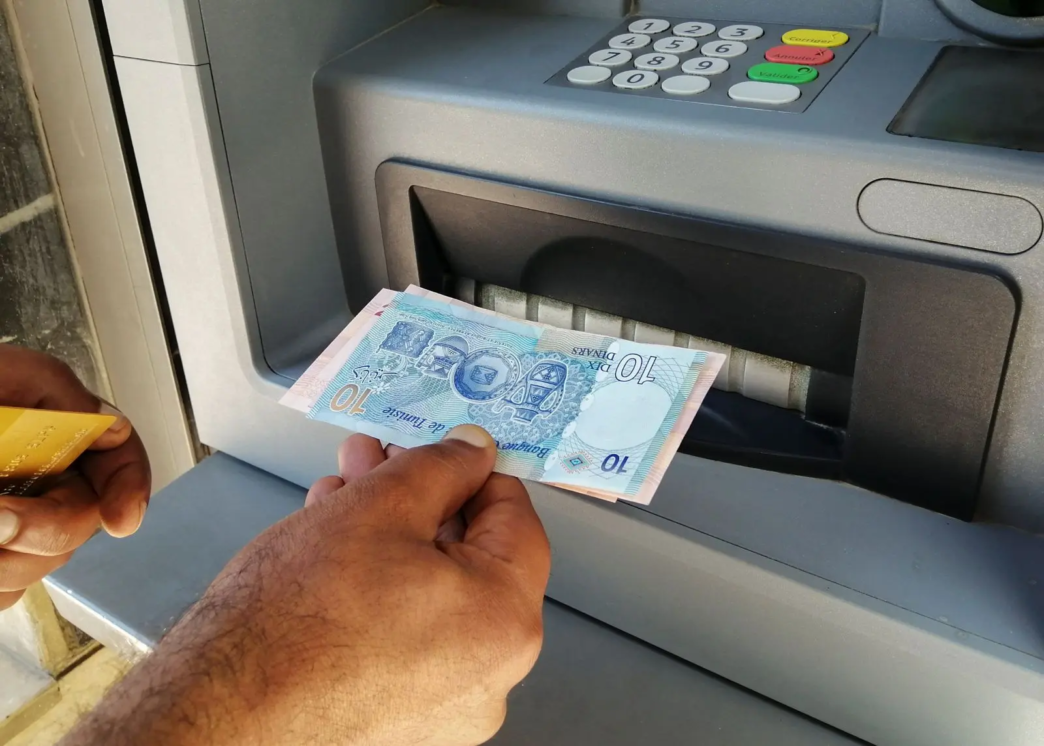
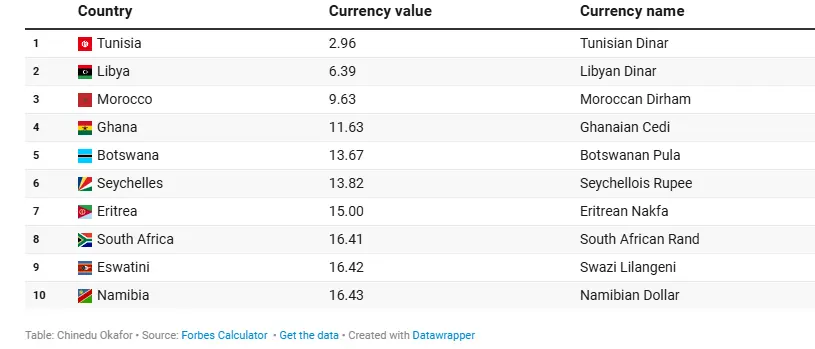
According to September 2026 data from Forbes, the Tunisian dinar ranks as Africa’s strongest currency at 2.96 per U.S. dollar, followed by the Libyan dinar (6.39) and Moroccan dirham (9.63).
The Ghanaian cedi (11.63), Botswanan pula (13.67), Seychellois rupee (13.82), and Eritrean nakfa (15.00) round out the upper tier.
Southern African currencies—the South African rand (16.41), Swazi lilangeni (16.42), and Namibian dollar (16.43)—complete the top 10.
Read More : Naira Holds Steady Across FX Markets
While currency appreciation reduces the local-currency burden of foreign-denominated debt and lowers import costs, financial experts caution that raw strength presents trade-offs.
Overly strong currencies can diminish export competitiveness by rendering local goods costlier abroad.
Consequently, economists emphasise that manageable volatility and predictable stability—rather than peak exchange rates—yield the greatest long-term economic dividends.