Trending

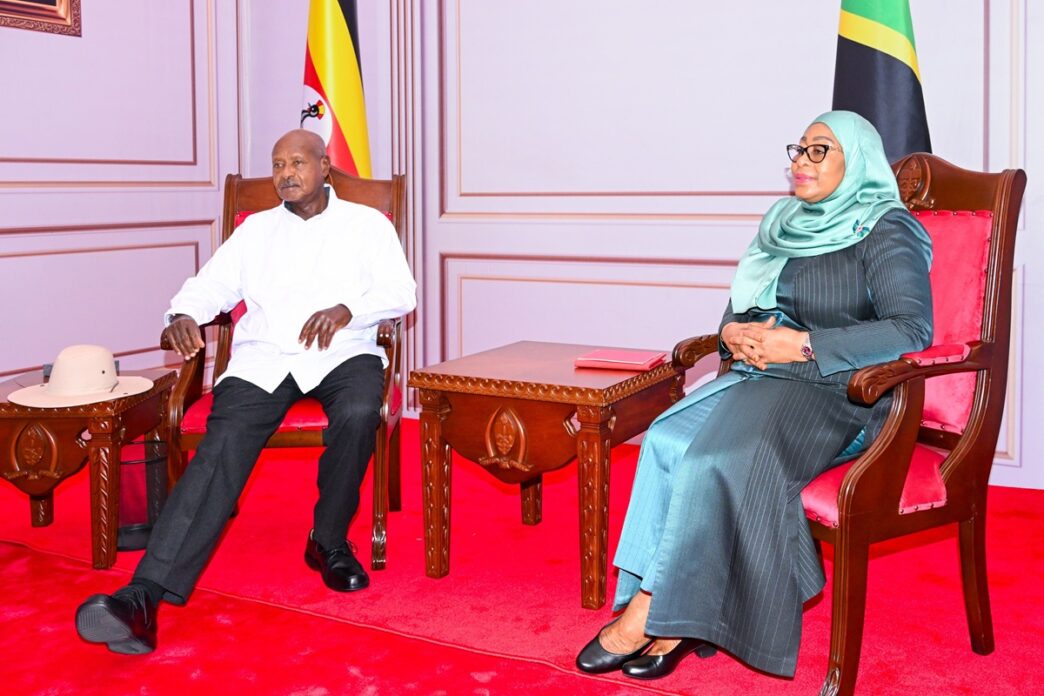
Uganda and Tanzania have signed a landmark agreement to develop the Tanga Regional Energy Hub, deepen cooperation on energy infrastructure and reinforce efforts to boost regional trade and integration across East Africa.
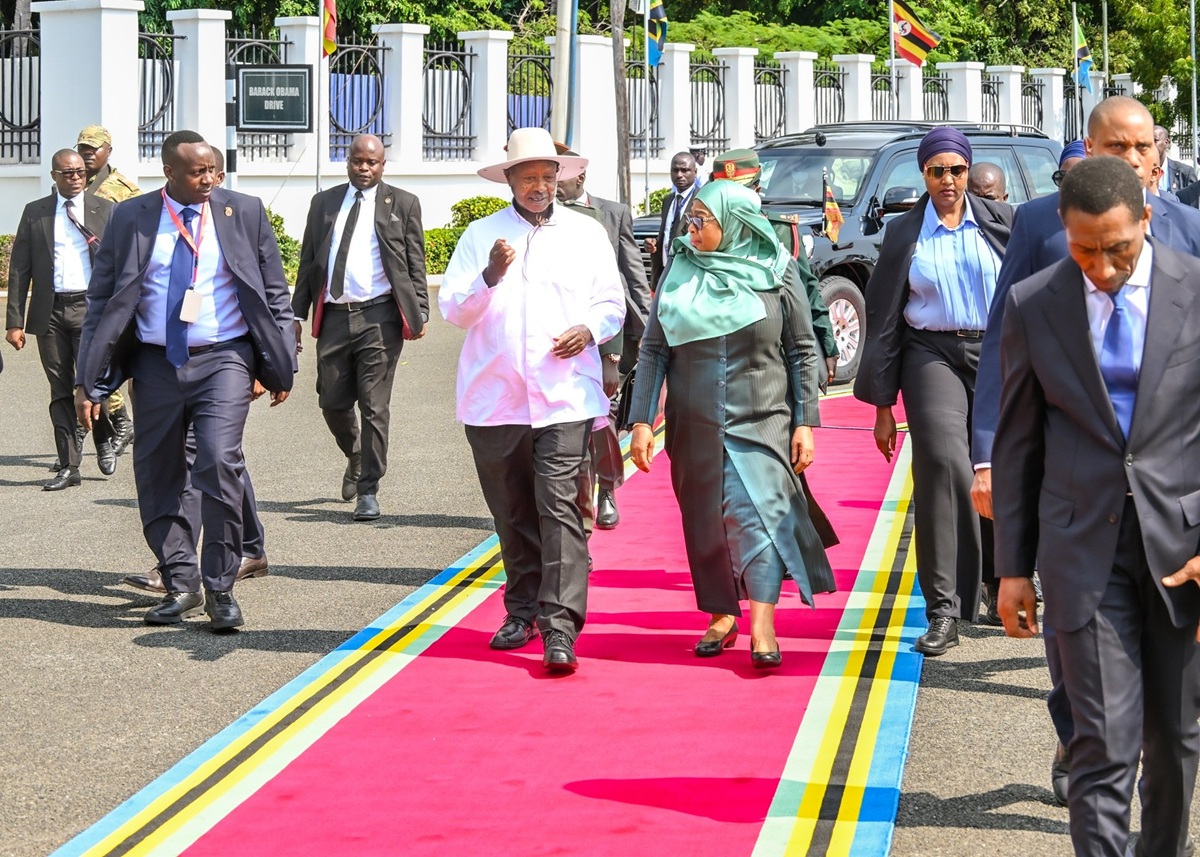
The agreement was signed on Thursday in Dar es Salaam in the presence of Ugandan President Yoweri Museveni and Tanzanian President Samia Suluhu Hassan during Museveni’s two-day working visit to Tanzania.
The Memorandum of Understanding was signed by the Uganda National Oil Company, the Tanzania Petroleum Development Corporation and Vitol Bahrain E.C.
Read More : US Visa Denials Trim Uganda’s UNGA Team
The agreement builds on cooperation established through the East African Crude Oil Pipeline and aims to transform Tanzania’s port city of Tanga into a regional hub for petroleum storage, logistics, trading and distribution.
Officials said the project will complement Uganda’s planned 60,000-barrel-per-day Hoima Refinery while strengthening energy security and supporting economic growth across East and Central Africa.
Uganda’s Minister of Energy and Mineral Development, Monica Musenero, described the agreement as a major step towards regional industrialisation.
She said the partnership marked “a significant milestone in advancing regional industrialisation and shared prosperity.”
Musenero disclosed that feasibility studies for a refined petroleum products pipeline and storage terminal are expected to be completed later this year, while studies for a natural gas pipeline linking Uganda and Tanzania are due for completion by October 2026.
She also said Uganda had secured US$250 million in World Bank financing for its section of the Uganda-Tanzania 400kV electricity interconnector project.
Tanzania’s Minister of Energy, Deo Ndejembi, said the agreement represented the next phase of cooperation between the two countries following the East African Crude Oil Pipeline project.
He noted that the proposed Tanga Regional Energy Hub could attract investments exceeding US$20 billion.
Ndejembi said the Tanga Hub and Uganda’s Hoima Refinery were designed to complement each other, adding that a proposed bidirectional multi-product pipeline would improve the movement of refined petroleum products across the region in response to market demand.
President Samia later hosted Museveni at a state luncheon, where both leaders reaffirmed their commitment to expanding bilateral cooperation and pursuing initiatives aimed at strengthening regional integration, energy security and economic development.
Uganda and Tanzania have significantly expanded their energy cooperation in recent years, largely through the East African Crude Oil Pipeline (EACOP), a major cross-border infrastructure project designed to transport crude oil from Uganda’s oilfields in Hoima to the Tanzanian port of Tanga for export.
Read More : Uganda Suspends Military Cooperation With Turkey
Uganda is also developing the Hoima Refinery as part of its strategy to refine a portion of its crude domestically while exporting the remainder through EACOP.
The latest agreement seeks to integrate those projects with expanded petroleum storage, logistics and pipeline infrastructure, positioning Tanga as a regional energy hub serving markets across East and Central Africa.
The two countries have also been collaborating on electricity interconnection and natural gas infrastructure as members of the East African Community, with both governments promoting energy integration as a driver of industrialisation, trade and long-term economic growth.