Trending


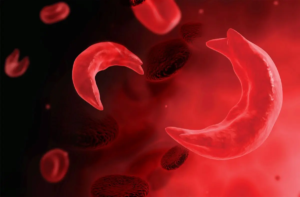
Nigeria has called for stronger collaboration among multilateral institutions, development partners, philanthropies, researchers and the private sector to tackle the global burden of Sickle Cell Disease (SCD).
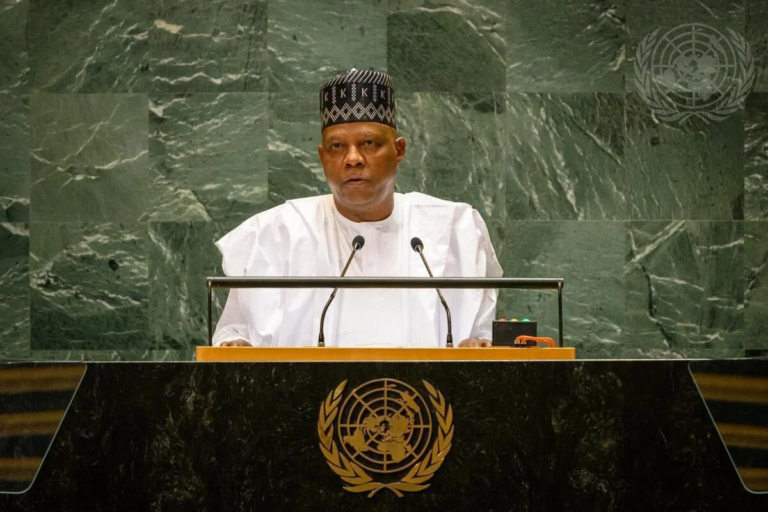
The Minister of State for Health and Social Welfare, Dr Iziaq Salako, made the call during the inauguration of OneSCD, a global partnership launched on the sidelines of the 81st United Nations General Assembly in New York.
OneSCD seeks to advance equity and transform Sickle Cell Disease care by connecting political leadership, technical expertise, lived experiences and financing to support country-led solutions.
Read More : Obi Dismisses Anambra Debt Allegations
Salako said the global response to SCD continues to face major challenges, including inequalities in access to care, structural barriers, fragmented interventions and years of limited prioritisation.
He noted that nearly eight million people live with SCD worldwide, with more than 75 per cent of cases found in sub-Saharan Africa.
According to the minister, Nigeria has the highest burden of the disease globally, with an estimated 150,000 to 180,000 babies born with the condition annually.
He said the scale of the challenge has made SCD a national priority, integrated into Nigeria’s child survival, maternal health, primary healthcare, non-communicable disease and Universal Health Coverage programmes.
“This is why OneSCD matters; to provide a global mechanism that connects political leadership, technical expertise, lived experience and financing behind country-led action,” Salako said.
He added that Nigeria, as a champion country in the partnership, would continue expanding early diagnosis and comprehensive care across primary, secondary and tertiary healthcare levels.
Salako said Nigeria would strengthen accountability through improved data systems, measurable targets and sustainable financing while ensuring that people living with SCD and their families remain central to policy decisions and programme implementation.
The minister highlighted ongoing efforts by the Federal Ministry of Health and Social Welfare, including the National Sickle Cell Disease Steering Committee and the National Guidance for Control and Clinical Management of SCD.
He said pilot newborn screening programmes in Lagos, Kano and the Federal Capital Territory are testing approaches that use maternity, immunisation, paediatric and primary healthcare services.
Salako also said six centres of excellence have been established and equipped with high-performance liquid chromatography machines for specialised diagnosis. He added that Nigeria is working to improve access to affordable medicines and diagnostics, strengthen healthcare supply chains, train health workers and develop referral systems for patients.
Read More : Tipper Crushes Motorcyclist to Death in Lagos
The minister said SCD indicators are being integrated into national health information systems, while financing options through health insurance, domestic resources and public-private partnerships are being explored. He said the goal is to ensure families do not carry the cost of treatment alone.
“The launch of OneSCD is moving SCD from a neglected disease to the front burner,” Salako said.
He said the partnership must lead to coordinated action, accountability and measurable progress so that a child’s place of birth does not determine their chances of surviving and thriving with Sickle Cell Disease.