Trending
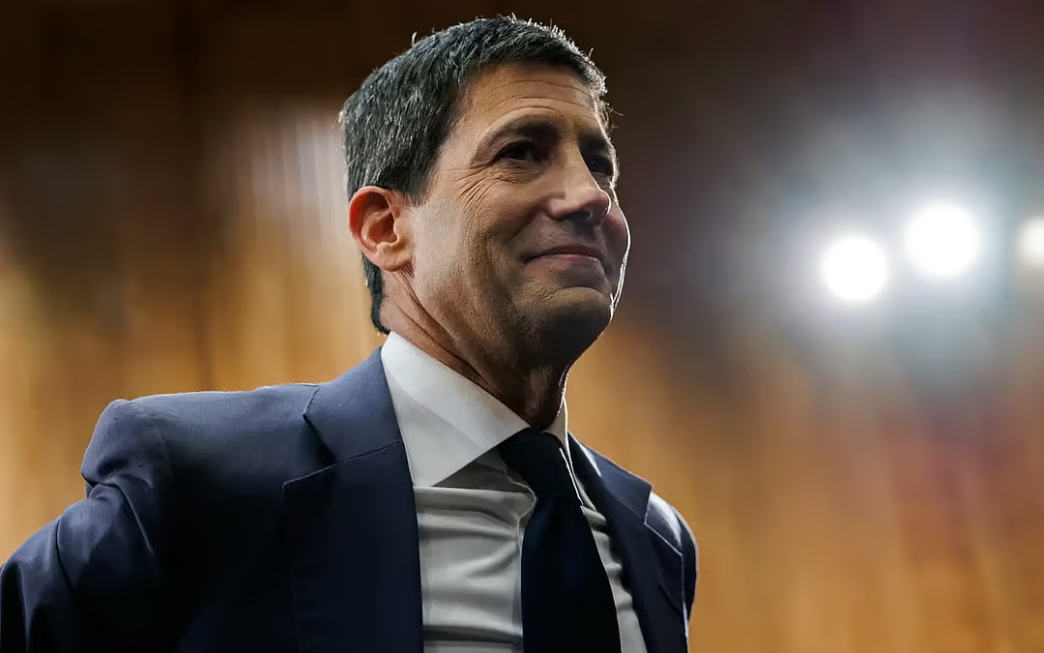
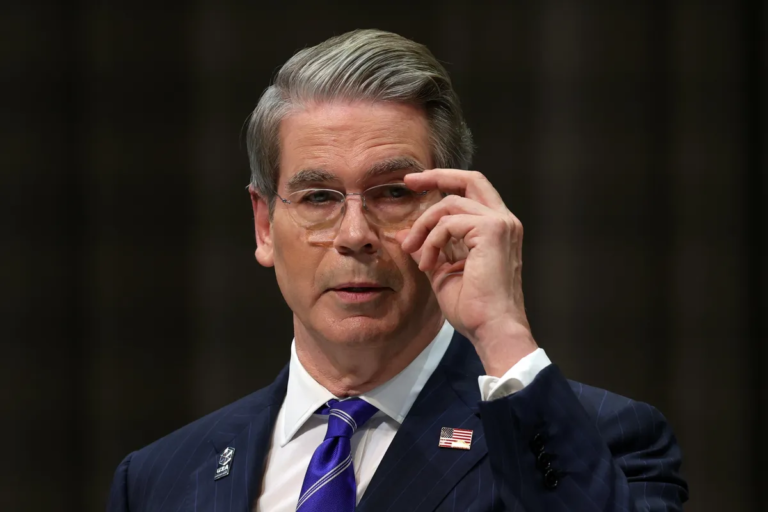
The US Federal Reserve has begun its second policy meeting under new chairman Kevin Warsh, with investors expecting the central bank to keep interest rates unchanged as inflation pressures and rising energy costs continue to weigh on the outlook.
The Federal Open Market Committee (FOMC) is scheduled to announce its decision on Wednesday at 2:00 pm (1800 GMT), after two days of closed-door discussions. Warsh will later address reporters at a press conference, offering insight into the Fed’s approach under his leadership.
Markets largely expect policymakers to maintain the benchmark interest rate at 3.50–3.75 per cent for a fifth consecutive meeting, according to the CME FedWatch tool. However, uncertainty over inflation has increased following renewed tensions between the United States and Iran, which have pushed global energy prices higher.
Read More : Trump Expects US-Iran Talks to Resume This Week
US consumer inflation eased to 3.5 per cent year-on-year last month but remains above the Fed’s long-term two per cent target. The central bank has struggled to consistently achieve that goal for more than five years.
Recent military exchanges between Washington and Tehran, including US strikes and retaliatory actions by Iran against regional allies, have added pressure to energy markets. Yemen’s Houthi rebels have also threatened disruption along the Red Sea oil route, contributing to a rise in crude prices. Benchmark oil futures recently moved above $100 per barrel for the first time since May.
Fed officials have indicated growing concerns that inflation could remain persistent. Governor Chris Waller said last week that the central bank must be prepared to tighten monetary policy to avoid repeating the inflation surge experienced between 2021 and 2022.
“The Fed has to be ready to tighten monetary policy to prevent a repeat of the 2021-to-2022 inflation episode,” Waller said, adding that simply waiting for inflation to decline is not an option.

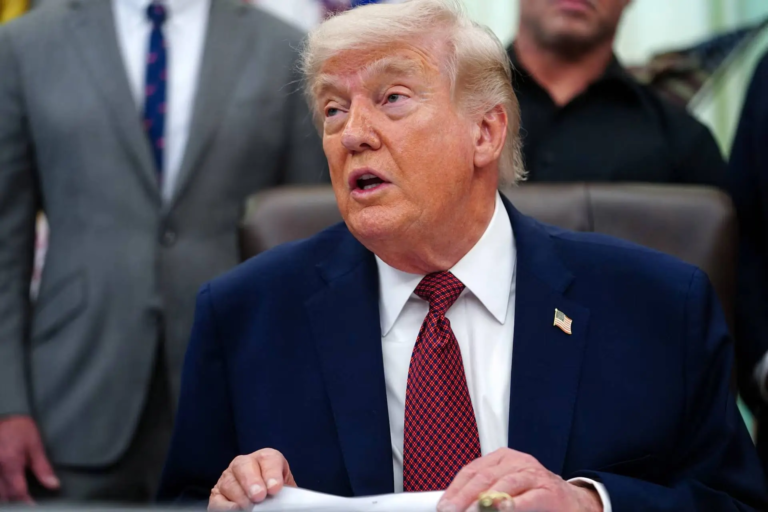
Warsh, who was selected by US President Donald Trump, has faced scrutiny over his approach to monetary policy. Trump has repeatedly called for lower interest rates and has increased pressure on the Fed, despite its traditional independence from political influence.
Since becoming chairman, Warsh has promised to reduce the Fed’s reliance on forward guidance, arguing that policymakers should not be locked into positions that may later need adjustment. Critics say limiting communication could create uncertainty for financial markets.
Warsh has described his approach as a “resolute commitment” to restoring price stability, but analysts say he has provided limited details on when action may be taken.
“‘Resolute commitment’ is, in my opinion, insufficient to tighten monetary policy and curb any inflationary pressures,” said Gregory Daco, chief economist at EY-Parthenon.
Other Fed policymakers have become more vocal about the risks of inflation, with analysts expecting possible disagreements during the meeting. Diane Swonk, chief economist at KPMG, said the Fed’s more cautious members are becoming increasingly concerned about economic developments.
Read More : UK Police Foil Terror Attack on US Base
“We may have a new chairman, but the old guard is now worried about where the economy has moved since the beginning of the year,” Swonk said.
She added that “the hawkish core of the Fed has not only hardened but it’s broadened,” pointing to pressures from fuel costs, artificial intelligence-driven demand and the continued impact of President Trump’s tariffs.
Although economists do not expect a rate increase at this meeting, many anticipate that inflation data, energy prices and economic conditions could shape the Fed’s decisions in the months ahead.