Trending
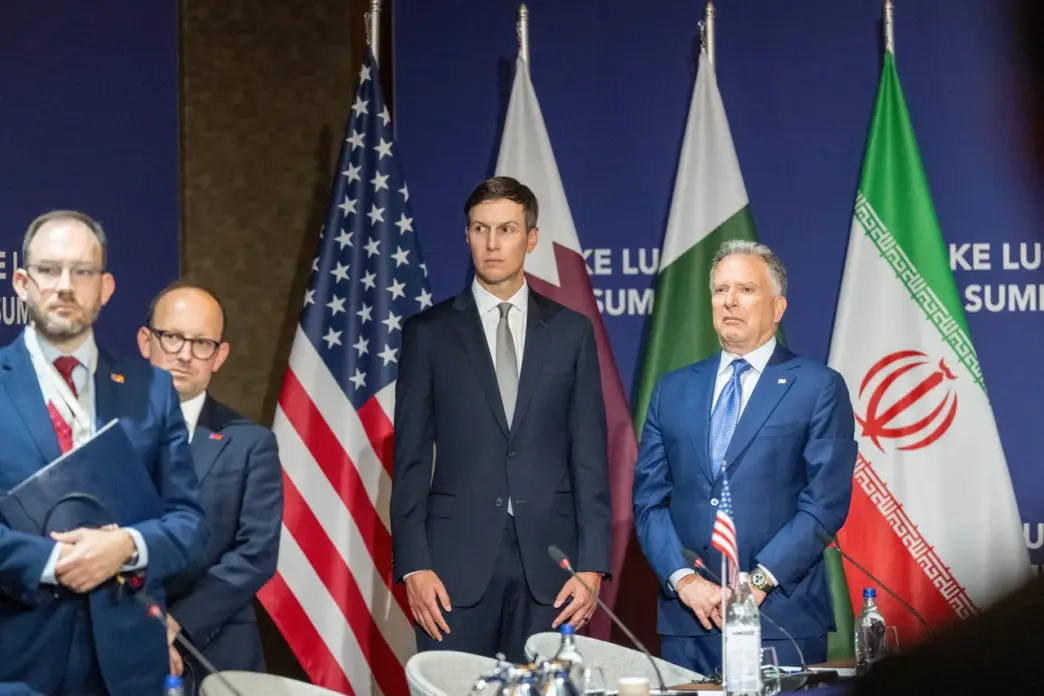
Qatar has said indirect talks between United States and Iranian delegations held in Doha have concluded with what it described as “positive progress” on key issues linked to a recent memorandum of understanding.
Foreign Ministry spokesman Majed Al Ansari confirmed the development in a post on X, noting that mediation efforts involved both Qatari and Pakistani intermediaries, who worked separately with the two sides.
“Qatar & Pakistan mediators concluded separate meetings with the US & Iranian negotiators in Doha today, with positive progress made on issues related to the Islamabad Memorandum of Understanding, building on the outcomes of the Lake Lucerne Summit,” Al Ansari wrote.
Read More : Three Killed in Saudi Airport Attacks
He added that both sides had agreed to continue discussions in the coming period, with the next round expected to be scheduled “at the earliest possible time following the funeral processions of the former Iranian Supreme Leader.”
The talks form part of a broader diplomatic effort aimed at stabilising tensions and advancing a framework for what officials describe as a potential long-term settlement linked to an interim arrangement between Washington and Tehran.
A senior US administration official said negotiators Steve Witkoff and Jared Kushner held constructive discussions in Doha, with progress recorded in parallel technical-level talks involving Iranian counterparts. According to the official, the objective remains to transform an interim peace arrangement into a more durable agreement to formally end hostilities.
The officials were present in Doha on Tuesday as part of ongoing indirect negotiations facilitated through regional mediators. The process follows a deal signed last month that opened a 60-day negotiation window. However, the initial phase of talks has faced complications, including renewed tensions around the Strait of Hormuz and disputes over its strategic management.
Despite these challenges, diplomatic engagement has continued. The latest developments suggest cautious momentum, though no final agreement has yet been reached as technical and political negotiations continue.