Trending
Iran and the United States exchanged fresh threats on Thursday after Yemen’s Houthi rebels attacked Saudi shipping in the Red Sea, pushing global oil prices higher and raising fears of a wider regional conflict.
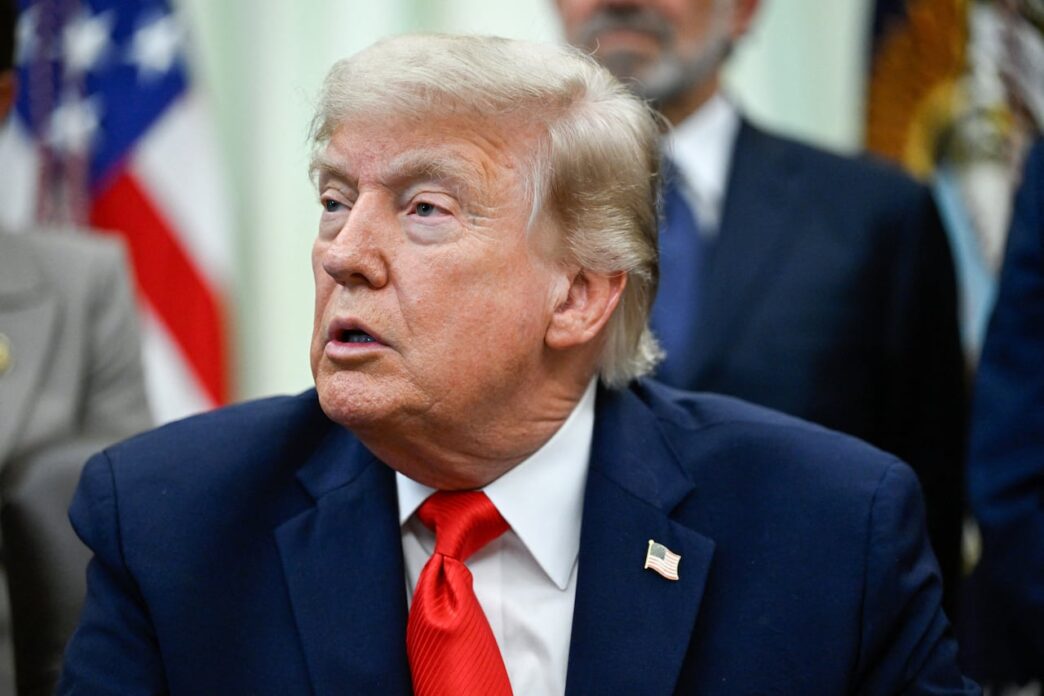
US President Donald Trump warned that Washington would hold Iran responsible for the Houthis’ actions, saying both Tehran and its allies would face a “major military punishment.”
The escalation sent Brent crude oil above $100 per barrel for the first time since May, rising 8.4 per cent, as world leaders voiced concern over the growing instability.
Read More : Former Kogi Governor Idris Laid To Rest
United Nations Secretary-General António Guterres warned the crisis was “getting out of control,” telling the UN Security Council that escalating conflicts were fuelling one another.
European Central Bank President Christine Lagarde cautioned that the energy shock could worsen inflation, while German Defence Minister Boris Pistorius warned of serious consequences for oil-importing economies and said there was no indication that a ceasefire was imminent.
The conflict reignited earlier this month after a brief ceasefire collapsed, with Iran and the United States resuming hostilities around the strategic Strait of Hormuz.
Iranian army spokesperson Mohammad Akraminia said the country’s retaliatory attacks would continue as long as US strikes on Iranian infrastructure persisted.
The Houthis this week declared a blockade of Saudi ports and claimed responsibility for missile and drone attacks on oil tankers in the Red Sea.
Jordan and Kuwait also reported intercepting projectiles that Iran said were aimed at US assets in both countries.
In the United States, the war has drawn increasing domestic criticism. With midterm elections approaching, the House of Representatives passed a symbolic resolution, supported by opposition Democrats and a handful of Republicans, urging Trump to halt the conflict.
Meanwhile, US Central Command said it had carried out a twelfth consecutive night of strikes targeting Iran’s ability to threaten commercial shipping and civilian vessels in the region.
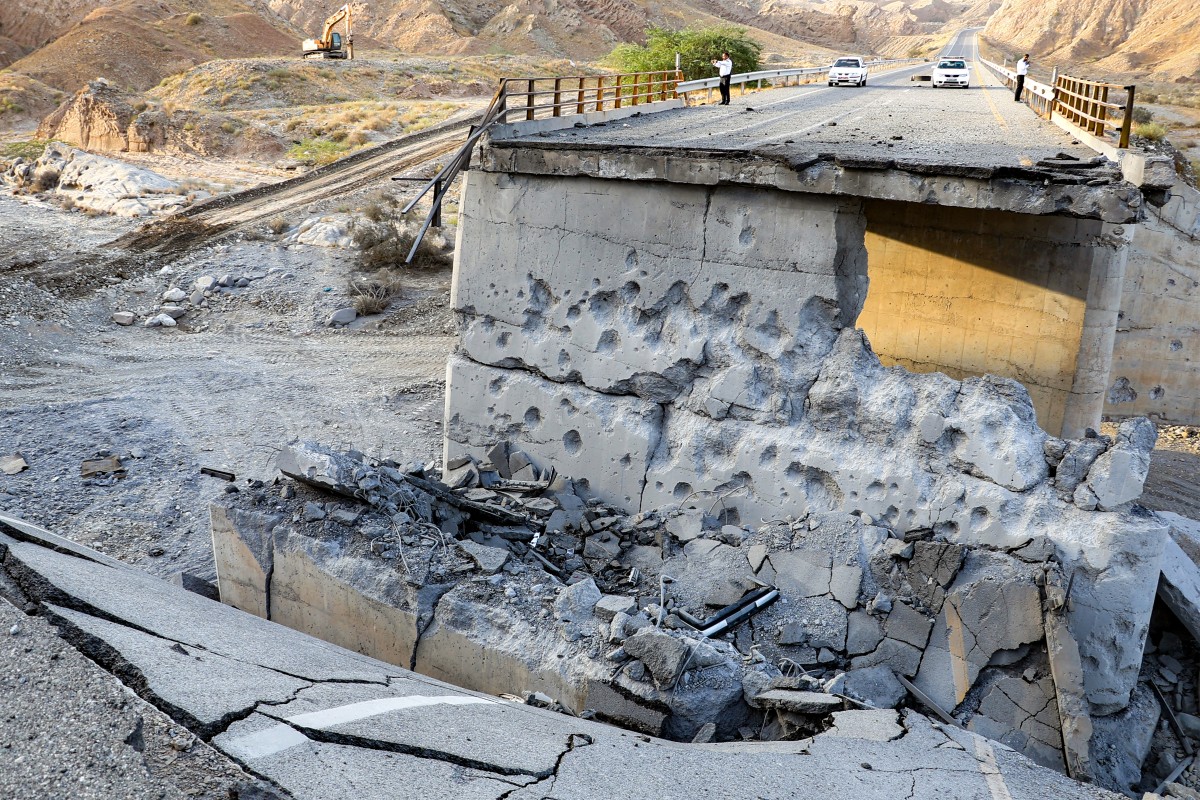
Iranian state media reported that a US strike killed two people at Shalamcheh near the Iraqi border. It also claimed US missiles struck Bushehr, home to Iran’s only civilian nuclear power plant, while another missile reportedly hit Qeshm Island in the Strait of Hormuz.
Kuwait said one of its border posts with Iraq was targeted by a drone but reported no casualties.
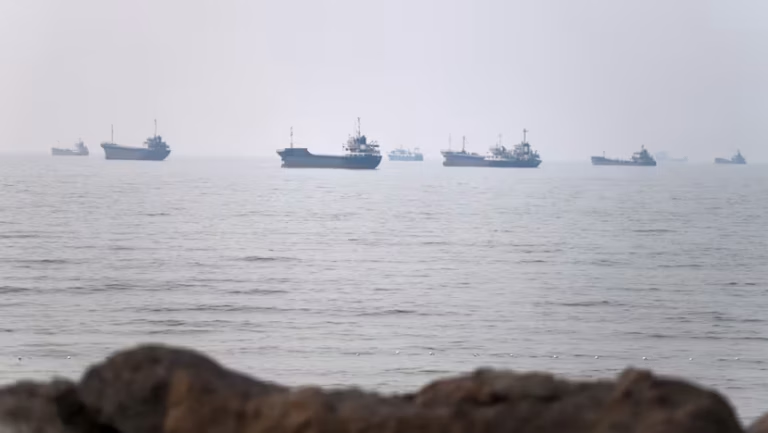
The Houthis said they attacked two Saudi oil tankers, the Encelia and the Layla, following their declaration of a blockade on Saudi ports.
The United Kingdom Maritime Trade Operations confirmed that the captain of a tanker reported being struck by an unidentified projectile about 70 nautical miles southwest of Al Shuqaiq, causing a fire.
Saudi Arabia confirmed that the Encelia had been hit but did not comment on the second vessel.
The attacks have intensified concerns over global energy supplies, with the Red Sea disruption adding to risks surrounding the Strait of Hormuz, a vital route for global oil exports.
Iran’s Revolutionary Guards also claimed they intercepted three oil tankers attempting to transit the Strait of Hormuz.
Read More : Philippines Suspends LPG, Kerosene Excise Duties
Speaking on the sidelines of a Southeast Asian summit in Manila, US Secretary of State Marco Rubio accused Iran of drawing the Houthis into the conflict.
He said the Houthis had largely stayed out of the fighting until now but had been “suckered” into attacking Saudi shipping by Tehran, expressing hope they would de-escalate.
Oman, which has long mediated between the Houthis and Saudi Arabia, said it was working to revive negotiations between the two sides and expressed deep concern over the deteriorating security situation in the Red Sea.