Trending

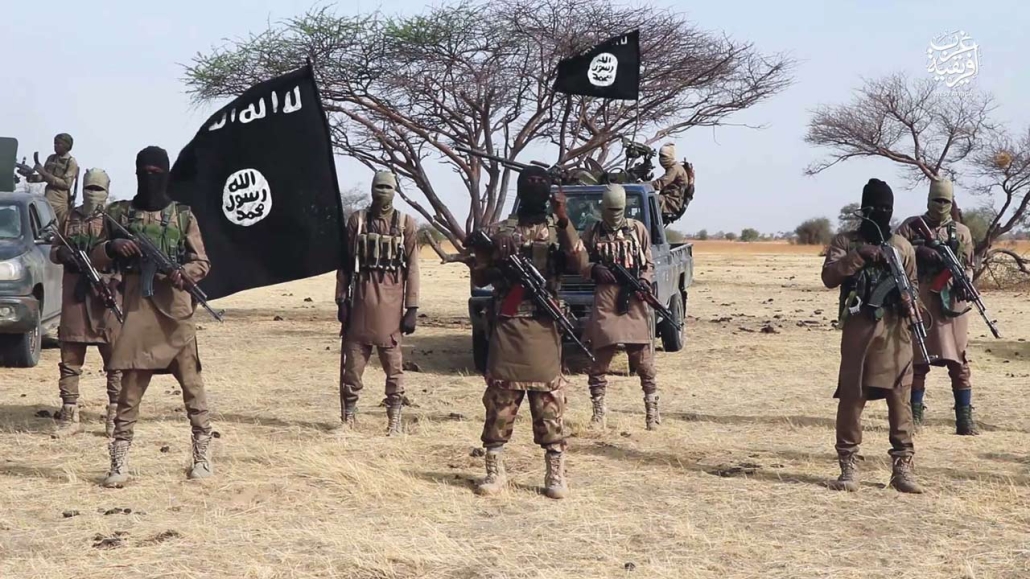
The United States has designated Nigeria and the Lake Chad Basin as high-priority zones in its 2026 counterterrorism strategy, citing a significant resurgence of extremist activity across Africa.
According to the strategy document, the collapse of ISIS strongholds in the Middle East has led remnants of the group to relocate to the Sahel and West Africa, where they exploit security gaps.
The U.S. warns that these resurgent threats now pose a direct risk to global security and American interests abroad.
Read More : Niger Cash Handout Stampede Kills Three
Under the current administration’s approach, Washington aims to prevent these groups from establishing permanent operational bases while shifting toward a “light military footprint.”
Instead of large-scale troop deployments, the strategy emphasises rebuilding bilateral relations with African governments to focus on intelligence sharing and partner-force development.

A central pillar of this policy is the protection of targeted religious groups, with the document explicitly highlighting the defence of Christians in Nigeria as a major priority.
Read More : Tinubu to Address Nigerians at 7am on October 1
The strategy also critiques previous foreign policies for allegedly allowing extremist organisations to regroup and praises recent decisive actions taken by President Donald Trump in response to violence in Nigeria.
Moving forward, the U.S. expects regional partners to take a leading role in territorial control.
The document suggests that while Africa holds immense potential, stability depends on the ability of local governments to eliminate safe havens for groups like ISIS and Al-Shabaab.