Trending
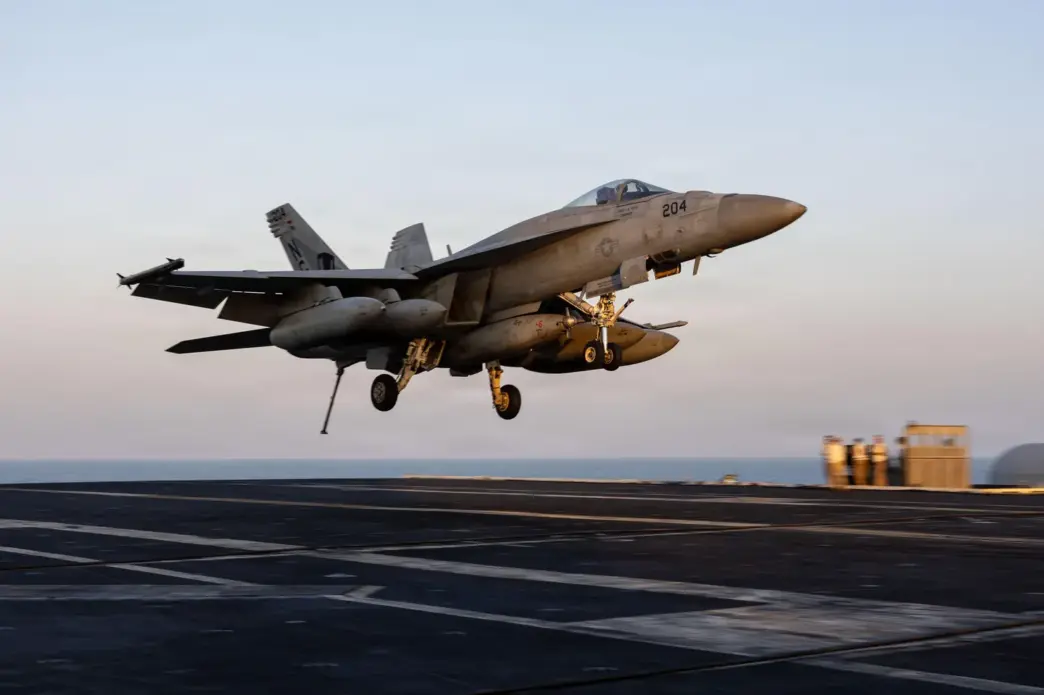
The United States (US) has launched military strikes against Iran after three commercial vessels were attacked in the Strait of Hormuz, sharply escalating tensions between Washington and Tehran as both sides continue efforts to reach a broader agreement to end the Middle East conflict.
The US Central Command said the “powerful” strikes were carried out in response to attacks on commercial ships using the strategic waterway, warning that the operation would “impose heavy costs for targeting and attacking commercial shipping.”
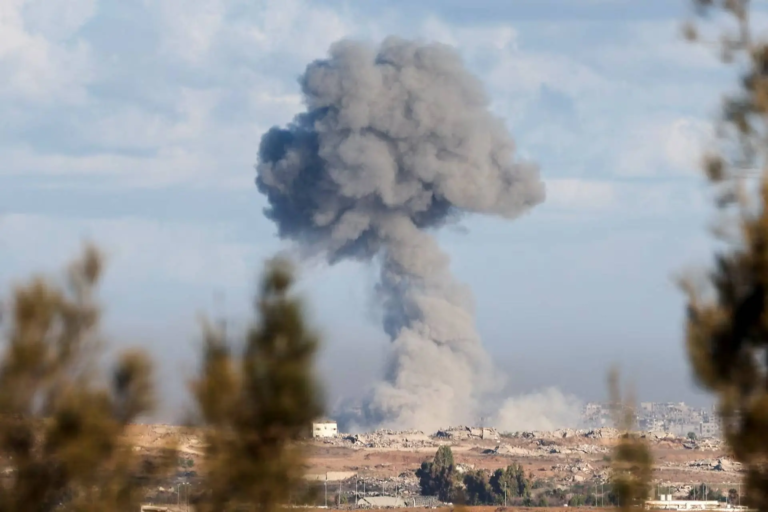
Iranian state media reported multiple explosions around the Strait of Hormuz, including blasts on Qeshm Island, in the city of Sirik and around Bandar Abbas, one of Iran’s major port cities. Iran’s foreign ministry accused Washington of violating the memorandum of understanding agreed upon between the two countries and threatened retaliation.
Read More : Three Killed in Saudi Airport Attacks
“Iran is issuing a serious warning about the consequences of America’s breach of the treaty, and will take decisive measures to protect its interests and national security,” the ministry said in a statement carried by state media.
The strikes came shortly after the United States revoked a temporary sanctions waiver that had allowed Iran to produce, sell and transport crude oil and related products until August 21.
A US official told AFP that “Iran’s actions in the Strait were wholly unacceptable to the United States and will be met with consequences.” The official, who spoke on condition of anonymity, said the US-Iran agreement was “entirely performance-based,” adding that Tehran would only receive benefits if it demonstrated “good behaviour.” However, the official said American negotiators were still working “in good faith towards a final deal.”
The attacks on shipping were first reported by the British maritime security agency UKMTO, which said an unidentified projectile struck a tanker overnight, causing a fire, before two additional vessels were hit, with at least one believed to have been targeted by a drone.
The incidents occurred near Oman, which had proposed a temporary maritime corridor along its coastline to allow vessels to continue operating safely. Iran had opposed the plan as it seeks to introduce a fee system for ships using the narrow waterway.
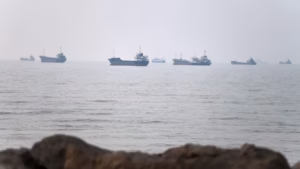
Qatar identified one of the affected vessels as its liquefied natural gas tanker, Al-Rekayyat, and accused Iran of being responsible for the attack. Doha described the incident as an “unacceptable” threat to international maritime navigation.
Qatar’s Foreign Ministry spokesman Majed Al Ansari said the country held Iran “fully legally responsible” for the attack and any resulting consequences, while Tehran rejected the accusations as “unacceptable.”
The latest escalation has revived fears over freedom of navigation through the Strait of Hormuz, a critical route for global energy supplies. Oil prices rose by more than two per cent following the attacks, reflecting renewed concerns over disruptions to international markets.
Read More : Trump to Present Award to Musk, Tech Leaders
Maritime traffic had only recently begun to recover after Washington and Tehran signed a 14-point memorandum last month. Under the agreement, Iran and Oman were expected to hold discussions with other Gulf states regarding the waterway’s future administration and maritime services.
Qatar, which had previously stepped back from mediation efforts during earlier hostilities, has since taken a more active role by hosting indirect talks between Iran and the United States.
The latest strikes, however, have placed the fragile diplomatic process under renewed pressure as both sides face growing uncertainty about the agreement’s future.