Trending
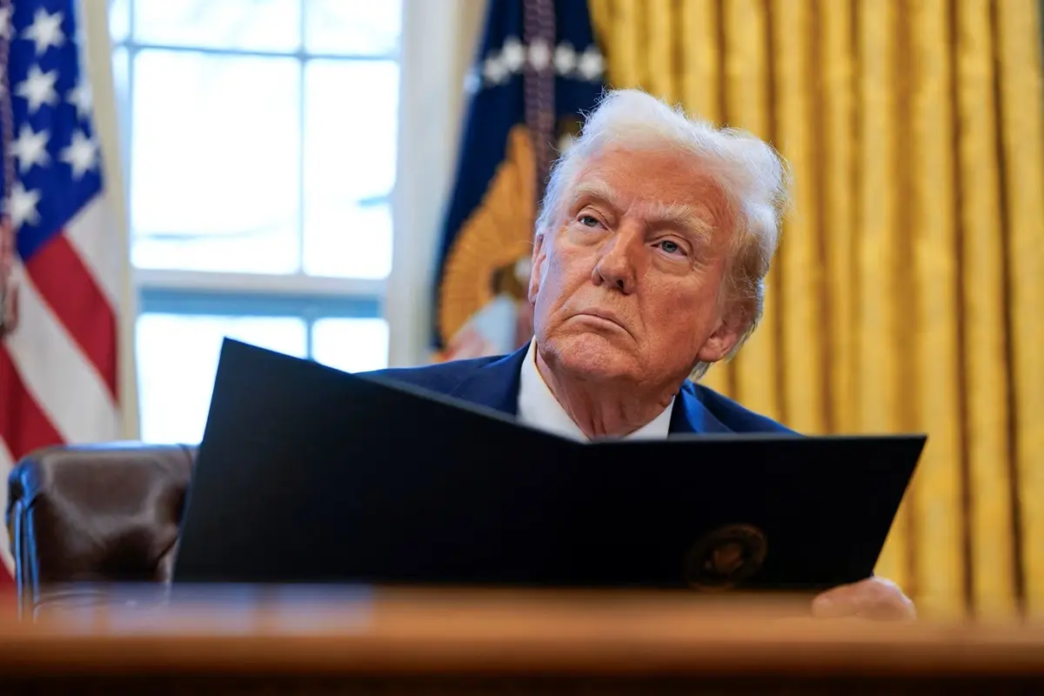
The United States says it is planning further action against South Africa after the announcement of a new visa restriction policy.
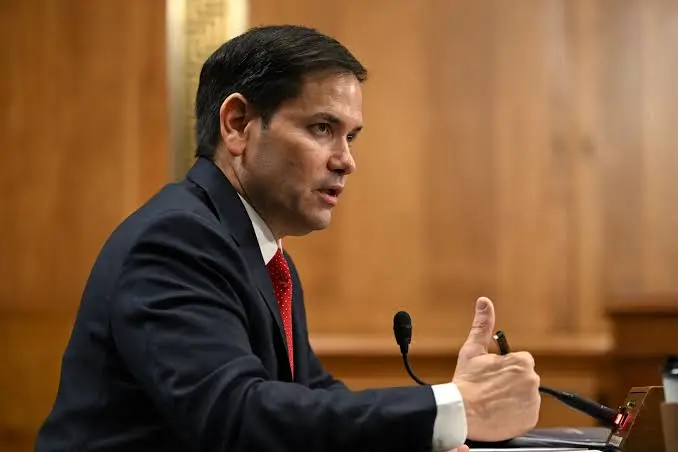
On Wednesday, September 16, US Secretary of State Marco Rubio announced visa restrictions on South Africans who are “who are responsible for, or complicit in, the enactment or implementation” of policies the US considers “egregious”.
US Ambassador to South Africa Brent Bozell later said the visa restrictions were only the first part of a series of measures the United States plans to take against South Africa.
He said the United States was moving away from prolonged discussions and was now taking action.
“This visa restriction policy is only the first step in a series of escalatory measures that will show America’s firm resolve in this matter,” he said.
Bozell said the measures were being taken because the US was not satisfied with the outcome of previous discussions between the two countries.
“The time for endless ‘dialogue’ has run its course. No more. America has just so much patience. We want strong, and lasting relations with the South African government.”
“It needs to show it wants the same. So far, it has shown it cares for neither. As a result,the consequences, as I’ve attempted time and again to express, are necessarily going to be severe.”
Bozell did not elaborate on what further actions or consequences may follow.
The visa restrictions imposed on South Africa stem from policies including Black Economic Empowerment and land expropriation without compensation.
In his statement, Rubio highlighted both BEE and land expropriation laws, saying South Africa had not done enough to adequately address the concerns raised by the United States.
In March 2026, Bozell outlined five “asks” directed at the South African government regarding the policies.
These were similar to demands previously communicated to South African delegations to the United States in June 2025.
They include:
- Protecting rural communities from violence, referring to the globally publicised farm attacks. In 2025, the US wanted this to become a priority crime focus.
- Condemning rhetoric that incites hatred and glorifies violence, referring to the infamous “kill the boer” chant. The US wants the government to publicly condemn this.
- Ensuring appropriation policies include fair and clear compensation standards, referring to the government’s move to normalise “nil” compensation in new expropriation laws.
- Ending mandatory surrender of ownership or control of corporate decision-making as a cost of one’s own business, referring to South Africa’s strict BEE policies.
- Ending its association with Iran and enemies of the United States and becoming a non-aligned state as it purports to be.
At the time, Bozell said addressing these issues was “achievable, practical and beneficial to both Americans and South Africans”.
However, he said Pretoria had kept Washington waiting for more than a year and warned that patience was running thin.
“We believe that it becomes a statement by the South African government when it doesn’t want to respond to simple questions that we have,” he said.
The Office of the Presidency confirmed only last week, on September 11, that it was still drafting a response to the questions.
Rubio and Bozell have now indicated that the period for waiting for a response is over.
“The United States remains gravely concerned about racially motivated crime and government-sponsored discrimination occurring against the Afrikaners and other minority populations in South Africa,” Rubio said.
“We once again strongly urge the South African government to quickly address these egregious actions.”
South Africa has previously rejected claims by the US that its laws discriminate against Afrikaners.
The government has also described farm murders as part of the country’s wider violent crime problem, pointed to court rulings defending the protected speech of “kill the boer”, and maintained its non-aligned position.
It has also argued that its expropriation laws are similar to those in other countries, although the “nil compensation” aspect of the laws is currently being challenged in court.