Trending

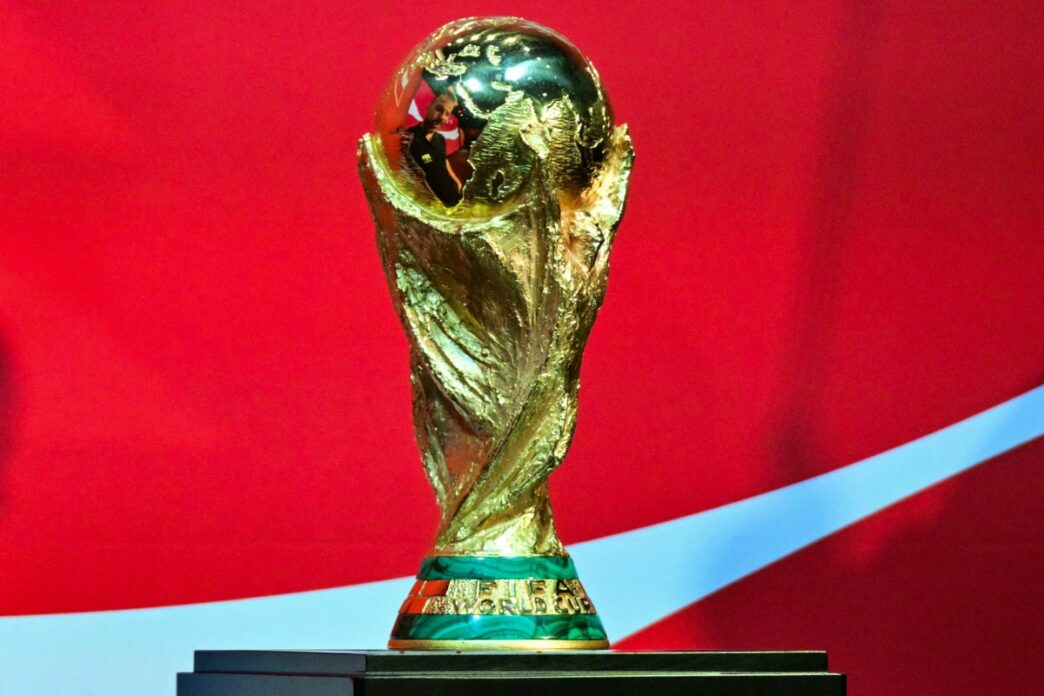
For many people in Cuba, the 2026 FIFA World Cup has provided a rare moment of relief from the country’s severe economic difficulties, with football fans gathering to watch matches despite power cuts, fuel shortages and rising hardship.
As Morocco held Brazil to a draw, residents of Havana temporarily set aside daily struggles to enjoy the tournament, which state television began broadcasting two days after the competition kicked off.
Football Growing in Popularity
Although Cuba‘s traditional sporting passion is baseball and the country has appeared at only one World Cup, in 1938, football has become increasingly popular among young people.
Read More : Washington Tightens Iran Economic Squeeze
Residents say the sport’s rise has accelerated since smartphones became widely available in 2018, exposing Cuban youth to international football leagues and tournaments.
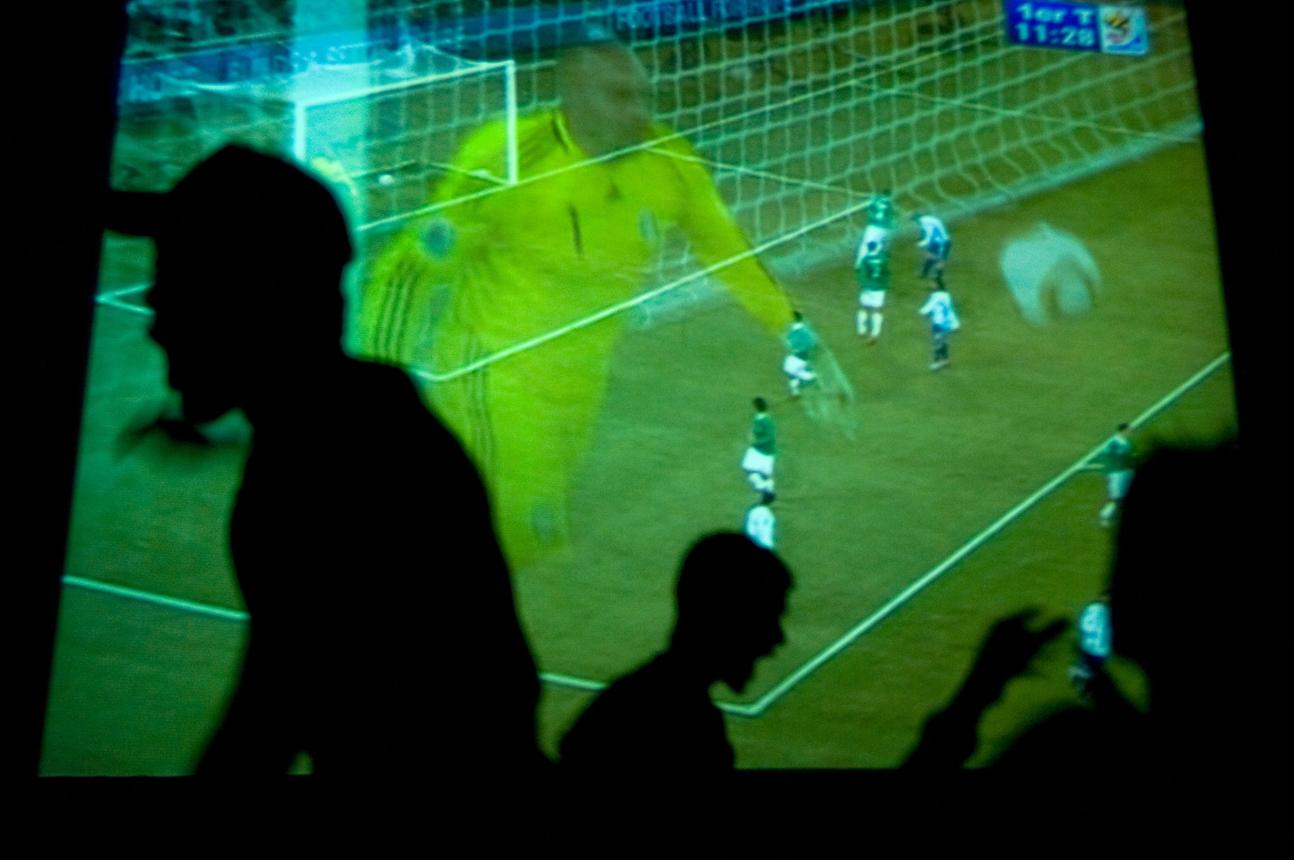
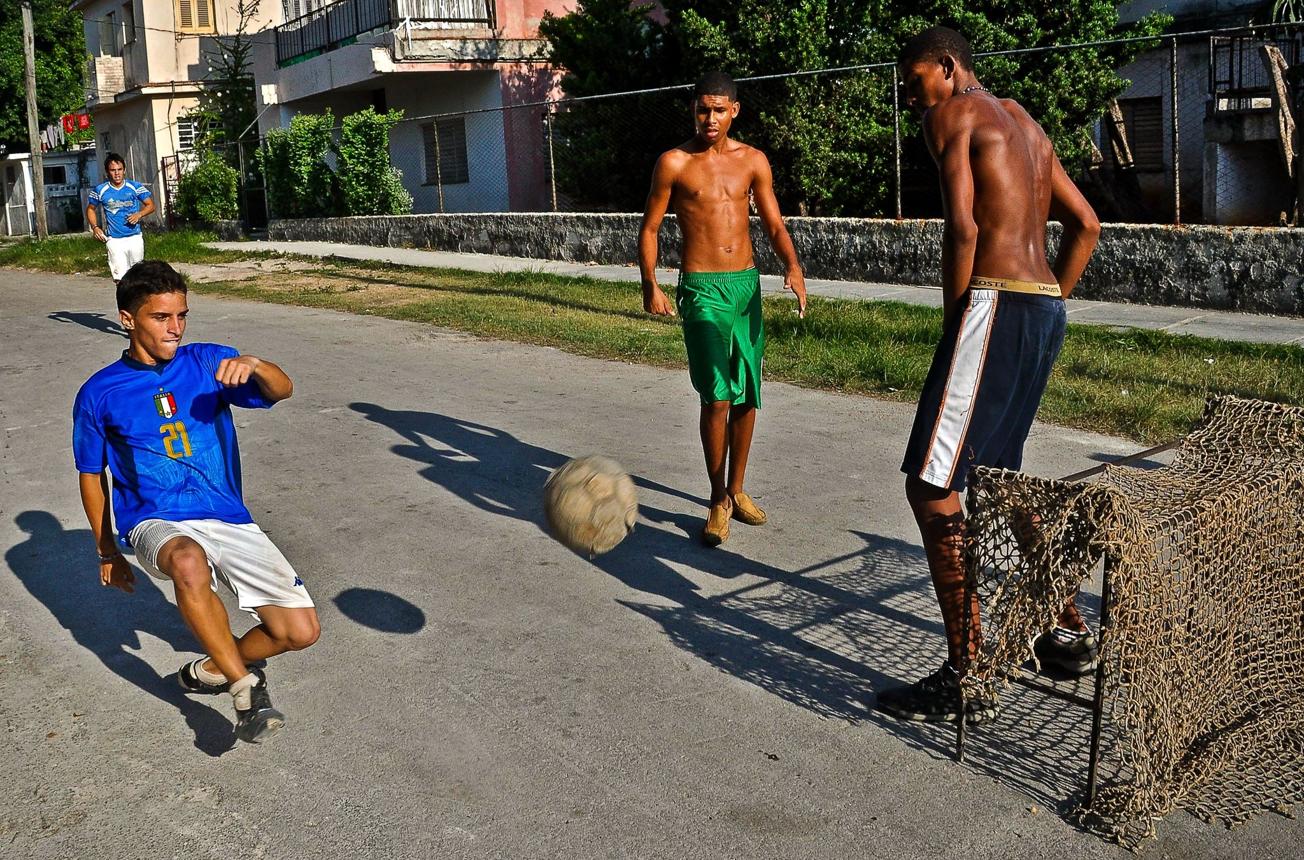
In the densely populated Centro Habana district, fans gathered in cafés and public spaces to watch matches, while children played improvised football games in the streets.
One young supporter, Michael, proudly identified himself as a fan of Lionel Messi as he kicked a bottle cap around with friends.
A Welcome Distraction
Many Cubans described the World Cup as a much-needed escape from an economic crisis marked by shortages of fuel, food and electricity.
Residents continue to endure frequent blackouts, limited public transport and soaring living costs.
One football supporter, Ismael Veranes, said he had spent 20 hours without electricity before walking several kilometres to watch the match at a local café.
Others said the tournament offered a chance to forget daily pressures, even if only for 90 minutes.
“The World Cup allows us to clear our minds for a while,” one Havana resident said.
Unequal Access to the Tournament
Not everyone has been able to enjoy the World Cup equally.
While some bars and cultural centres with cable television are broadcasting every match, many Cubans can only watch the limited selection shown on state television.
In wealthier parts of Havana, fans gathered at venues serving imported drinks and displaying national team flags, while elsewhere residents watched from outside bars because they could not afford entry.
The contrast highlighted the growing economic divide on the island, where a small group earning foreign-currency incomes enjoys a higher standard of living than many ordinary citizens.
Football Amid Crisis
Even among more affluent fans, technical difficulties caused by the country’s infrastructure problems interrupted broadcasts, drawing frustration from supporters.
Read More : Mbappe Suffers Knee Injury
For many Cubans, however, the World Cup remains a valuable source of hope and entertainment during difficult times.
As one young biologist in Havana put it, having something that helps people momentarily forget the burdens of everyday life is “incredible”.
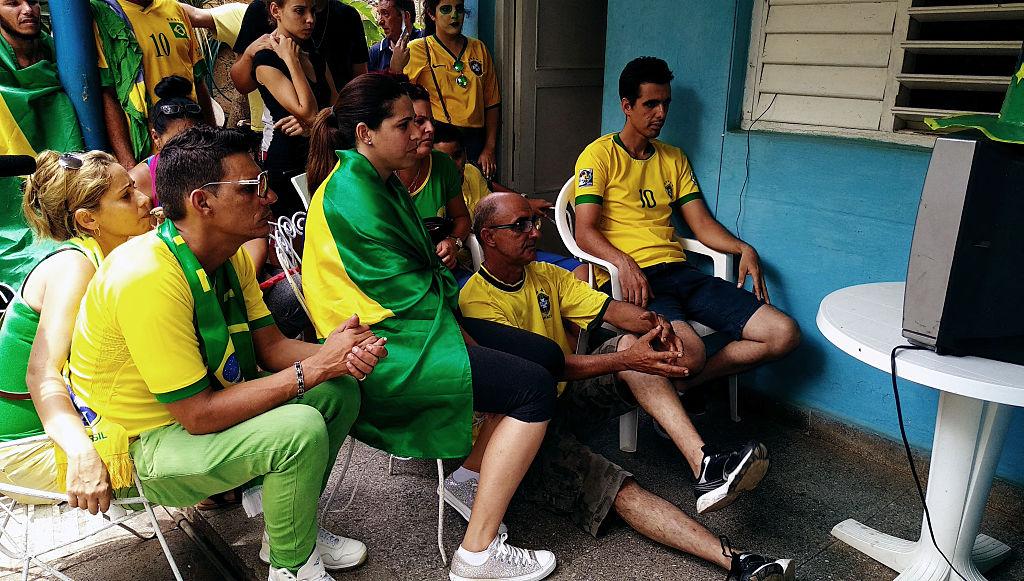
The scenes across Havana illustrate how major sporting events can provide a sense of unity and temporary relief, even in countries facing profound economic and social challenges.