Trending
YouTube announced on Wednesday that it will automatically detect and flag AI-generated content to inform viewers when video clips feature synthetic media.
The Google-owned video platform is shifting away from its previous policy, which relied entirely on creators to self-report their use of artificial intelligence tools during the production process.
“If a creator doesn’t specify whether or not they used AI, but our systems detect significant photorealistic AI use, we will now automatically apply a label,” YouTube stated in a company blog post.
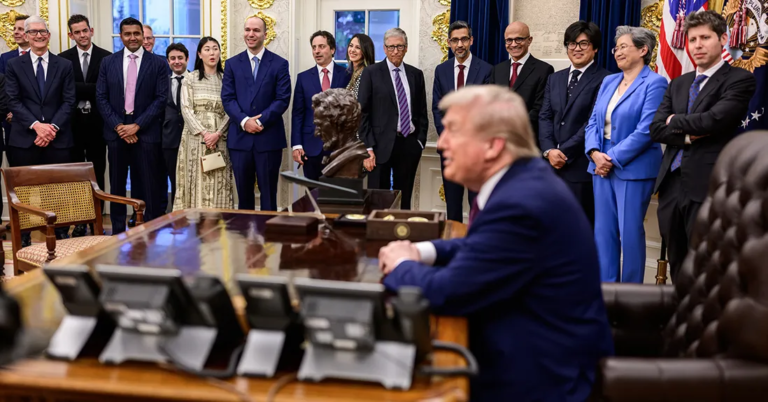
Read More : White House Hosts AI Leaders on Regulation
The shift updates guidelines from 2024 that only requested voluntary disclosures from uploaders.
The policy update addresses a massive surge in hyper-realistic digital media fuelled by highly advanced, widely accessible models like Google’s Veo 3.1 and ByteDance’s Seedance.
To safeguard creator interests, YouTube confirmed that these labels will not hurt video reach, as the tags carry no weight in the platform’s recommendation algorithm.
Additionally, creators can formally appeal any automated labels that they believe unfairly flag their original content.
Adding these algorithmic tags, YouTube joins other large digital platforms such as Spotify in an industry-wide effort to control the deluge of indistinguishable synthetic media online.