Trending
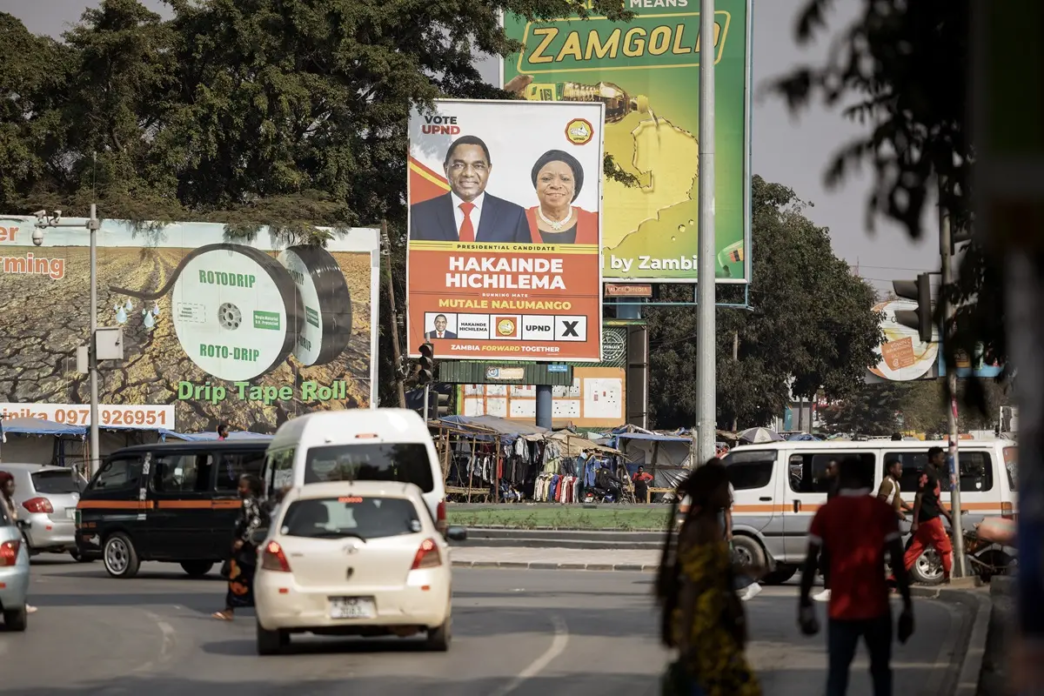
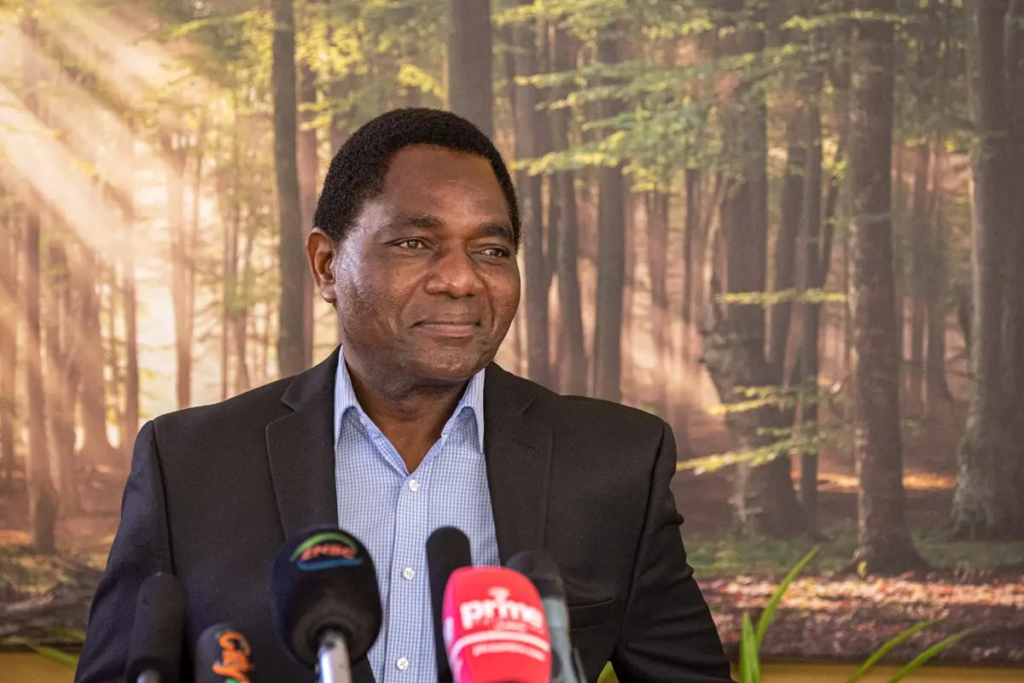
Zambians will vote on Thursday in a closely watched presidential election that will determine whether President Hakainde Hichilema secures a second term or is unseated by a united opposition challenging his economic record.
Hichilema, who won the 2021 election on his sixth attempt, will face Brian Mundubile, a 55-year-old former minister who secured the backing of a coalition of opposition parties.
Up to 8.7 million registered voters will be eligible to cast their ballots.
Read More : Smotrich Calls for Gaza, Lebanon Annexation
The election comes as Zambia emerges from a sovereign default under Hichilema’s leadership.
His administration has secured a debt restructuring agreement and restored an International Monetary Fund programme, winning praise from international lenders. But many voters say the economic benefits have yet to reach ordinary citizens.
“Worldwide there has been recognition that we are doing well but he needs to bring it home,” medical student Semi Malama, 26, told AFP.
More than 70 percent of Zambia’s population lives on less than three dollars a day, according to World Bank data.
Rising food prices, unemployment and persistent poverty remain dominant concerns for voters.
Zambia is Africa’s second-largest copper producer, and the government has set an ambitious target of tripling production by 2031.
Chinese companies dominate the mining sector, underscoring Beijing’s significant economic influence in the country.
Opposition unites against Hichilema
The race had initially appeared a near-certainty for Hichilema until the opposition coalesced behind Mundubile.
Analysts say the contest has narrowed into a two-horse race despite 14 candidates on the ballot.
Mundubile, a former ally of the late President Edgar Lungu, is seeking to “mop up” the support base of Lungu’s Patriotic Front, particularly in the north and east, where the party has historically held sway, political analyst Louw Nel told AFP.
“The opposition alliance is bringing energy to their rallies and appealing to youth, women, and rural voters,” said Joseph Siegle, director of research at the Africa Center for Strategic Studies.
Read More : Russian Strikes Kill Five in Ukraine
But Mundubile’s late entry and his association with the Lungu era could limit his ability to expand beyond that base, Nel said.
Nearly half of registered voters are aged between 18 and 35, making young people a potentially pivotal bloc.
“The election will hinge on whether voters believe continuity offers the best chance of consolidating recent economic reforms, or whether they conclude that change is needed to address immediate economic pressures,” Institute for Security Studies researcher Zenge Simakoloyi told AFP.