Trending
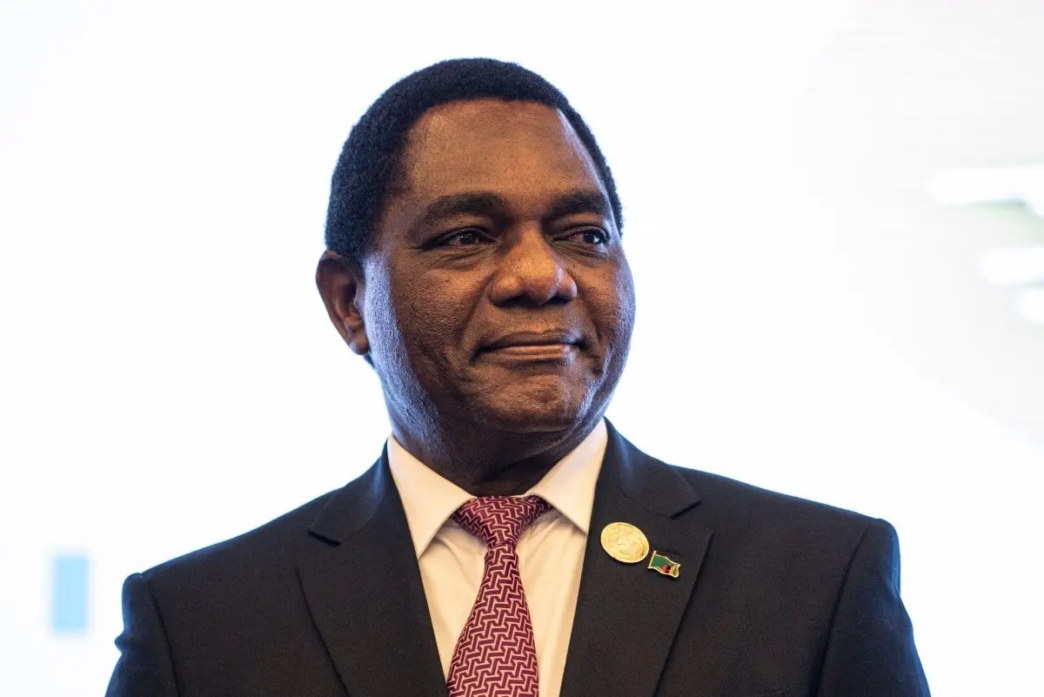
Zambian President Hakainde Hichilema has condemned xenophobic violence in South Africa, calling for an immediate end to attacks against other Africans.
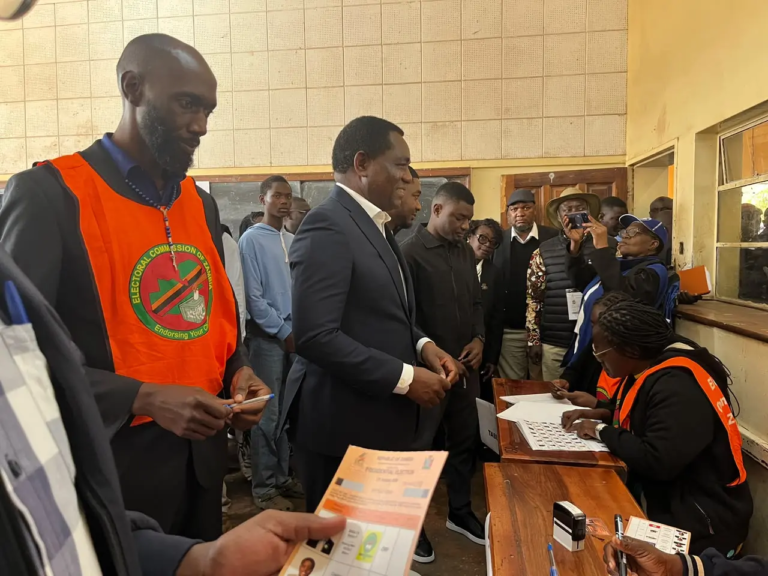
Hichilema, speaking after casting his vote in Zambia’s elections on Thursday, said Zambia and South Africa shared a history of solidarity forged during the struggle against apartheid and should not allow divisions to undermine those ties.
“What’s happening in South Africa is wrong,” Hichilema said.
“It is not correct. What’s happening in South Africa is not correct. That has to stop now.”
He recalled Zambia’s role in supporting South Africa’s anti-apartheid struggle, saying the country had hosted the African National Congress (ANC) and suffered attacks from the apartheid regime as a result.
“Zambia was the headquarters for the ANC. This country had its bridges bombed by the South African apartheid regime,” he said.
“We put our lives on the chopping boards. Some of our military people died. Civilians died. Together with South Africans.”
Hichilema questioned why African countries should distance themselves from one another now that South Africa is free.
“Why should we separate ourselves now? Now that you have the freedom?” he asked.
He said South Africans should remember Zambia’s support during the liberation struggle and urged the country’s leadership to address what he described as a “serious anomaly.”
“If we did not accommodate South Africans here, how would you have been independent? How would you have succeeded in fighting apartheid? You wouldn’t have succeeded,” Hichilema said.
He stressed the need for regional unity and greater economic cooperation across the Southern African Development Community (SADC).
“We’re one family. One genetic material. One bloodline,” he said.
“We need unity. We need to fight poverty by investing together. By doing SADC projects together. And then we can grow our economies and provide opportunities.”
Hichilema also criticised the use of violence to address disputes over jobs and labour, saying economic grievances should be handled through lawful means.
“There are issues of labour, jobs. There’s a way you handle them. You don’t have to kill fellow citizens,” he said.
He contrasted South Africa’s treatment of other African nationals with Zambia’s open-border policy, saying Zambia had removed visa requirements for fellow Africans.
“We have opened. No visas here. You can come. No visas. This is your country,” he said.
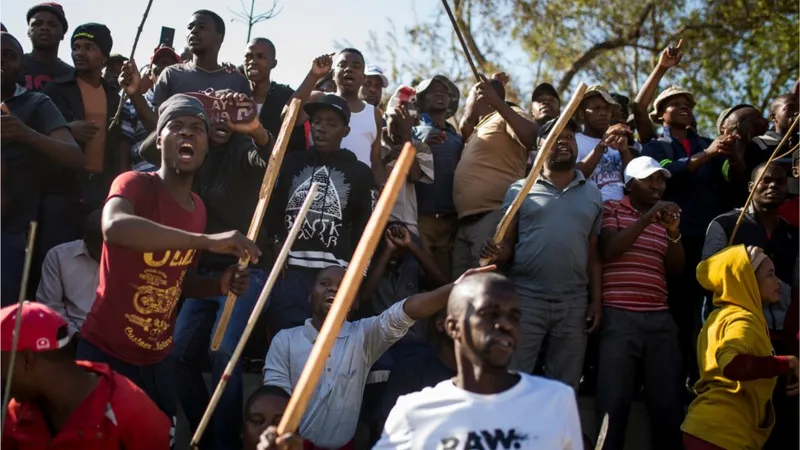
South Africa has faced recurring xenophobic violence against African migrants for decades, driven by tensions over jobs, crime, housing and access to public services.
Major outbreaks occurred in 2008, 2015 and 2019, with migrants attacked, businesses looted and thousands displaced.
The latest wave of anti-immigrant unrest intensified in 2026, with protests and attacks targeting migrants over undocumented immigration and economic pressures.
Thousands of migrants have left South Africa, while several African governments have raised concerns over the safety of their citizens.
The violence has strained South Africa’s relations with other African countries, particularly because many migrants come from neighbouring states that supported South Africa during its struggle against apartheid.