


 Trending


Eleven European countries have pledged to release 42.6 million barrels of oil from their strategic reserves by the end of January 2027 as part of efforts to ease global energy supply concerns.
The commitment follows a Group of Seven (G7) agreement reached this month to release oil reserves amid rising energy prices and concerns over fuel supplies.
The European Union’s Energy Commissioner, Dan Jorgensen, disclosed the plan to journalists on Thursday, saying about half of the planned release would consist of diesel.
Read More : Modi to Sign EU Trade Deal in December
“EU member states have reaffirmed their commitment to an accelerated release of 42.6 million barrels from strategic reserves over the next months, and around half of this will be diesel,” Jorgensen said.
In a joint statement, the 11 countries, including France, Germany and Italy, said they would release the oil by the end of January 2027. The plan includes 20.5 million barrels of diesel.
The other countries participating in the initiative are Belgium, Denmark, Greece, Latvia, Luxembourg, the Netherlands, Portugal and Sweden.
Lithuania has also endorsed the initiative, although it did not sign the joint pledge.
The announcement comes weeks after G7 economies agreed to release 100 million barrels of diesel and crude oil following a threat by United States President Donald Trump to ban diesel exports.
Energy Crisis Raises Supply Concerns
The International Energy Agency, whose membership includes all the participating EU countries, called on its members in mid-October to accelerate the release of oil stocks ahead of winter.
Trump also increased pressure on European countries to release their strategic reserves after the US-Israeli war with Iran sent energy prices soaring.
The rising fuel costs have also become a major domestic political issue for the US President ahead of congressional elections scheduled for next week.
Read More : Four Tankers Hit Mines in Hormuz
Despite the concerns over prices, the European Union said it was taking the impact of the crisis on households seriously but did not anticipate an immediate threat to energy supplies.
“We do not expect the security of supply issue as such. But for the citizens who are struggling to pay the bills, that might not matter,” Jorgensen said.
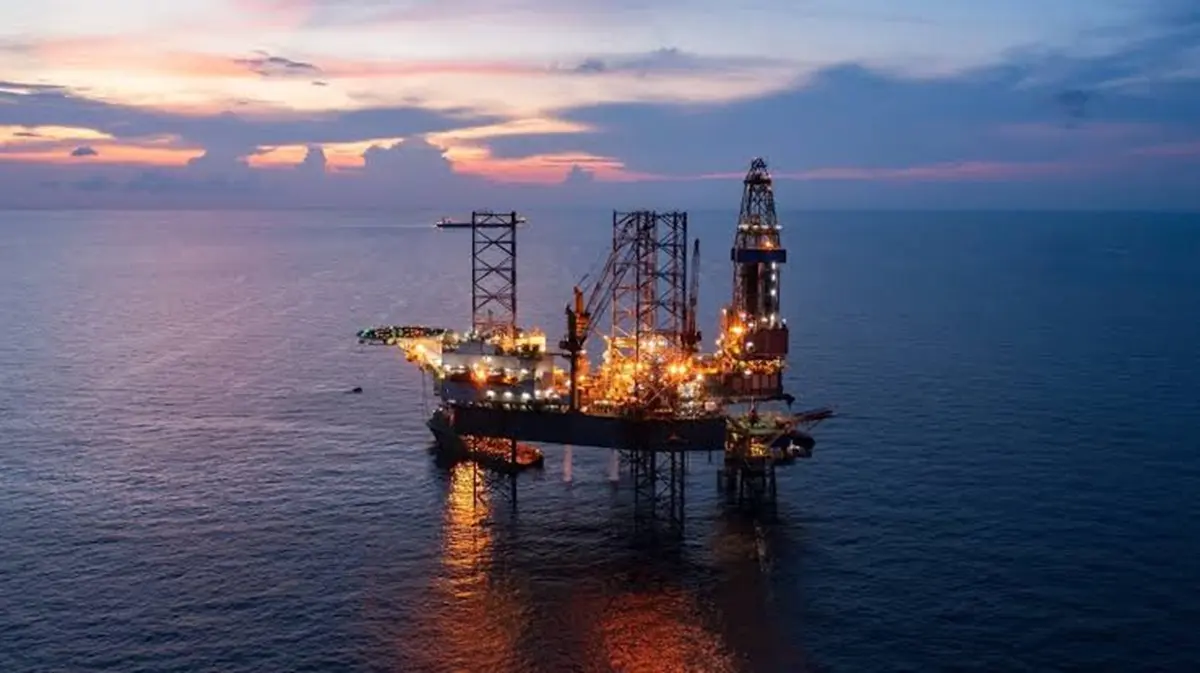
The planned release of strategic reserves is expected to help address supply pressures, although its impact on fuel prices will depend on broader market conditions and developments affecting global energy supplies.