Trending
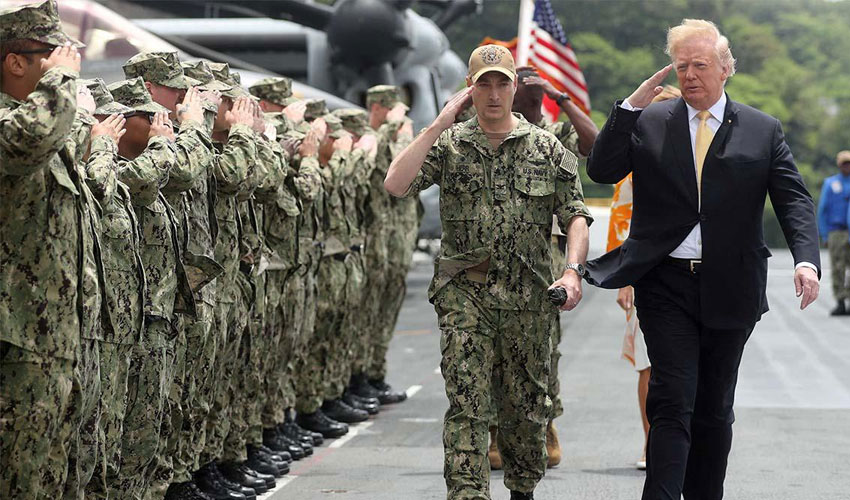
The United States is reportedly considering deploying up to 10,000 additional troops to the Middle East, according to US media reports on Friday. This move comes amid growing speculation that Washington may be preparing for a potential ground operation in Iran, escalating tensions in an already volatile region.
The planned troop surge would significantly increase Washington’s military presence in the Middle East, which has been embroiled in conflict since the US-Israeli airstrikes on Iran on February 28.
Despite President Donald Trump’s assurances that Iran is engaged in peace talks to resolve the war, the US military is looking to provide “more military options” in the region, according to The Wall Street Journal. These additional forces would complement thousands of paratroopers and Marines already stationed in the area, further intensifying the military buildup.
Read More : Bolsonaro Leads Lula Into Brazil Run-Off
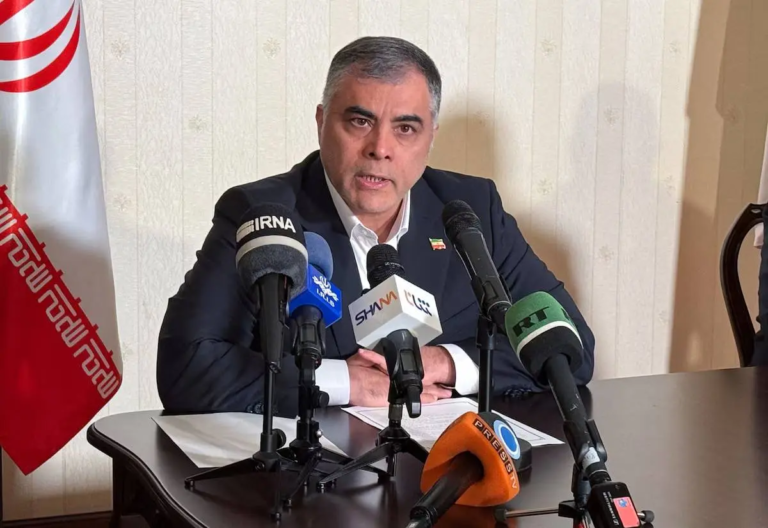
An Iranian official warned that any US ground invasion of Iranian territory would provoke retaliation from Iran’s allied Houthis in Yemen. The rebels could launch attacks on shipping vessels in the Red Sea, thus opening a new front in the ongoing conflict. This would significantly expand the economic, political, and military consequences of the confrontation.
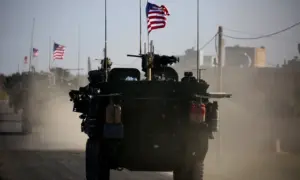
While Trump has consistently said that he does not plan to send ground troops into combat with Iran, it remains unclear where the additional forces would be deployed. However, reports suggest that they could be positioned within striking distance of Iran, possibly near Kharg Island, a vital oil export hub located off Iran’s coast.
Trump, meanwhile, has pushed back his deadline for military strikes on Iran’s energy infrastructure, claiming that negotiations are progressing well.
On the ground in the region, Israel’s military confirmed that it conducted a “wide-scale wave of strikes” targeting Iranian infrastructure in Tehran, further deepening the conflict’s complex and dangerous nature.
This escalation comes at a time when tensions in the region are already at a boiling point, with no clear resolution in sight. The added military presence and Iran’s threats of retaliation promise to keep the situation precarious, with the possibility of broader regional instability hanging in the balance.