Trending
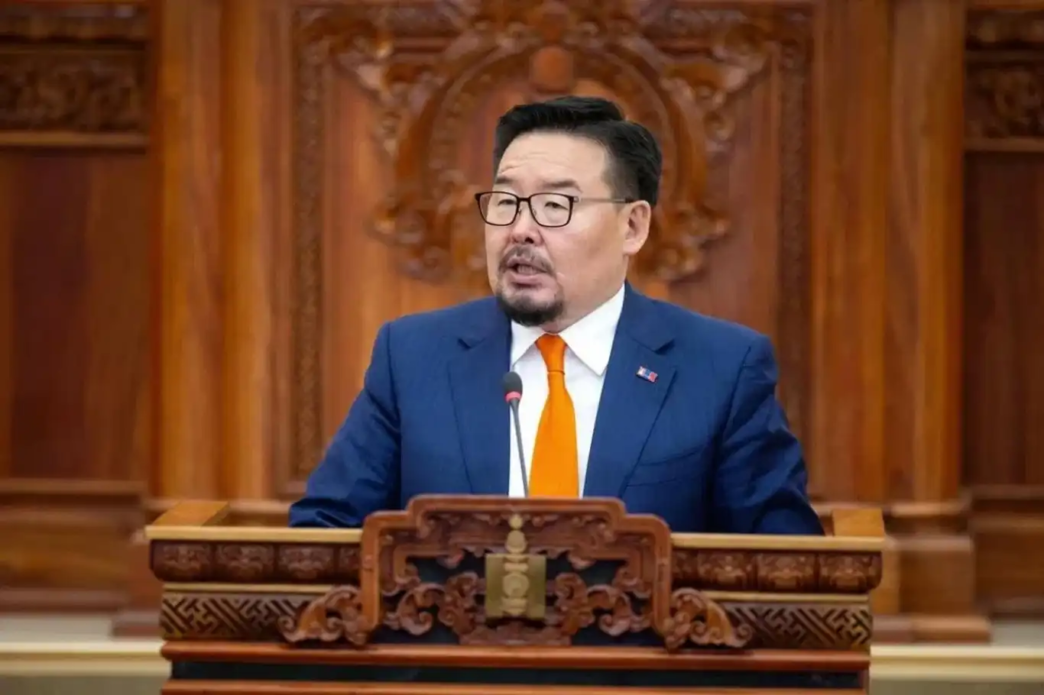
Mongolian Prime Minister Gombojav Zandanshatar resigned on Friday, citing the need for political stability amid global geopolitical tension.
Zandanshatar, who led the cabinet for approximately nine months, stated that he stepped down voluntarily to prevent further legislative delays caused by months of political infighting.
His departure comes at a critical time as rising global oil prices and conflict-driven inflation threaten the nation’s economy.
Read More : Trump Blames Immigration For France Protests
The resignation follows a period of intense atmospheric pressure within the Mongolian parliament, including a persistent boycott by the opposition Democratic Party.
Opposition lawmakers have refused to attend sessions since mid-March in protest against Parliament Speaker Uchral Nyam-Osor, the man now expected to succeed Zandanshatar.
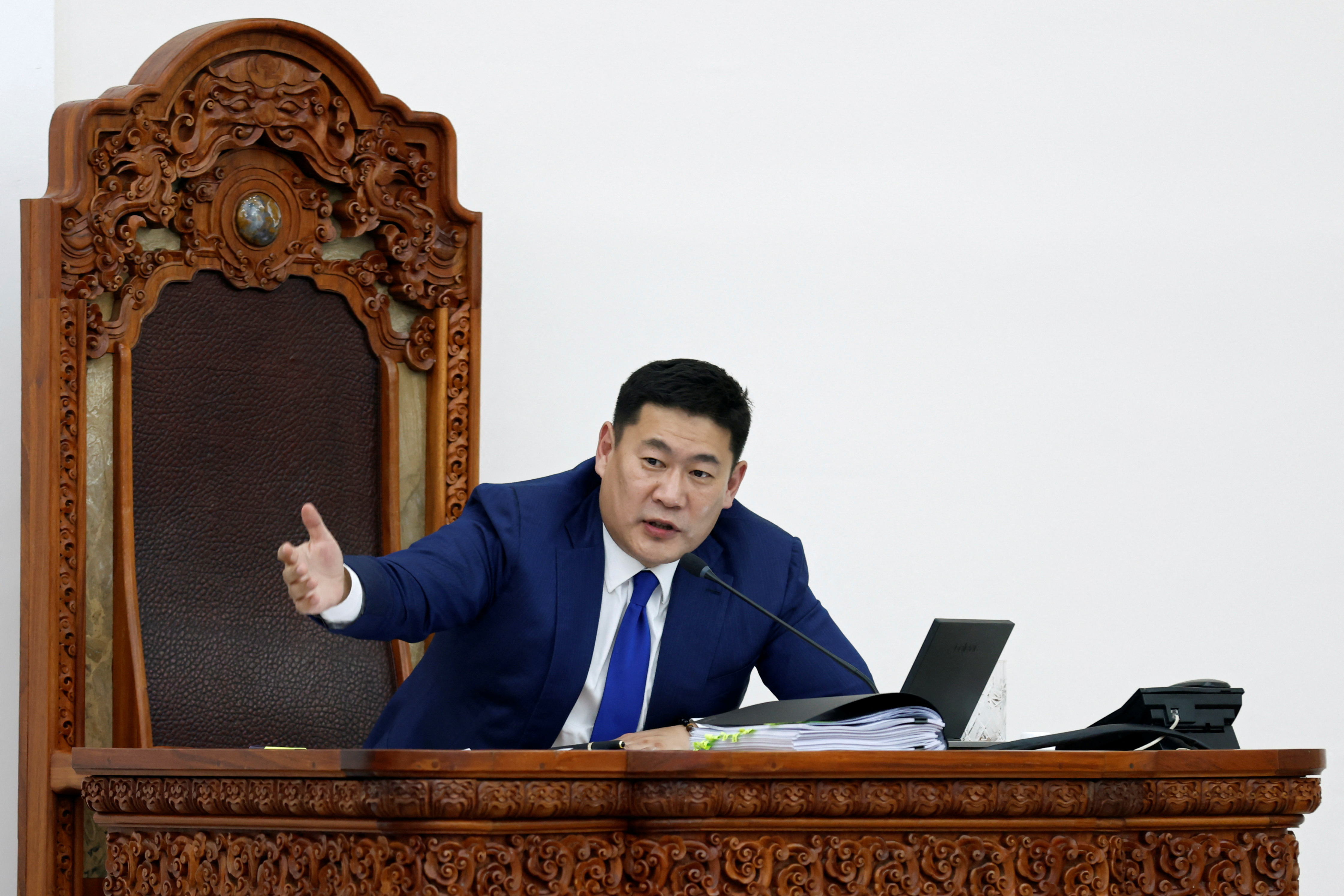
Critics have alleged corruption and argued against a ruling party leader simultaneously presiding over the legislature, a deadlock that has severely hampered government proceedings.
Read More : Pope Makes First Public Appearance After Surgery
The ruling Mongolian People’s Party (MPP) now faces the challenge of unifying its rival internal factions, which are largely split between supporters of the current president and the former prime minister.
Under Mongolian law, the parliament has 30 days to appoint a successor.
While the MPP is expected to nominate a new leader at an upcoming party congress, the transition period remains a test for the country’s democratic resilience amidst ongoing domestic and international challenges.