Trending

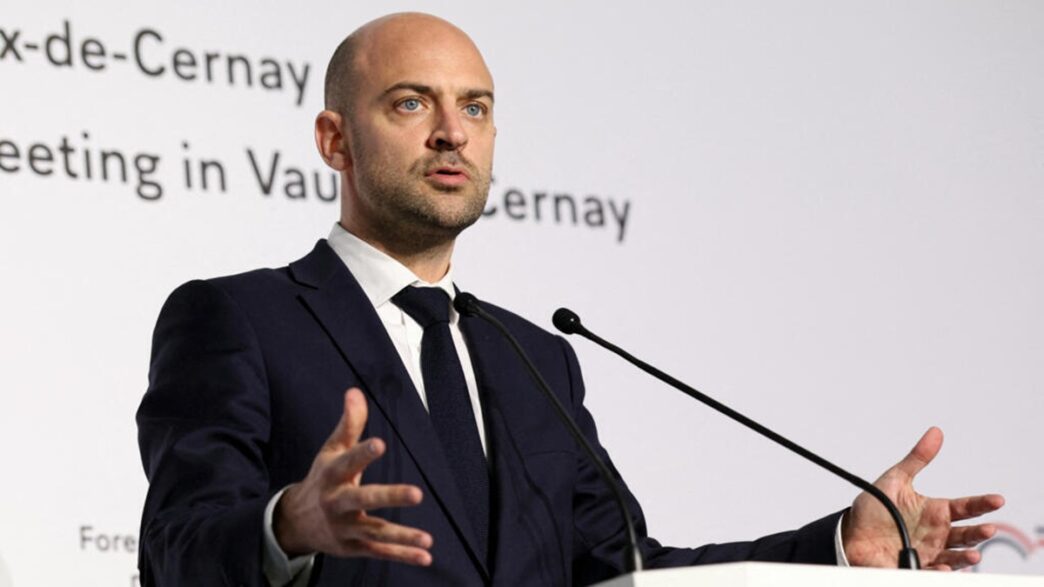
Foreign ministers of the Group of Seven (G7) nations have called for an immediate end to attacks targeting civilians in the ongoing Middle East conflict, while also urging Iran to restore freedom of navigation in the Strait of Hormuz.
In a joint statement issued after their meeting in France, the ministers, representing major industrialised economies including the United States, demanded an “immediate cessation of attacks against civilians and civilian infrastructure.”
They further stressed that the deliberate targeting of civilians in armed conflict, as well as strikes on diplomatic missions, could not be justified under any circumstances.
“There can be no justification for the deliberate targeting of civilians in situations of armed conflict as well as attacks on diplomatic facilities.”
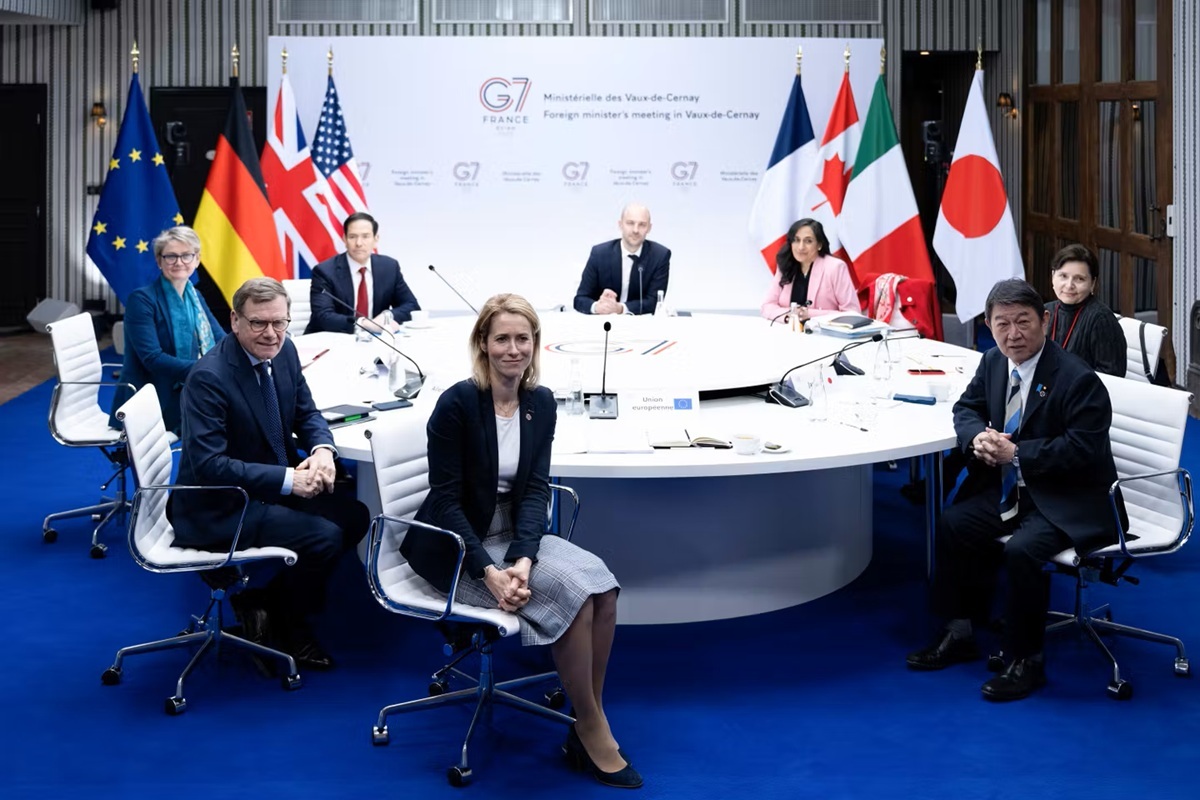
The statement came after discussions among the G7 foreign ministers, held outside Paris, as rising tensions linked to the US-Israeli conflict with Iran continued.
The issuance of a unified communique had not been initially anticipated, a development seen by observers as a possible indication of differing views within the alliance.
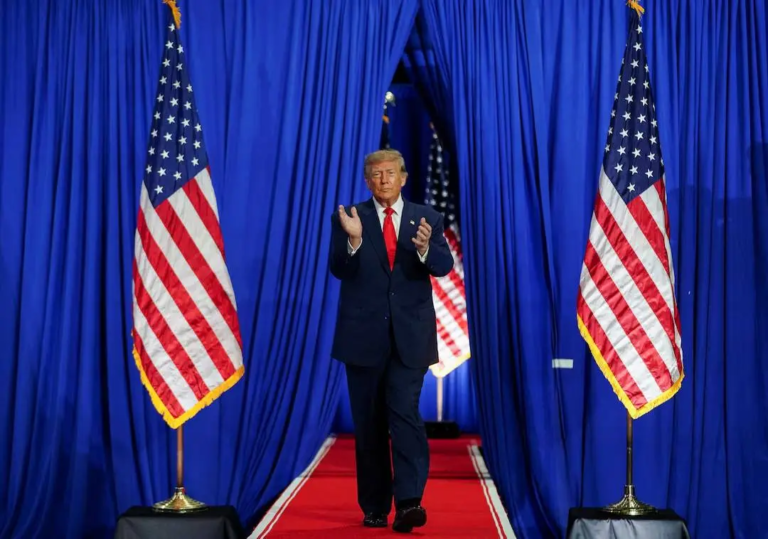
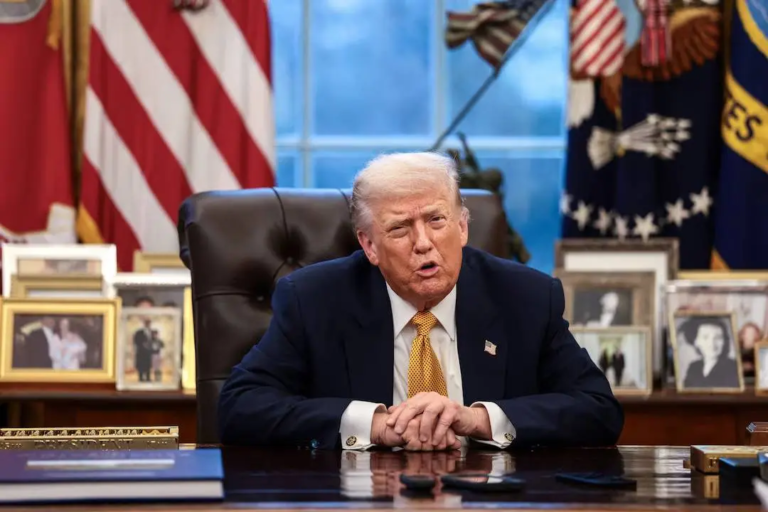
US President Donald Trump had earlier threatened action against Iranian energy facilities but later softened his stance, suggesting more time for diplomatic engagement with Tehran.
A key focus of the talks was the situation in the Strait of Hormuz, a critical global shipping route that is increasingly affected by regional tensions and contributing to rising energy prices worldwide.
The ministers reiterated their urgent need to ensure safe and uninterrupted navigation through the waterway, warning of the broader economic consequences of ongoing disruptions.
They also discussed broader efforts to cushion global economies from shocks affecting energy, fertiliser, and supply chains, noting that such disruptions have direct impacts on citizens in their respective countries.