Trending
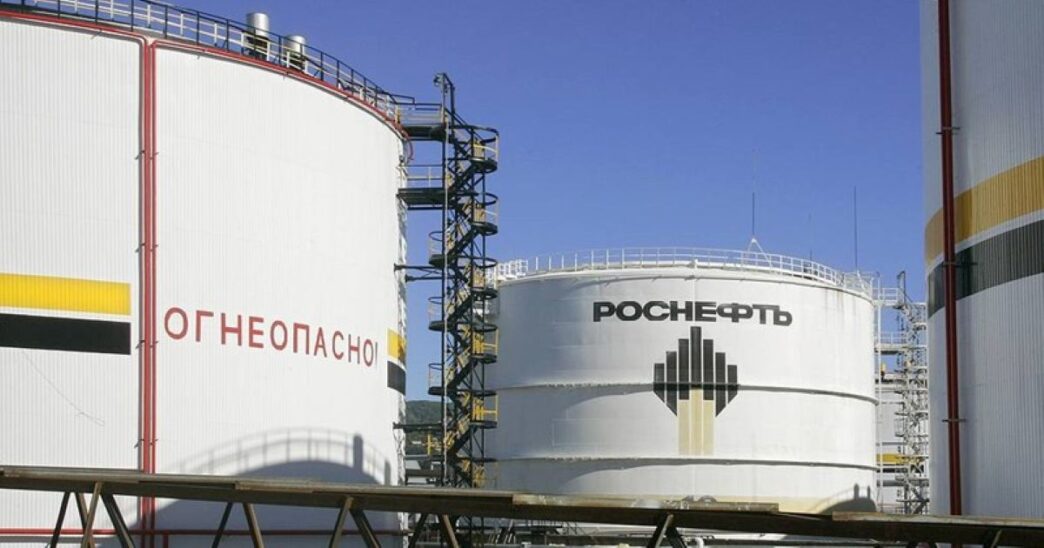
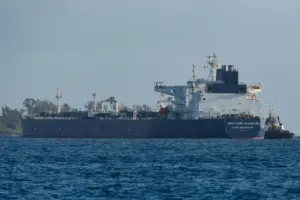
The US has issued a fresh one-month sanctions waiver permitting the continued sale of Russian oil and petroleum products already at sea, in a move likely to intensify debate over Washington’s balancing act between energy stability and pressure on Moscow.
The licence, announced by the US Treasury Department on Friday, allows the purchase of Russian oil cargoes loaded onto vessels as of that date through 12:01 a.m. on May 16. The decision extends an earlier waiver that expired on April 11 and temporarily eases restrictions on Russia’s oil revenues.
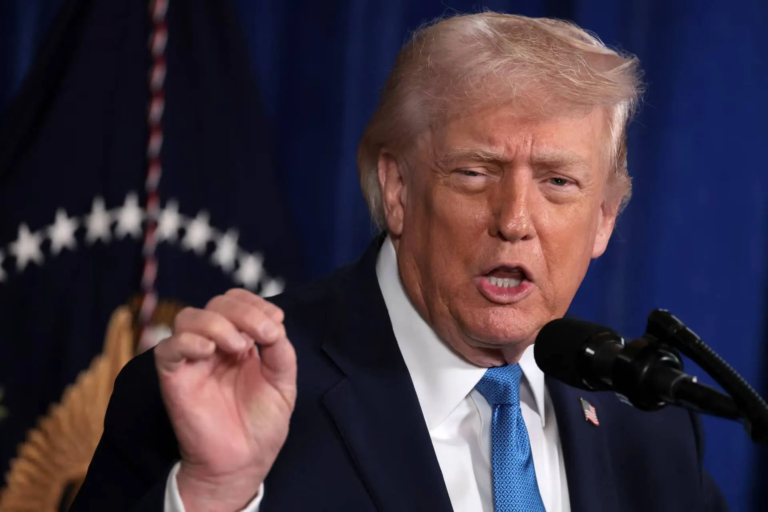
The announcement came just two days after Treasury Secretary Scott Bessent had publicly stated that Washington would not renew the exemption for Russian or Iranian oil. The sudden reversal has raised questions over policy consistency inside the Trump administration.
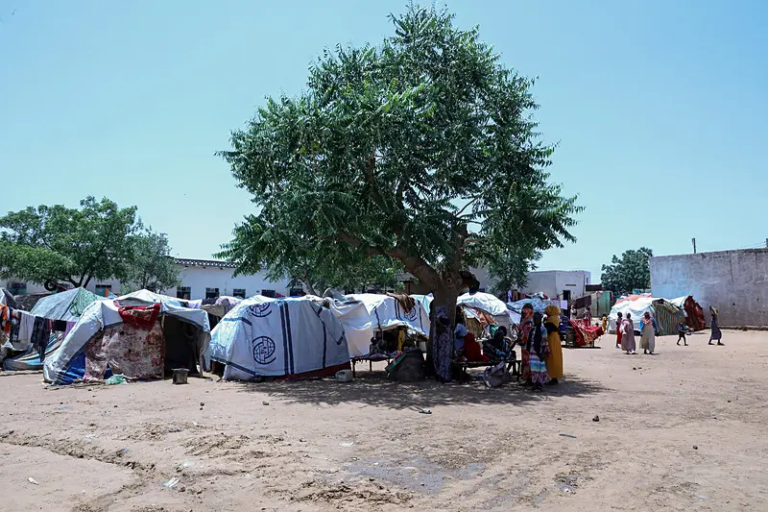
Read More : Mauritania Students Protest Transport Fare Hike
The waiver appears linked to concerns over global energy supply disruptions following the recent US-Israeli war against Iran. Tehran responded by effectively shutting the Strait of Hormuz, a critical route for global oil shipments. The closure sent crude prices sharply higher and increased pressure on countries dependent on Middle Eastern energy exports.
In the United States, rising petrol prices have added strain on households ahead of this year’s midterm elections, creating political pressure for the White House to act quickly.
However, critics argue that the waiver undermines broader Western efforts to cut off revenue streams funding Russia’s war in Ukraine.
Senate Democrats Jeanne Shaheen, Chuck Schumer and Elizabeth Warren condemned the move, calling it “shameful” and “a 180-degree reversal” from Bessent’s earlier remarks.
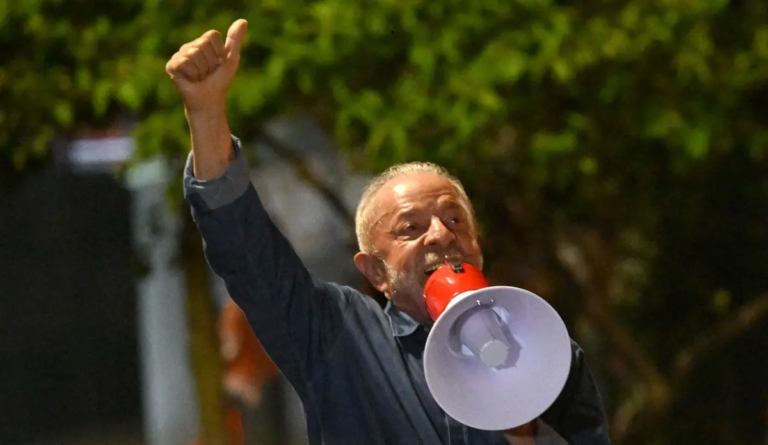
Read More : Brazil’s Lula Turns 81, Vows 24-Hour Workday
“Make no mistake, Putin has been one of the biggest beneficiaries of President Trump’s war against Iran,” they said, claiming Russia’s oil revenues nearly doubled in March.
French Finance Minister Roland Lescure also warned after a G7 finance meeting that “Russia mustn’t be getting benefits from what’s happening in Iran,” adding that Ukraine should not become “collateral damage.”
Russia’s full-scale invasion of Ukraine, launched in 2022, remains Europe’s deadliest conflict since the Second World War.