Trending
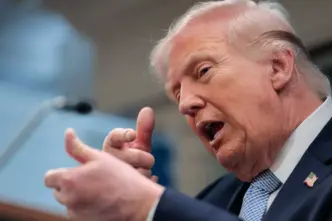
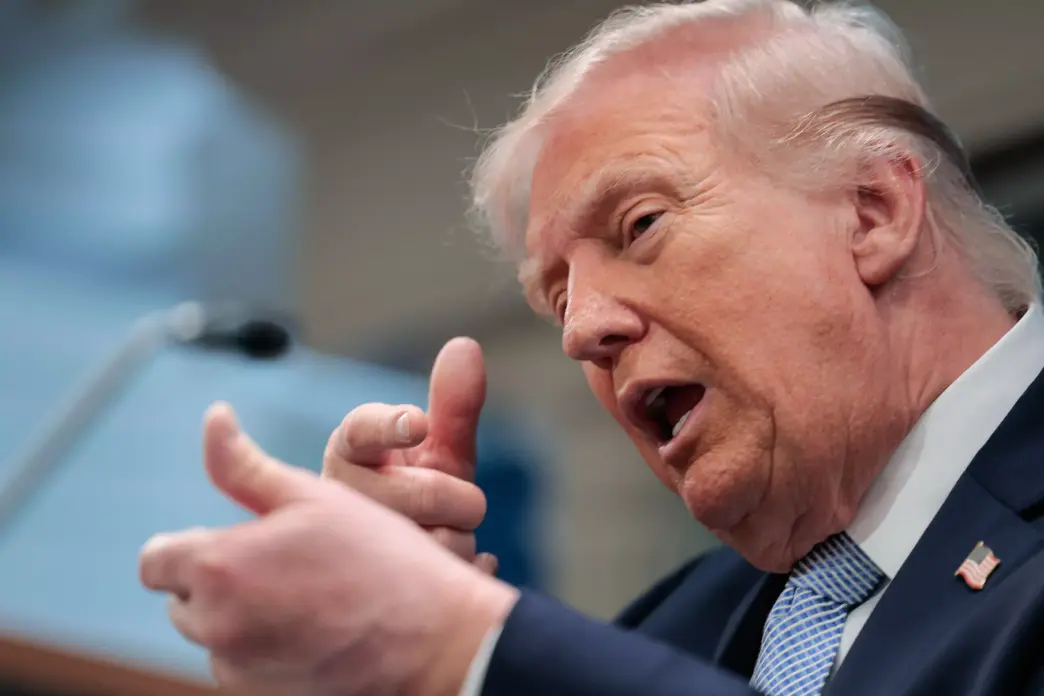
US President Donald Trump has said he will review a newly submitted Iranian peace proposal but has signalled scepticism about its viability, after a senior Iranian military officer warned that renewed conflict remains a possibility.
The proposal, reportedly a 14-point framework submitted by Tehran to Pakistan as a mediator, outlines plans to end hostilities across multiple fronts and introduce a new governance structure for the strategically vital Strait of Hormuz.
Iranian state-affiliated outlets, including Tasnim News Agency and Fars News Agency, say the proposal aims to stabilise global trade routes and de-escalate tensions.
Read More : Washington Tightens Iran Economic Squeeze
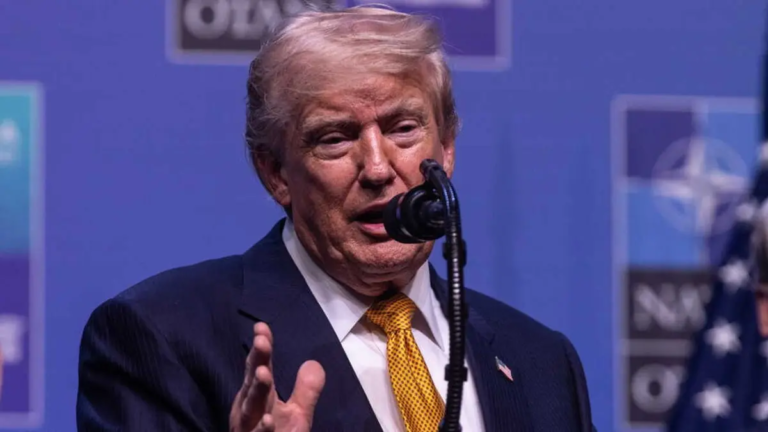
Trump, however, has cast doubt on its acceptability. Writing on his Truth Social platform, he said, “I will soon be reviewing the plan that Iran has just sent to us, but can’t imagine that it would be acceptable in that they have not yet paid a big enough price for what they have done to Humanity, and the World, over the last 47 years.”
Speaking briefly to reporters in Florida, Trump declined to outline specific conditions that could trigger further military action but acknowledged the risk.
“If they misbehave, if they do something bad, but right now, we’ll see… it’s a possibility that could happen, certainly,” he said.
The war, initiated by the United States and Israel in late February, has been paused since April 8 following an initial round of talks in Pakistan that failed to produce a breakthrough. Despite the ceasefire, rhetoric on both sides has hardened.
Read More : UNGA: Lavrov Offers Help in Gulf, Slams Europe
Senior Iranian military official Mohammad Jafar Asadi warned that “a renewed conflict between Iran and the United States is likely,” accusing Washington of failing to honour past commitments. Similarly, Deputy Foreign Minister Kazem Gharibabadi told diplomats that “the ball is in the United States’ court,” adding that Iran is “prepared for both paths”, diplomacy or confrontation.
Meanwhile, Iran’s mission to the United Nations accused Washington of “hypocritical behaviour”, pointing to the scale of the US nuclear arsenal while defending its own uranium enrichment under International Atomic Energy Agency oversight.
Meanwhile, the economic and geopolitical stakes remain high. Iran’s control over the Strait of Hormuz has disrupted global energy flows, pushing oil prices roughly 50 per cent above pre-war levels. Domestically, inflation in Iran has surged past 50 per cent, placing increasing strain on households.