Trending
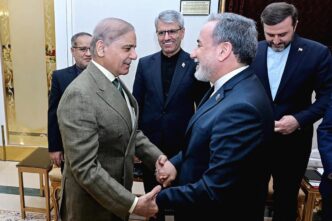
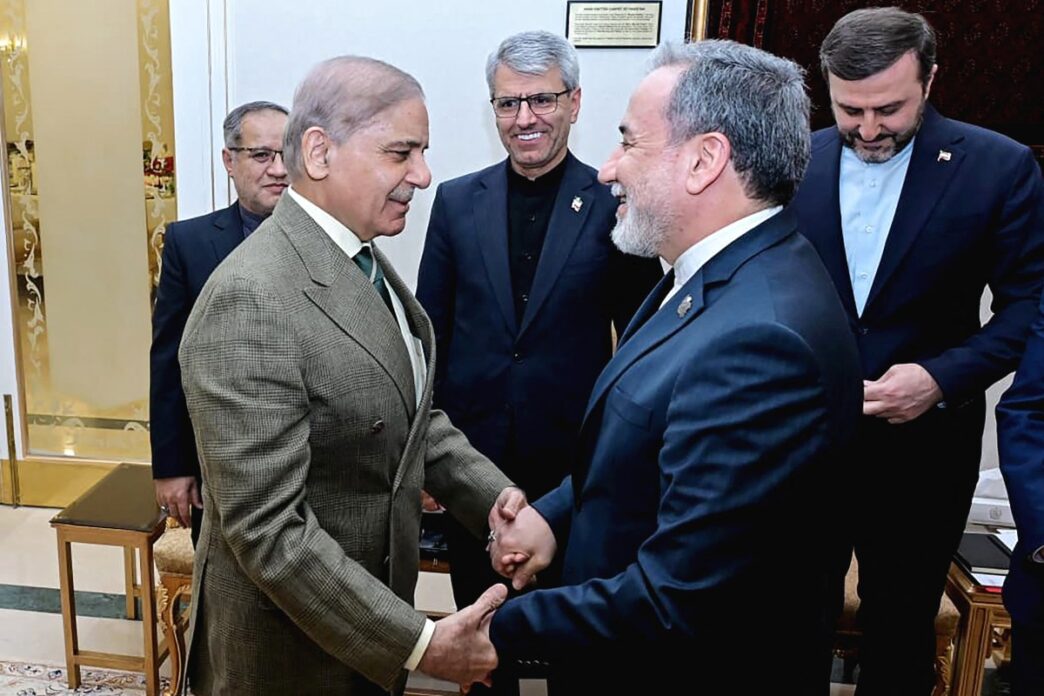
Iran has presented a new proposal for peace talks with the United States through Pakistan, marking the latest attempt at diplomacy despite ongoing tensions and a stalled ceasefire.
The proposal, delivered to Islamabad on Thursday evening, is seen as Iran’s effort to break the diplomatic deadlock.
Although the war, launched by the U.S. and Israel on February 28, has been on hold since April 8, only one round of failed direct talks between U.S. and Iranian representatives has taken place.
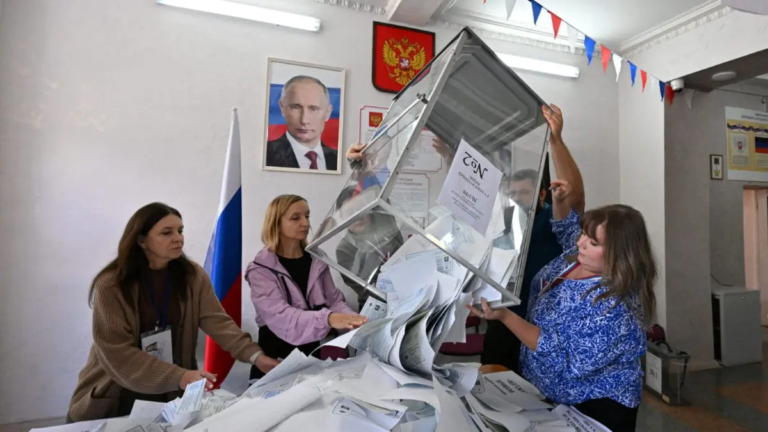
Read More : Putin’s Party Wins Duma Supermajority
Iran has maintained control over the strategic Strait of Hormuz, disrupting global oil, gas, and fertiliser supplies, while the US imposed a counterblockade on Iranian ports.
According to reports from The Wall Street Journal, U.S. President Donald Trump had told his security officials to prepare for the blockade to last for months, leading to a sharp increase in oil prices.
Despite the failure to reach an agreement, the ceasefire remains intact.
Gholamhossein Mohseni Ejei, Iran’s judiciary chief, emphasised the country’s willingness to negotiate, saying, “the Islamic Republic has never shied away from negotiations.” However, he also added, “We certainly do not accept imposition,” signalling that reaching a compromise could be challenging.
Although the ceasefire has held, global markets remain uneasy, with oil prices more than 50% higher than before the conflict began. Traders are still grappling with the prolonged closure of Hormuz, which continues to put pressure on global inflation. The European Central Bank, meanwhile, has maintained its interest rates, wary of further inflationary impacts.
On the US side, legal debates are intensifying over whether President Trump missed a deadline for seeking Congressional approval for the war, as required by the War Powers Resolution. Despite this, U.S. defence officials maintain that the ceasefire has temporarily paused the 60-day deadline for war powers authorisation.
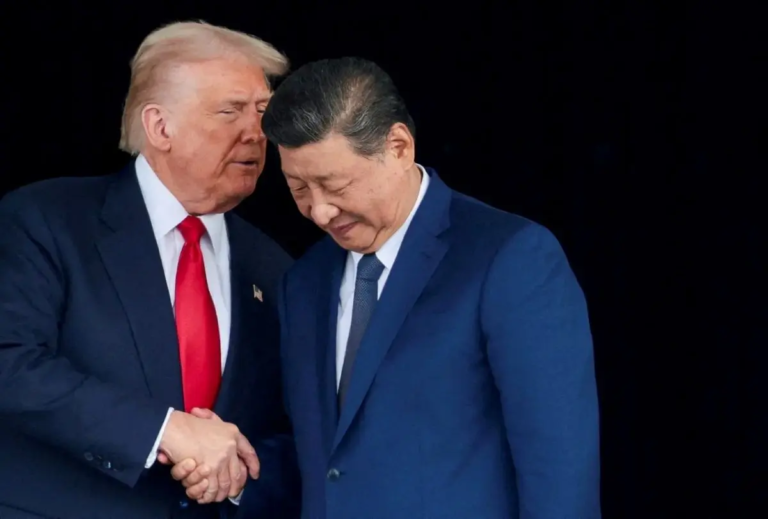
Read More : Xi, Trump Prepare For High-Stakes Talks
Meanwhile, in Iran, the war’s economic toll is becoming increasingly evident. With inflation hitting 53.7%, the impact of the conflict, compounded by years of international sanctions, is being felt by ordinary citizens.
On the international stage, while France and Britain are working together to reopen the Strait of Hormuz, the US has launched its own initiative, the “Maritime Freedom Construct,” to restore shipping routes.
French Foreign Minister Jean-Noel Barrot clarified that the US mission would complement, rather than compete with, the European efforts. However, as diplomatic efforts continue, the prospect of a lasting peace remains uncertain, with both sides entrenched in their positions.