Trending
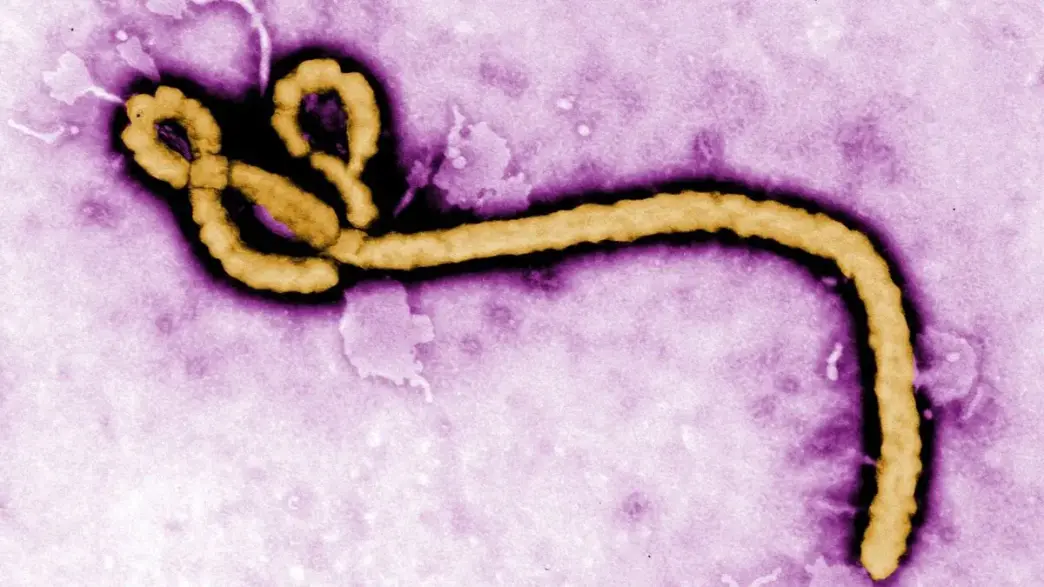
The recent Ebola outbreak in the Democratic Republic of the Congo and Uganda has placed global health authorities on high alert, rekindling fears of cross-border movement and exposing major loopholes in outbreak preparations across the region.
The World Health Organisation (WHO) has declared the Ebola outbreak a global health emergency of concern after confirmed cases and suspected deaths linked to the Bundibugyo strain of the Ebola virus, which were reported in both countries.
Unlike previous Ebola outbreaks, where vaccines and treatments were available, the WHO said the current Bundibugyo variant poses a new challenge because there are no approved vaccines or therapeutics specifically designed for the virus.
Why Is The Situation Worrisome?
Eastern Congo, especially areas around Goma, remains politically unstable due to armed conflict involving rebel groups. Years of insecurity in the country have weakened healthcare systems, displaced millions of people, and made disease monitoring extremely difficult.
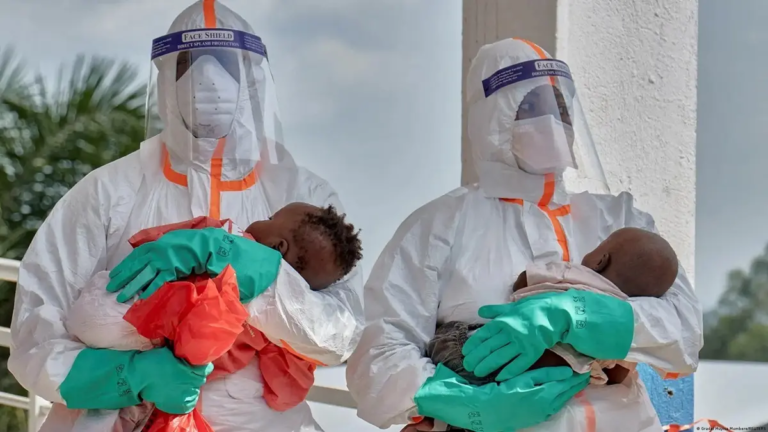
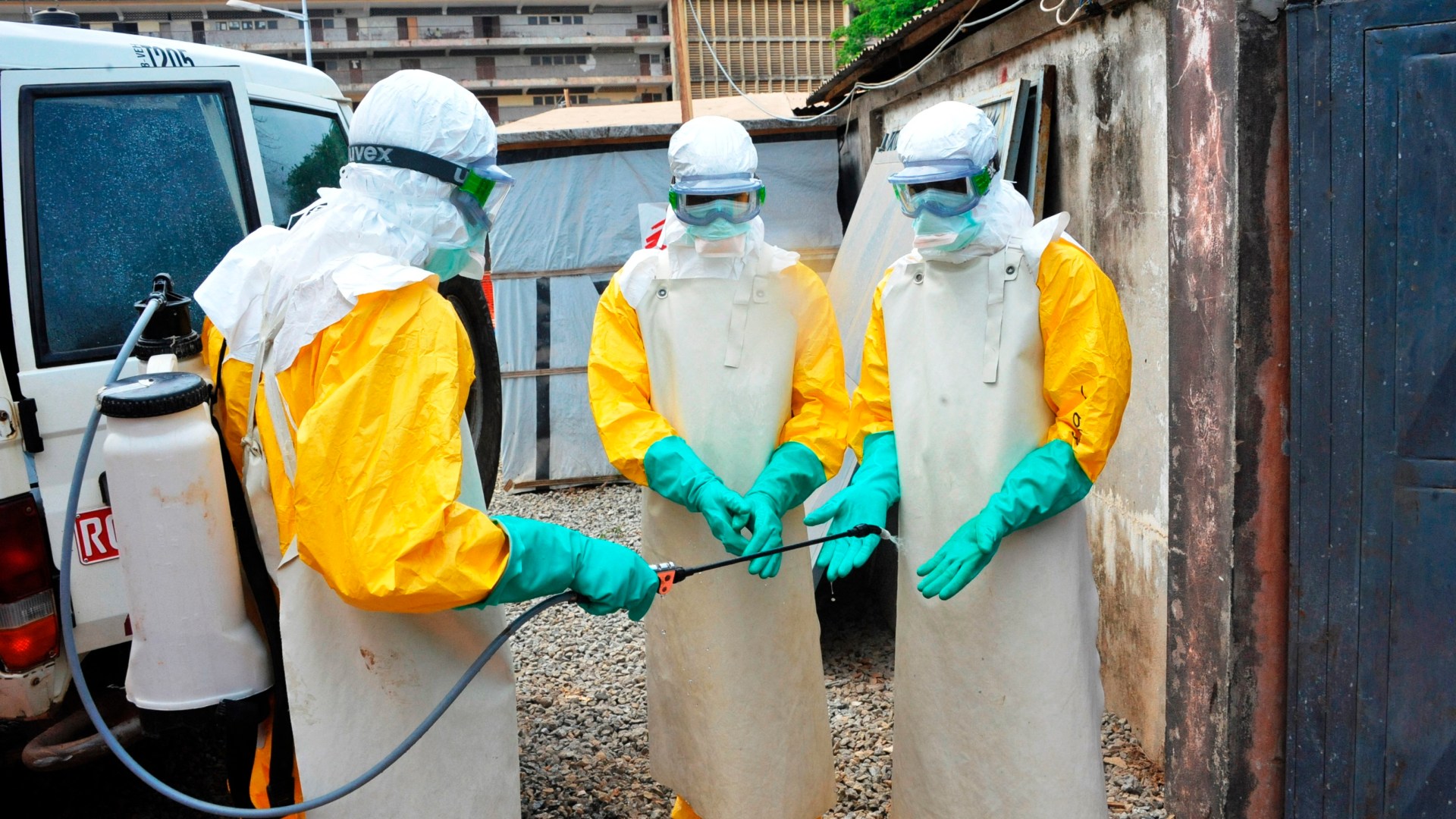
With these challenges in view, health workers are trying to contain the virus in regions where hospitals are already crowded, overstretched, and have limited access to medical care or facilities within many communities.
Economic And Social Impact
Beyond the health risks, Ebola outbreaks leave deep economic scars in a country. Border restrictions, travel fears, reduced trade, and pressure on healthcare facilities and systems can severely affect already struggling economies.
Also, businesses, schools, and markets in affected communities may experience disruptions if infections rise further. While families bear the emotional and financial burdens, hospitals become crowded, and healthcare costs increase.
For many communities in eastern Congo and parts of Uganda, the outbreak comes at a time when people are still recovering from years of conflict, displacement, food insecurity, and economic hardship.
Can Africa Contain Another Ebola Outbreak?
Read More : UCH Resident Doctors Suspend Warning Strike
The Africa Centres for Disease Control and Prevention (Africa CDC) say that lessons learned from previous Ebola outbreaks and the COVID-19 pandemic could help improve response efforts. Rapid testing, contact tracing, border monitoring, and regional cooperation are already being intensified. Congo and Uganda have increased surveillance to prevent wider spread.
Furthermore, the WHO warn that containing the outbreak will require urgent international support, especially because the Bundibugyo strain lacks approved vaccines and treatments. The outbreak also serves as another reminder that infectious diseases remain a global threat in an increasingly connected world.
While the health organisation insists the situation does not currently qualify as a pandemic, the coming weeks or months will likely determine whether the outbreak can be contained quickly or it evolves into a larger regional crisis.