Trending
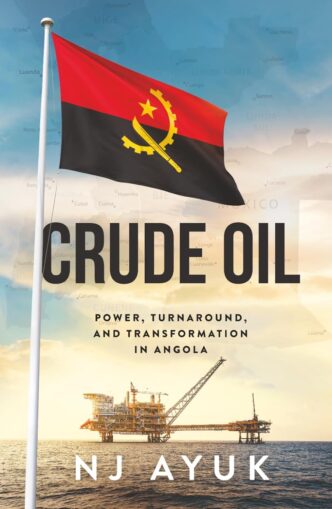
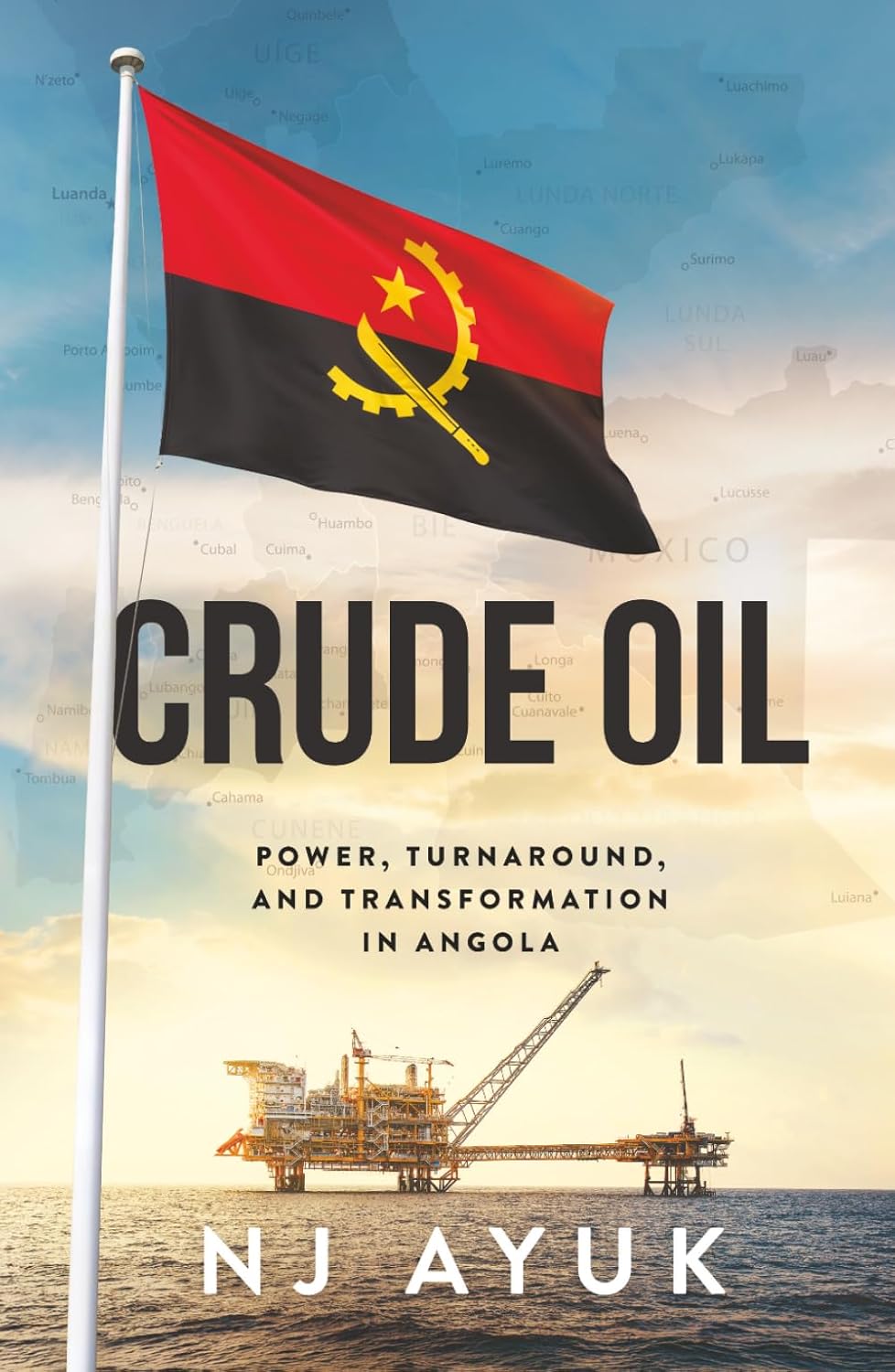
NJ Ayuk’s Crude Oil shows why African petroleum reform must create companies, skills and capacity – not only contracts.
One of the most important Nigeria-relevant ideas in NJ Ayuk’s Crude Oil: Power, Turnaround and Transformation in Angola is the argument that oil reform must produce domestic capacity.
This is where the local-content conversation becomes more than a policy slogan.
Read More : DSS Arraigns Five Over Corps Members Abduction
Across Africa, local content has become one of the most visible ways governments try to ensure that resource development benefits their citizens. It is meant to increase indigenous participation, create jobs, transfer skills, grow local suppliers, deepen technical capacity and prevent the petroleum sector from operating as an enclave economy disconnected from national development.
Nigeria has been one of Africa’s most important local-content examples. Through the Nigerian Content Development and Monitoring Board, the country has pushed domestic participation in engineering, fabrication, marine logistics, oilfield services, procurement, project management and upstream operations. Indigenous oil companies have grown in relevance. Nigerian service companies have become more visible. Domestic capacity has improved in several parts of the value chain.
But the central question remains unresolved: is local content producing globally competitive companies or simply creating protected access to contracts?
That is the deeper relevance of Ayuk’s Angola story.
Beyond participation
Local content often begins with participation. Governments want more citizens, local firms and domestic suppliers involved in the petroleum industry. That is legitimate. Without deliberate policy, oil and gas projects can become dominated by foreign capital, foreign contractors and imported technical capacity.
But participation is only the first stage.
The real objective should be competitiveness. Local companies must not only win contracts because rules require operators to use them. They must build the technical, financial and managerial capacity to compete, execute complex projects, meet safety standards, deliver on time and eventually expand beyond national borders.
This distinction matters for Nigeria.
Nigeria has made progress in indigenous participation, but the next phase must focus on depth. Local content must move from compliance to capability. It must produce companies that can finance projects, manage technology, retain skilled workers, build assets, partner credibly with international operators and export services into other African markets.
If local content does not build capacity, it becomes a quota system. If it builds capacity, it becomes industrial policy.

The Angola connection
Ayuk’s book presents Angola’s reform journey as a story of rebuilding credibility, attracting investment and expanding domestic participation. In that frame, indigenous capacity is not a side issue. It is central to whether petroleum reform can translate into national development.
This is highly relevant to Nigeria because the country is also trying to move from reform architecture to execution. The Petroleum Industry Act created new institutions and commercial expectations. NNPC Limited is expected to operate with greater discipline. Regulators are expected to provide clarity. Host communities are expected to benefit more directly from oil operations. Investors are expected to return. Production is expected to rise.
But none of this will deliver broad development if Nigerian companies remain marginal in the most valuable parts of the chain.
Local content must therefore be judged by outcomes: how many Nigerian firms are gaining technical depth? How much fabrication is happening locally? How many engineers, welders, geoscientists, marine specialists, project managers and digital technicians are being trained? How many indigenous firms can access affordable capital? How many can execute at scale? How many are becoming regional players?
These questions are more important than counting contract awards alone.
Financing is the missing link
One of the biggest constraints facing indigenous oil and gas companies is finance.
Oil and gas projects are capital intensive. Equipment is expensive. Working capital requirements are heavy. Payment cycles can be long. Dollar exposure creates additional pressure. Local banks may be cautious. International lenders often demand strong balance sheets and proven execution records.
This creates a difficult cycle. Local companies are expected to compete, but many lack the financing required to build the capacity that would make them competitive.
Nigeria must address this if local content is to become a scale agenda. Development finance, supplier-credit structures, local-content funds, project guarantees, equipment leasing, joint ventures and stronger balance-sheet support will matter. Training alone is not enough. Policy alone is not enough. Indigenous firms need capital that matches the nature of the sector.
Without finance, local content becomes aspiration.
Skills, technology and standards
The second challenge is technical depth.
The oil and gas industry is unforgiving. Safety standards are high. Project delays are costly. Equipment failures can be dangerous. Environmental risks are serious. International operators and financiers require compliance, documentation, engineering discipline and operational reliability.
This means local content cannot be separated from skills development.
Nigeria needs deeper investment in technical training, vocational education, petroleum engineering, marine services, subsea technology, fabrication, metering, digital oilfield systems, gas processing, project controls and environmental management. It also needs stronger links between industry, universities, technical colleges and certification bodies.
The goal should be to create a labour force and supplier base that can support complex energy projects, not only routine service contracts.
This is where local content becomes national capability.
Indigenous operators and the production challenge
Nigeria’s indigenous oil companies have become increasingly important, especially as some international oil companies reduce exposure to onshore and shallow-water assets. This creates opportunity, but also risk.
If indigenous operators acquire assets without adequate capital, technical capacity, governance discipline and security arrangements, production may not improve. Asset transfer alone does not guarantee output. Local ownership must be matched by operational competence.
This is another lesson that can be drawn from Ayuk’s broader reform argument. Petroleum reform is not symbolic. It must deliver barrels, gas, jobs, revenue, credibility and investor confidence.
For Nigeria, indigenous participation must therefore be linked to production recovery, gas monetisation, environmental responsibility and host-community stability. Local companies should not merely inherit assets; they should improve them.
Local content as legitimacy
There is also a political dimension.
Oil and gas projects operate in communities. They affect land, livelihoods, environment, employment expectations and public trust. When citizens see little local benefit from resource extraction, resentment grows. When local firms, workers and communities participate meaningfully, the sector gains legitimacy.
Nigeria’s Niger Delta history shows why this matters.
Local content cannot solve every grievance, but it can help demonstrate that petroleum development is not simply an extractive bargain between government and corporations. It can show that value is being retained, skills are being built, and opportunities are being distributed.
But legitimacy requires substance. Tokenism will not work. Communities and local firms can distinguish between genuine capacity-building and cosmetic inclusion.
The Nigerian takeaway
The strongest lesson from Angola’s reform story is that oil-sector transformation must be measured by what it builds at home.
For Nigeria, the next phase of local content should be more ambitious. It should not stop at participation targets. It should aim to create local champions: technically strong, well-financed, professionally governed companies capable of competing in Nigeria and across Africa.
Read More : Anambra Confirms Lassa Fever Case
That requires better access to capital, stronger training systems, stricter performance standards, technology transfer, transparent procurement and a clear link between local content and industrial policy.
The future of Nigerian local content should not be about who gets a contract. It should be about who gains the capacity to execute, innovate and scale.
That is how oil reform becomes development. That is how participation becomes productivity. And that is how Nigeria can turn local content from a compliance requirement into a national competitive advantage.