Trending
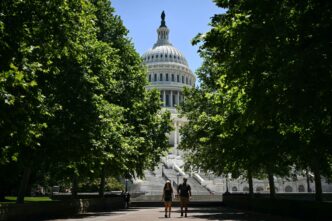
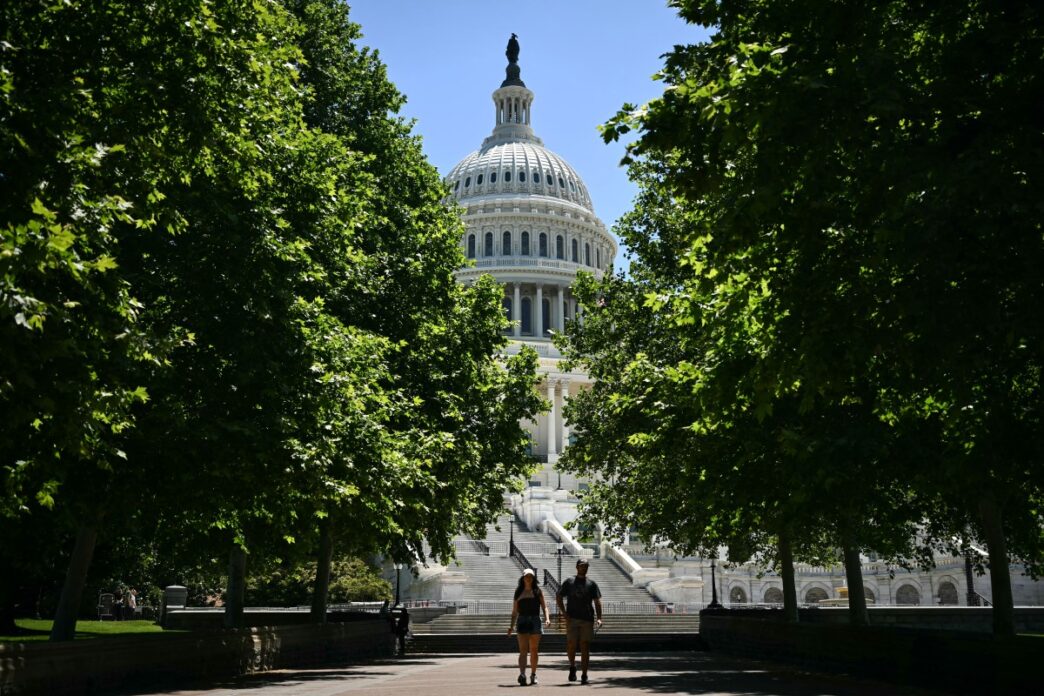
The US Senate on Friday approved $70 billion in funding for Donald Trump’s immigration enforcement agenda, clearing the way for continued operations of Immigration and Customs Enforcement (ICE) and Border Patrol through the remainder of his term.
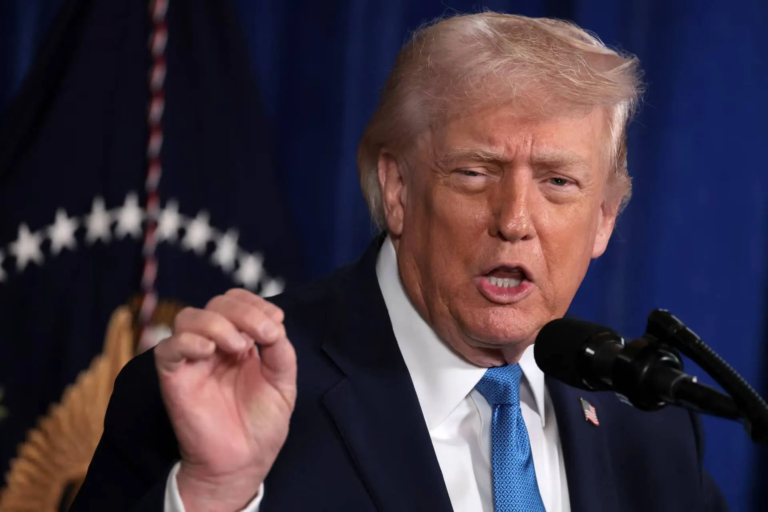
The vote marked a significant legislative win for Trump, one of his administration’s signature priorities, after months of intense debate over the future of immigration policy.
The approval followed a marathon session of amendment votes, known in Washington as a “vote-a-rama,” where senators debated politically sensitive issues before the final passage.
Read More : Mauritania Students Protest Transport Fare Hike
The process exposed tensions within the Republican Party over controversial aspects of Trump’s agenda, including a proposed $1.8 billion “anti-weaponisation” fund for individuals claiming unfair targeting by the government and previously earmarked funds for White House security upgrades.

Acting Attorney General Todd Blanche confirmed the administration would not proceed with the anti-weaponisation fund, but Trump described it as “beautiful” and left uncertainty over its ultimate status. North Carolina Senator Thom Tillis noted the difficulties in explaining the fund, saying, “When you’re explaining, you’re losing. There’s no way to explain the $1.776 billion fund. So the only way you can explain it is explain that you got rid of it.”
Despite Republican infighting and Democratic attempts to redirect immigration funding toward housing and affordability, the Senate vote maintained full funding for ICE and Border Patrol. Several Republicans also supported Democratic measures on new sanctions against Russia and additional aid to Ukraine, reflecting broader concerns within the party over Trump’s priorities.
The bill now heads to the House of Representatives, where Republican leaders aim to advance it quickly to the president’s desk.
The measure restores immigration enforcement funding after a partial Department of Homeland Security shutdown earlier this year had excluded ICE and Border Patrol, underscoring the continuing political challenges for the GOP even with congressional control.