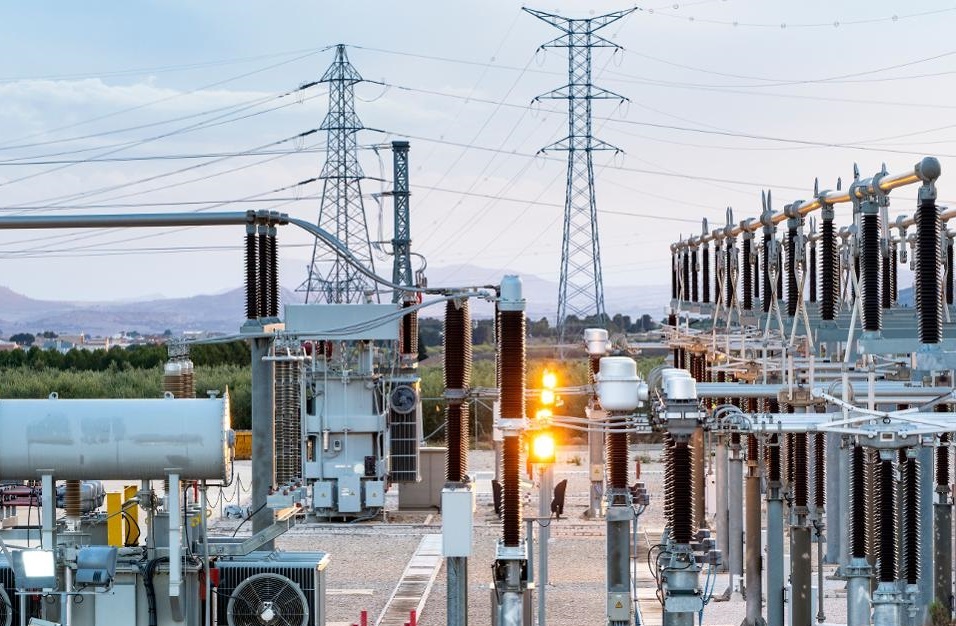
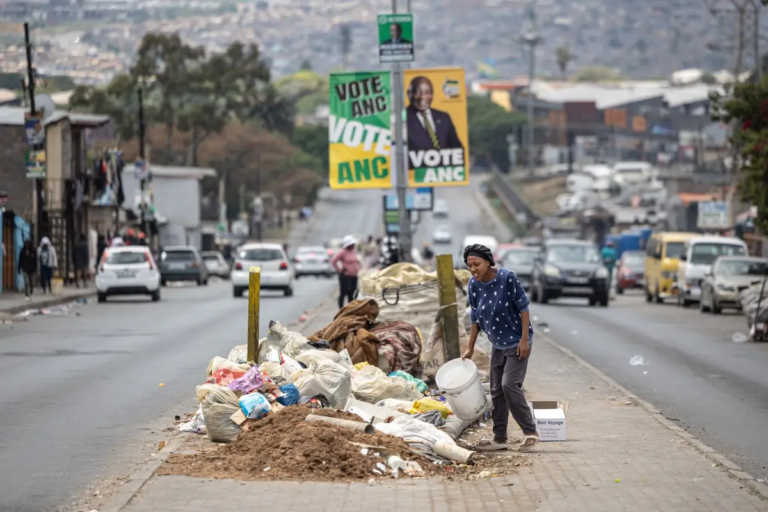
Africa’s Power Sector. Credit:
Africa Energy Portal.
Africa’s electricity sector has increasingly attracted private investment as countries move away from relying solely on state-owned power utilities to expand electricity generation and improve supply.
Across the continent, governments are opening up opportunities for private companies to finance and build power plants, battery storage facilities, transmission lines, and renewable energy projects to address growing energy demands and unreliable grids.
Speaking on the trend, Mark Odur, Group CEO of Solarity Africa, said financing models have changed significantly.
“Blended finance is no longer a nice option at the edges of a deal… it is the baseline assumption,” Odur said.
“The demand signal has changed. The primary driver is reliability. The grid is not delivering,” he added.
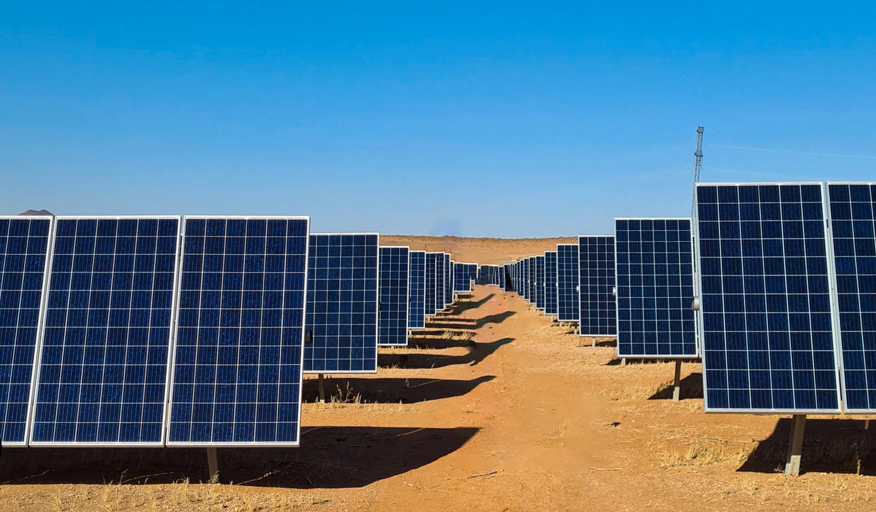
The shift is already reflected in Africa’s renewable energy growth. According to the Global Solar Council, the continent installed about 4.5 gigawatts (GW) of solar capacity in 2025, representing a 54 per cent increase from the previous year and the fastest annual expansion ever recorded in Africa.
South Africa led the growth with about 1.6 GW of new solar capacity, followed by Nigeria with 803 megawatts (MW), Egypt with 500 MW, and Algeria with 400 MW.
In South Africa, private companies are playing a bigger role in electricity generation. Data from Ember Energy shows that state-owned power utility Eskom now produces about 81 per cent of the country’s electricity, meaning nearly one-fifth comes from other sources, largely private producers.
Over the last decade, South Africa has also expanded renewable energy generation by more than 400 per cent, increasing its share of the electricity mix from 2.6 per cent to 13.6 per cent.
Private Capital Reshapes Africa’s Power Sector. Credit: Bird Story Agency.
Egypt is following a different path by combining government planning with private investment. In January 2026, the country signed renewable energy and storage deals worth about $1.8 billion, including a 1.7 GW solar project supported by battery storage facilities.
The Egyptian government is targeting nearly 20 per cent of electricity generation from renewable sources in the 2025/2026 fiscal year, up from about 12 per cent two years earlier.
Meanwhile, Kenya has opened part of its transmission network to private investors. In December 2025, the Kenya Electricity Transmission Company signed a $311 million public-private partnership to finance, build, and operate high-voltage transmission lines.
Nigeria is also encouraging more private participation through updated regulations for mini-grids and net billing systems, allowing businesses and households to generate electricity and, in some cases, sell excess power back into local networks.
Similar reforms are being adopted in countries including Morocco, Ghana, Zambia, Tunisia, and Botswana as governments seek new ways to improve electricity access and reliability.
Despite the progress, challenges remain. The World Bank estimates that about 600 million people across Africa still lack access to electricity. To address this gap, initiatives such as Mission 300 aim to connect 300 million people to electricity by 2030 through a combination of grid expansion and distributed energy solutions.
The growing involvement of private investors is increasingly changing Africa’s power sector, with governments focusing more on regulation and market oversight while private firms help finance and deliver critical energy infrastructure.
Deborah Akwa is a content writer with over four years of experience creating brand stories, editorial content, and audience-focused articles on topics like health, lifestyle, and entertainment.
When she isn't writing, she is behind the scenes managing editorial operations and helping the content team work better.
She loves using words to connect brands with their audiences. Outside of work, she enjoys watching movies and engaging in thought-provoking conversations.
Weekly roundups. Sharp analysis. Zero noise. The NewsCentral TV Newsletter delivers the headlines that matter—straight to your inbox, keeping you updated regularly.





 Trending