Trending
International tourism continued to grow in early 2026 despite geopolitical uncertainty, with 307 million people traveling internationally during the first quarter, according to UN Tourism.
Africa remained among the strongest-performing regions, recording a 4% increase in international arrivals despite challenges like rising travel costs and regional instability.
The continent’s momentum has been building. Africa welcomed about 81 million international visitors in 2025, an 8% increase from 2024 and the fastest tourism growth of any world region. Eastern Africa led the expansion with a 24.3% increase in arrivals, reinforcing the region’s growing importance in global travel.
Read More : Nigeria’s North Trapped in Ransom Economy
As competition for visitors intensifies, destinations are looking beyond wildlife, beaches, and heritage sites to differentiate themselves.
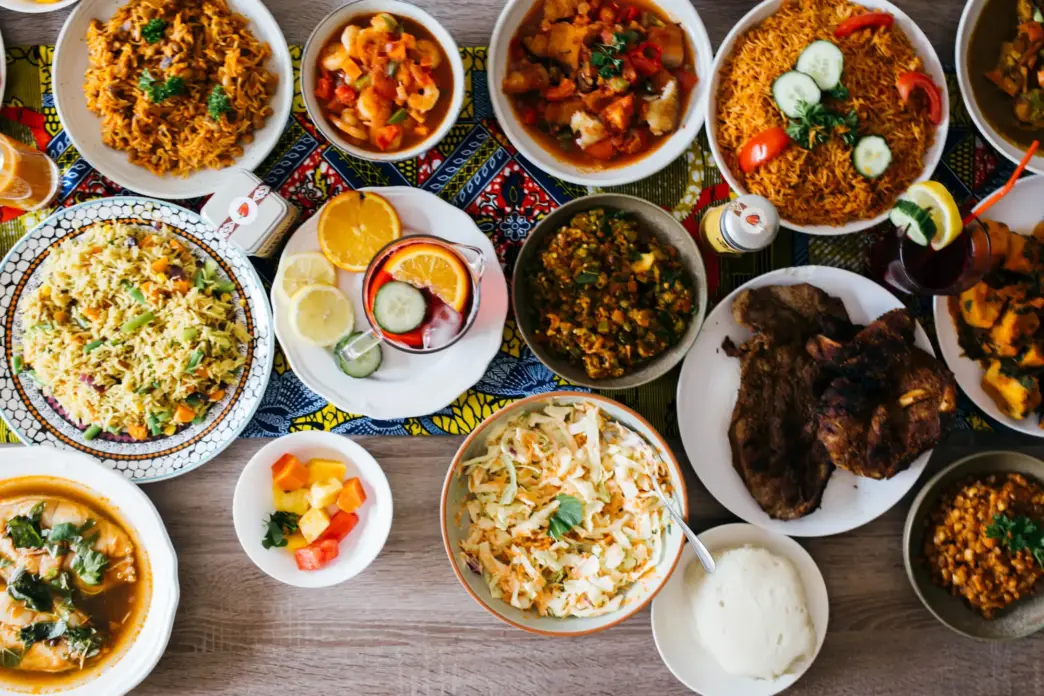
One of the fastest-growing opportunities is gastronomy, with governments positioning cuisine, indigenous ingredients, and culinary heritage as strategic tourism assets rather than simply hospitality offerings.
“Culinary tourism is one of our greatest untapped opportunities,” according to Philip Mutuku, an indigenous knowledge specialist and founder of Afrika Hospitourism Hub.
“Food preserves indigenous knowledge, strengthens cultural identity, supports local farmers, empowers communities, and creates authentic experiences that modern travelers increasingly seek.”
Mutuku explains that experiences such as harvesting indigenous vegetables with local communities, preparing traditional dishes, and learning the stories behind local ingredients allow visitors to engage with destinations beyond conventional sightseeing while creating new income streams for rural communities.
The trend reflects broader changes in travel behavior. UN Tourism estimates gastronomy accounts for more than 20% of global tourism spending, while industry research shows 81% of travelers consider local food an important part of their trip, and 37% choose destinations specifically for culinary experiences.
Africa’s tourism strategies are responding. Rather than relying solely on wildlife, beaches, and heritage sites, countries are investing in food festivals, culinary routes, cooking classes, coffee estates, vineyards, spice farms, and farm-to-table experiences that connect visitors directly with local producers and communities.
UN Tourism has placed gastronomy at the centre of its agenda for Africa. After launching its first Regional Forum on Gastronomy Tourism in Zimbabwe in 2024, and expanding it to Tanzania in 2025.

Culture Custodian.
The organisation will convene tourism ministers, policymakers, chefs, and industry leaders in Freetown, Sierra Leone, from 2 to 4 December 2026 for the third Regional Forum on Gastronomy Tourism for Africa to advance policies linking food, culture, and tourism.
The initiative encourages governments to embed gastronomy into tourism policy by strengthening agricultural supply chains, preserving indigenous food knowledge, supporting food entrepreneurs, and creating employment across agriculture, hospitality, and the creative economy.
For African destinations, gastronomy generates economic value well beyond restaurants.
Jacklyn Njau, founder of Memoir Hospitality Global Network, believes food has become one of Africa’s most overlooked tourism assets. Kenya’s indigenous cuisine, she argues, represents one of the country’s richest cultural resources but remains one of its least-developed visitor experiences.
“Food is more than nourishment. It is history, identity, agriculture, storytelling, and hospitality served on a plate,” she said, arguing that greater investment in food tourism could preserve traditional recipes, support farmers, create jobs, and stimulate domestic travel.
The shift is increasingly reflected in Africa’s annual tourism calendar, with governments and industry staging food festivals, trade exhibitions, and gastronomy forums that position cuisine as a standalone visitor attraction rather than a complementary experience.
Ghana has elevated cuisine into a tool of cultural diplomacy. Its government-backed AfroGastro Festival brought together chefs from 12 African and diaspora countries, with the Ministry of Tourism positioning gastronomy as a platform for cultural exchange, trade promotion, and international destination branding.
Nigeria continues to expand food festivals into tourism assets. The GTCO Food & Drink Festival, scheduled for 1–3 May 2026 in Lagos, brought together chefs, restaurateurs, and food entrepreneurs through masterclasses, street food showcases, and culinary innovation. Later in the year, the African Food & Drinks Festival and Naija Food Festival are expected to attract tens of thousands of visitors, further strengthening Lagos’ position as one of West Africa’s leading food destinations.
Kenya is combining gastronomy with urban tourism and regional trade. The Africa Food Show, scheduled for 19–21 August 2026 in Nairobi, will connect food producers, processors, hospitality businesses, and regional buyers while showcasing East Africa’s growing agri-food industry. Alongside trade events, community food experiences, and street food festivals continue to promote indigenous crops, Swahili cuisine, and local culinary traditions.
Morocco is linking gastronomy with trade. Alongside culinary routes and regional food heritage, the Africa Food Show Morocco connects producers, exporters, hospitality businesses, and international buyers, positioning food as both a tourism attraction and an export opportunity.
Egypt is integrating cuisine into its cultural tourism strategy. Cairo Food Week combines culinary experiences with heritage venues such as the Grand Egyptian Museum, while Cairo Bites attracts more than 30,000 visitors through food exhibitions, live entertainment, and local food entrepreneurship.
Tanzania has embedded gastronomy into its tourism diversification strategy after hosting the second UN Regional Forum on Gastronomy Tourism for Africa. Zanzibar’s spice farms, seafood markets, Swahili cuisine, and cooking experiences are increasingly promoted alongside the country’s established wildlife attractions.
Ethiopia is also gaining international recognition for its culinary heritage. Travel and Tour World’s 2026 ranking recently placed the country 37th among the world’s top food destinations, making it the only East African destination to feature in the global top 50. The publication highlighted Ethiopia’s coffee ceremonies, injera, doro wat, regional cuisines, and centuries-old culinary traditions as key attractions for travelers seeking authentic food experiences.
South Africa has developed one of the continent’s busiest gastronomy tourism calendars. Food Indaba runs from 20 July to 2 August in Cape Town, focusing on indigenous ingredients, food security, and walking food tours, before the Gastronomy Africa Conference and Expo convenes tourism authorities, chefs, and hospitality investors in Tshwane on 3 – 4 August.
The calendar continues with the DStv Delicious International Food and Music Festival in Johannesburg on 19–20 September, combining live entertainment with regional cuisine, while Taste of Cape Town, scheduled for 28–29 November, targets international holidaymakers through premium dining experiences, wine pairings, and leading South African chefs.
Read More : African Insurers Expand Into Banking
The shift is also reshaping the hospitality industry. Hotels and safari operators are increasingly incorporating bush breakfasts, farm-to-table dining, coffee tastings, vineyard visits, cooking demonstrations, and sunset dining experiences into their itineraries, making food an integral part of the travel product rather than a supporting service.
Africa’s food market is projected to reach US$1 trillion by 2030, driven by the world’s fastest-growing population, rising consumer spending, and growing global demand for food, according to the World Bank.
By Bonface Orucho, Bird Story Agency.