Trending
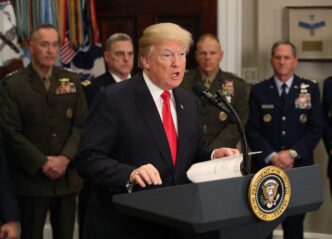
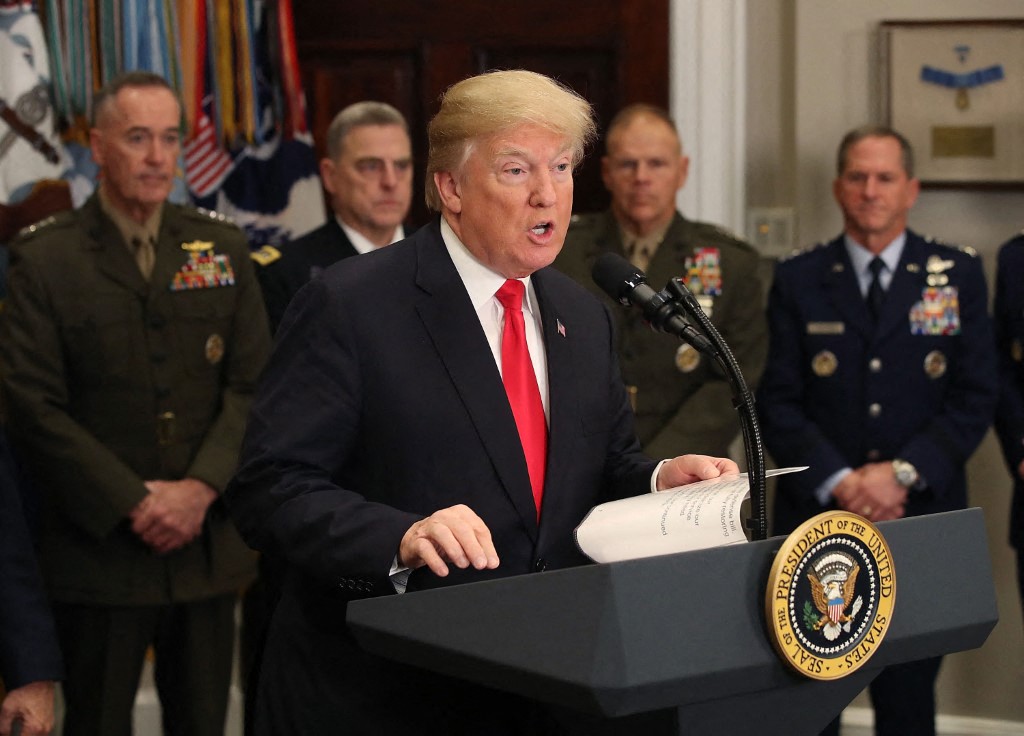
US President Donald Trump has issued a stark warning to Iran, saying the country would “no longer exist” if the United States is “forced” to resume military action, amid a renewed cycle of strikes and counterstrikes between Washington and Tehran.
The warning followed fresh US military operations on Saturday targeting what officials described as Iranian-linked assets.
“United States aircraft just struck Iranian missile and drone storage locations, and coastal radar sites, for violating the Cease Fire Agreement, AGAIN!” he said in a post on Truth Social, adding that while Washington prefers restraint, “there may come a point when we are no longer able to be reasonable, and will be forced to militarily complete the job that we very successfully started. If that happens, the Islamic Republic of Iran will no longer exist!”
Read More : Putin Vows to “Do Everything” to End Iran War
The latest escalation comes after US Central Command said Iranian forces carried out a drone attack on the Panama-flagged tanker Kiku, which was transporting about two million barrels of crude oil. In response, US strikes reportedly hit “surveillance infrastructure, communication systems, air defense sites, drone storage facilities, and minelayer capabilities” across multiple locations.
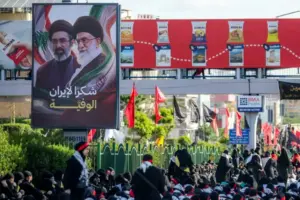
Iranian media reported explosions in the Sirik and Qeshm regions, while Tehran confirmed retaliatory attacks on US-linked targets in the Gulf. Bahrain also claimed its territory was targeted by Iranian drones, accusing Tehran of “sabotaging peace efforts.”
Iran’s Revolutionary Guards warned that “if the aggression is repeated, our response will be broader,” signalling the risk of further escalation.
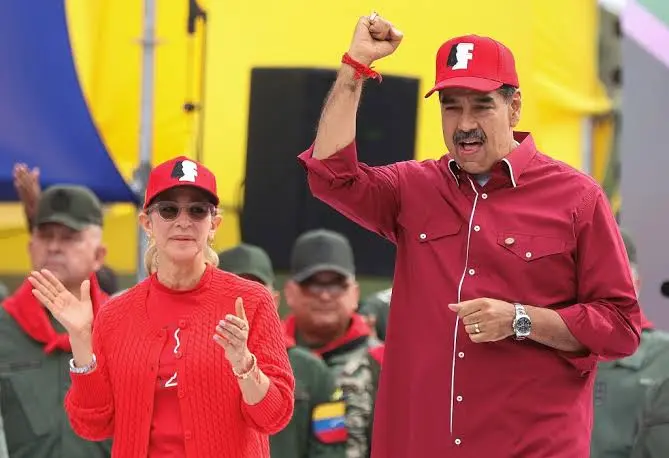
Read More : US Hits Maduro, Wife With New Torture Charges
The renewed violence has intensified instability around the Strait of Hormuz, a critical global shipping route. Analysts warn that continued disruption could sustain pressure on energy markets, even as oil prices have recently eased on expectations of restored maritime traffic.
Elsewhere, the conflict’s regional spillover continued as Israel conducted strikes in Lebanon. The Lebanese militant group Hezbollah rejected a US-backed peace deal with Israel, calling it “humiliating, shameful and a surrender of sovereignty.”
Despite diplomatic efforts, both the Gulf and Levant theatres remain volatile, with multiple actors warning that any breakdown in ceasefire arrangements could widen the conflict further.