Trending
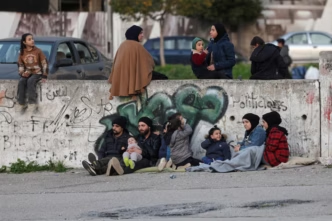
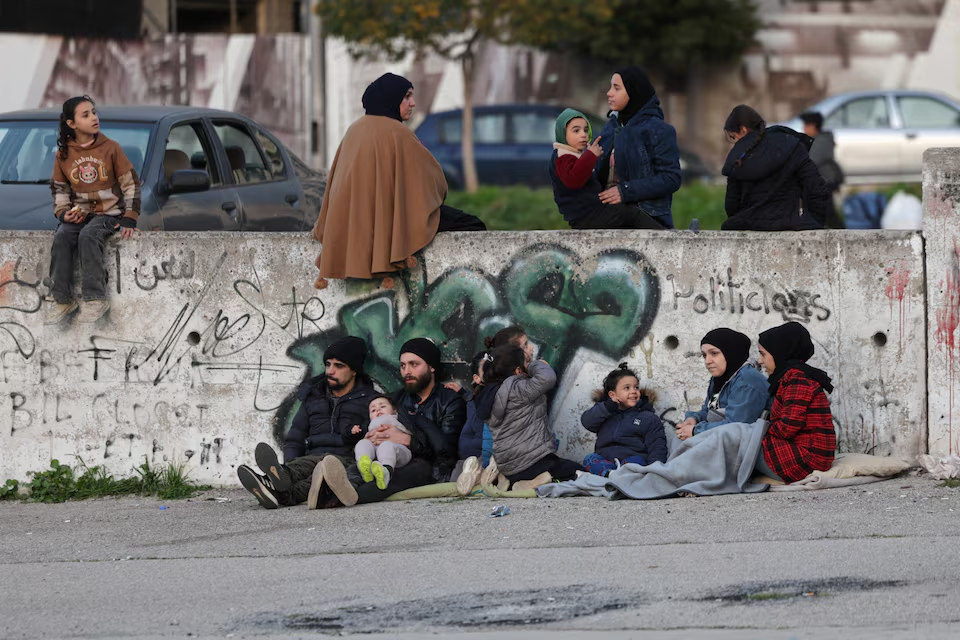
Over 600,000 displaced Lebanese citizens have returned to their homes as war between Hezbollah and Israel winds down under a new ceasefire deal, the International Organisation for Migration (IOM) reported Thursday.
According to IOM data, 646,107 internally displaced persons have begun returning to their communities since the truce took effect on June 21.
While hundreds of thousands are flooding back into southern Lebanon and Beirut’s southern suburbs, the IOM notes that roughly 500,000 people remain displaced across the country.
Read More : Russian Strikes Damage Kyiv Power Grid
The regional war erupted on March 2 when Hezbollah launched rocket attacks against Israel following the assassination of Iran’s supreme leader.
Israel responded with heavy airstrikes and a ground invasion, killing around 4,300 people and displacing over one million.
As residents now return, Lebanese authorities are dismantling informal tent cities and closing temporary shelters in Beirut.
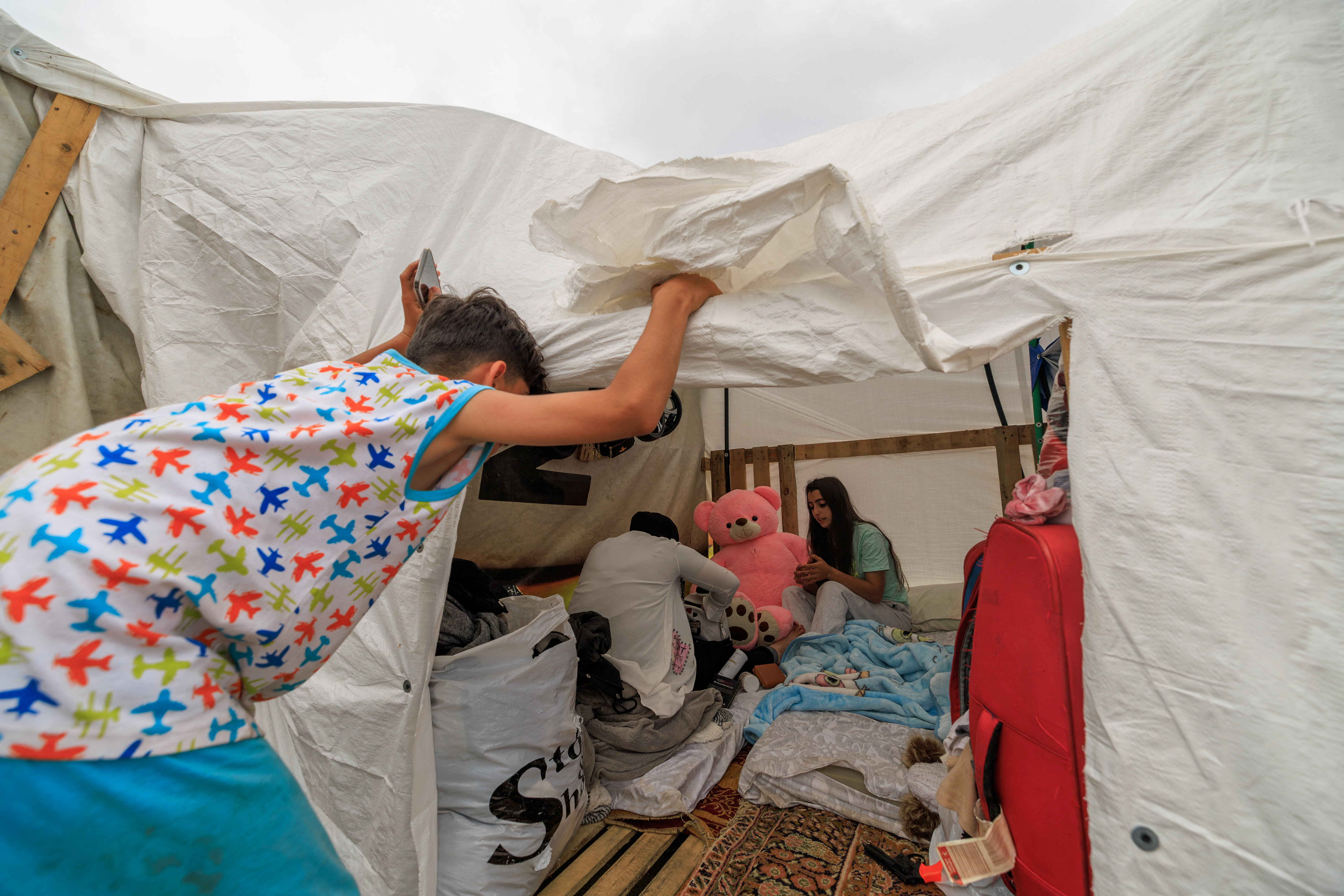
However, severe structural damage still prevents families from returning to dozens of border towns, and Israeli forces intend to maintain a 10-kilometre-deep “security zone” inside Lebanese territory.
“Our shared objective is one: to secure Israel’s withdrawal.”
— Joseph Aoun, Lebanese President
To secure a permanent peace, Lebanon and Israel recently concluded a US-backed framework agreement.
The text outlines the disarmament of Hezbollah, a phased Israeli withdrawal, and the deployment of the Lebanese army to the south.
However, because the deal conditions Israel’s retreat on Hezbollah disarming first, it lacks a definitive timetable—a term that Hezbollah rejects and experts call unrealistic for the Lebanese government to enforce.
Read More : Iran Urge US Voters To Reject Trump Allies
Meanwhile, international human rights groups, including Amnesty International, heavily criticised the framework agreement on Friday.
The NGOs warned that the text effectively locks victims out of international courts and tacitly accepts the indefinite forced displacement of tens of thousands of southern residents.
President Joseph Aoun defended the document, countering that it merely pauses state-level lawsuits during negotiations and does not legitimise Israel’s occupation.