Trending
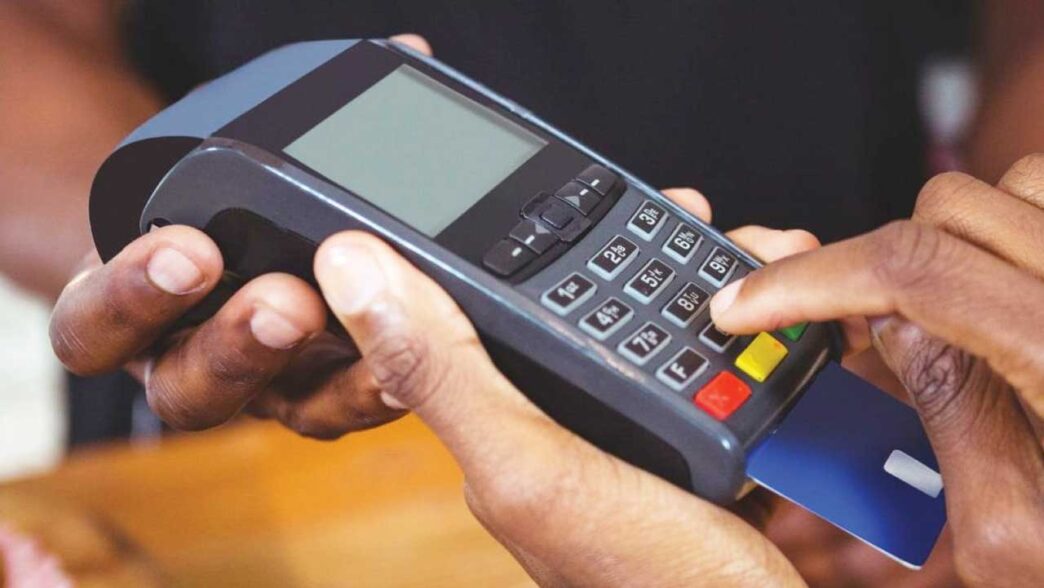
Nigeria’s push towards a cashless economy has created millions of jobs through Point-of-Sale (POS) businesses, but it has also exposed many operators to an unexpected risk.
Across the country, innocent POS agents are increasingly being investigated, arrested or dragged to court after unknowingly processing transactions made with stolen debit cards.
For millions of Nigerians, POS agents have become the closest alternative to banks.
Whether it is withdrawing cash, sending money, paying bills or making deposits, agent banking has become an essential part of daily life, especially in communities where bank branches are few and ATMs frequently run out of cash.
According to the Central Bank of Nigeria (CBN), more than 2.93 million POS terminals were deployed across the country by the first half of 2024, compared to 2.45 million six months earlier.
During the same period, POS terminals processed 6.4 billion transactions worth N85.9 trillion, highlighting the sector’s growing importance to Nigeria’s financial system.
Behind those impressive figures, however, is a growing concern among operators who say every transaction now carries a hidden danger.
From financial inclusion to legal battles
For many Nigerians, becoming a POS operator has been a way out of unemployment.
Young graduates, women and small business owners have embraced agent banking as a source of income while helping to deepen financial inclusion.
However, interviews carried out by News Agency of Nigeria (NAN) with POS operators, officials of the Kwara Association of Professional Point-of-Sale Agents (KAPPSA), security agencies and fintech experts reveal an emerging problem.
Fraudsters are increasingly using stolen debit cards to carry out transactions at POS terminals because, as long as the card is physically present and the correct Personal Identification Number (PIN) is entered, the banking system approves the transaction.
Days or weeks later, when the card owner reports the theft, investigators trace the transaction back to the POS operator.
Although operators insist they simply provide a legitimate financial service, many find themselves answering police questions, attending court or even refunding money they never benefited from.
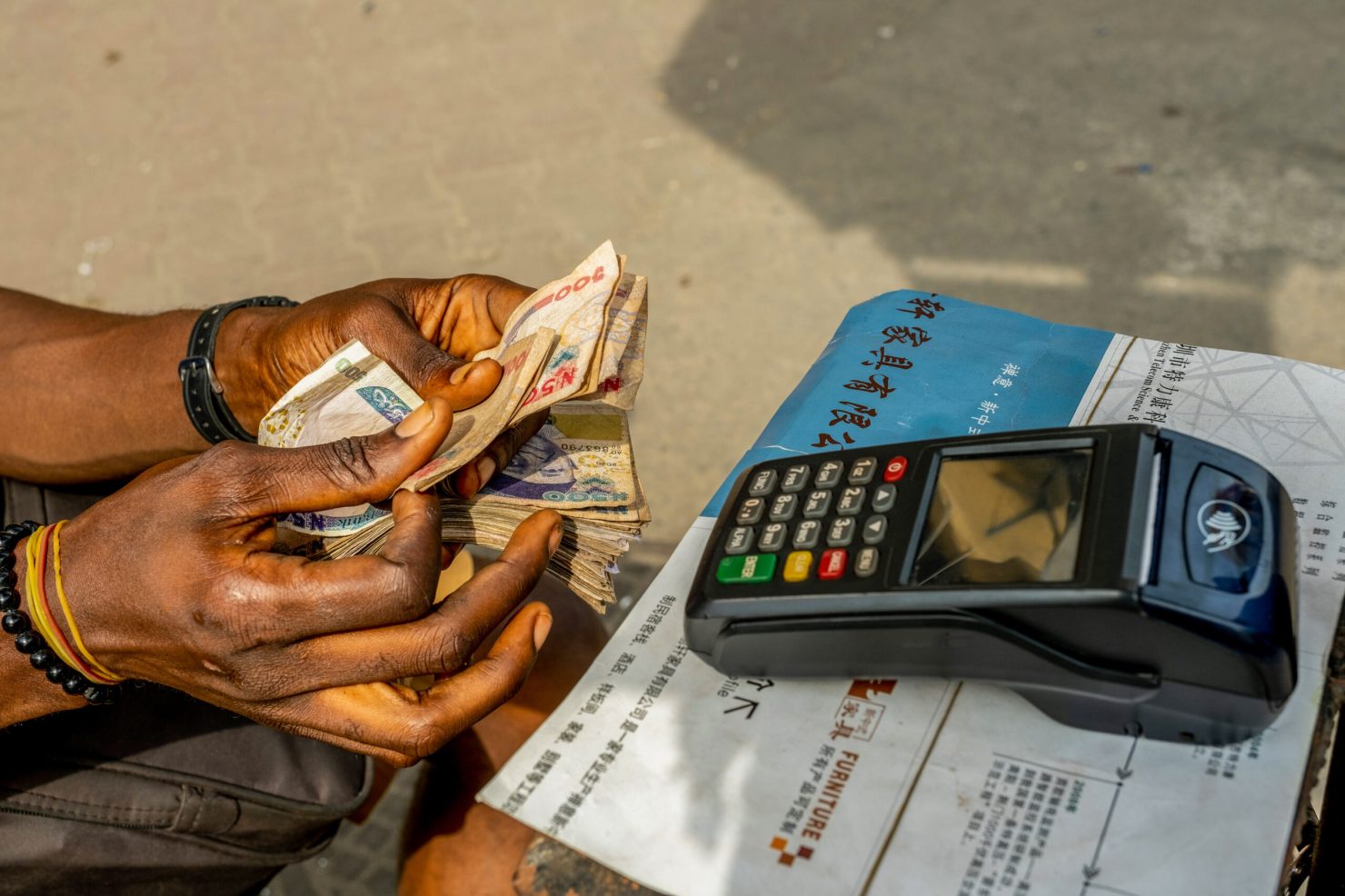
Operators say they are paying for crimes they did not commit
KAPPSA Chairman Ridwan Opakunle said many members have become victims of circumstances beyond their control.
According to him, the association’s more than 25,000 registered members have recorded increasing cases of arrests, frozen accounts and prolonged legal disputes over transactions later linked to stolen debit cards.
“Our members are not against investigations. If someone commits a crime, the law should take its course. But operators who merely provide legitimate banking services should not bear the burden of proving their innocence simply because a transaction passed through their terminals,” he said.
He noted that many POS operators are small-scale entrepreneurs with limited capital.
“When an account is frozen or an operator is repeatedly attending court, it is not just the business that suffers. It affects families, children’s school fees and the livelihoods of people who depend on that income,” he added.
Some operators have reportedly paid large sums to settle cases simply to keep their businesses running, while others have spent months attending court before being cleared.
Security agencies defend investigations
The Nigeria Security and Civil Defence Corps (NSCDC) and the Nigeria Police Force (NPF) insist that POS operators are not automatically treated as criminals.
NSCDC spokesperson ASC Shola Ayoola explained that POS agents are often the last known physical contact in a disputed transaction, making them an important starting point for investigations.
“That makes the operator a vital point of inquiry,” he said.
Similarly, Kwara State Police Command spokesperson SP Adetoun Ejire-Adeyemi said investigations rely on transaction records, witness statements, CCTV footage where available and other digital evidence.
According to both agencies, some people initially questioned are eventually cleared once investigations identify the actual suspects.
However, they admitted that financial crimes have become increasingly sophisticated, with criminals using stolen identities, multiple bank accounts and improperly registered SIM cards to move money quickly before victims discover the fraud.

Technology may be the solution
Fintech experts believe Nigeria’s payment system needs stronger security measures.
Hussein Olarewaju, founder of HAQ Technology Management Services, said banks already use advanced fraud detection systems capable of identifying unusual transactions and suspicious account activities.
He believes those protections should also be extended to agent banking.
“Smart POS terminals can integrate BVN, NIN and liveness testing to verify customer identity,” he said.
Fintech compliance expert Olakunle Afolabi argued that relying solely on debit cards and PINs is no longer enough.
“Fingerprint or facial verification should complement PIN authentication, especially for high-value transactions. That additional layer will significantly reduce fraud at agent locations,” he said.
Although deploying such technology may increase operating costs, both experts believe the long-term benefits outweigh the expense.
They argue that stronger biometric verification would protect genuine customers, reduce fraud and prevent innocent POS operators from becoming unintended victims of criminal investigations.
Protecting the people driving financial inclusion
Interestingly, the recommendations by fintech experts align with the position of security agencies, which also support stronger identity verification to improve investigations and reduce wrongful arrests.
KAPPSA has therefore called on regulators, banks, fintech companies and security agencies to work together on reforms that include improved Know Your Customer (KYC) procedures for high-value transactions, continuous training for POS agents, faster information sharing between financial institutions and investigators, and clearer operational guidelines.
According to Opakunle, POS operators should be recognised as partners in Nigeria’s financial inclusion drive rather than treated as suspects whenever fraud occurs.
“Our members are helping government and financial institutions take banking services to communities where there are no bank branches. They deserve protection too,” he said.

A growing challenge for Nigeria’s cashless future
Nigeria’s digital payment ecosystem has expanded rapidly over the past decade, bringing banking closer to millions of people.
Yet, as the country continues its transition towards a cashless economy, stakeholders warn that the system must evolve alongside the threats it faces.
For many POS operators, the challenge is no longer just serving customers quickly.
It is ensuring that one approved transaction does not suddenly become the beginning of a police investigation or a lengthy court battle.
As digital payments continue to grow, industry players say building a safer payment ecosystem will require better technology, stronger regulations and closer cooperation between financial institutions and law enforcement, without discouraging the small businesses that have become the backbone of everyday banking in Nigeria.