Trending


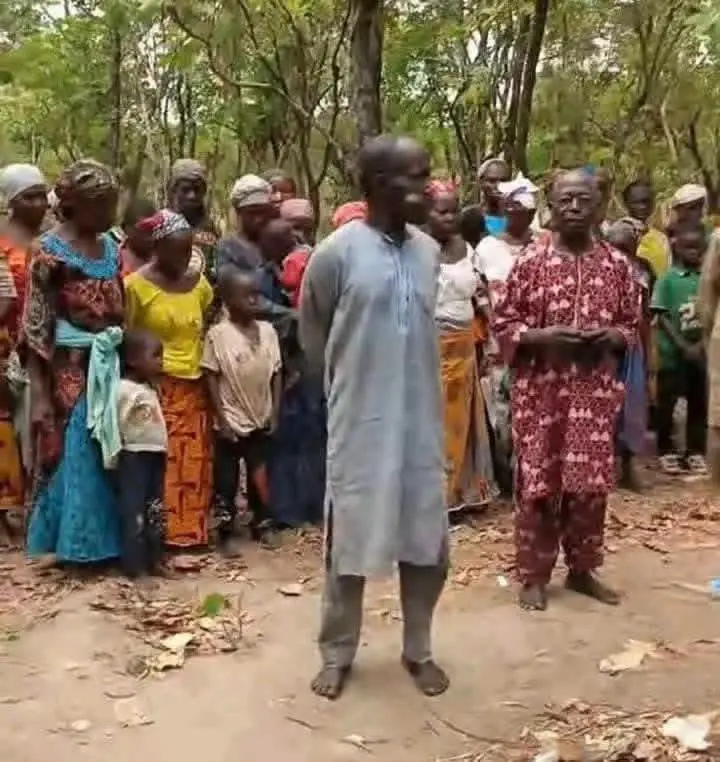
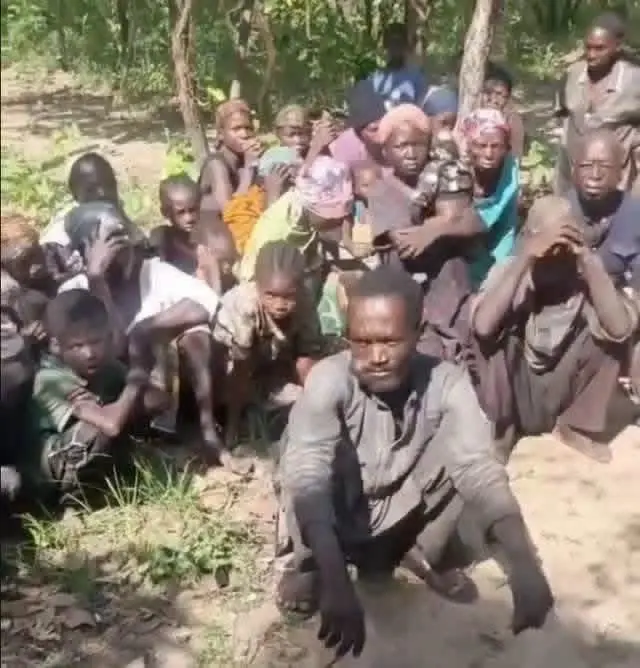
Thirty-seven people abducted during Easter Sunday church raids in Southern Kaduna are being repeatedly threatened with death, starved, and subjected to rape and beatings while in captivity, Amnesty International has said.
The victims were seized on April 5, 2026, from churches in the Ariko community, Kachia Local Government Area, the rights group said in a statement on Monday.
“Three of the 11 people abducted from Awon community have died in captivity this week. A woman, Joy Samuel, died on 28 August, after giving birth in a deplorable condition. The baby she delivered also died. Mr. Yusuf Bawa 34, and his 5-year-old son have also died as a result of severe illness and hunger,” Amnesty said.
Read More : Umahi: Obi Can Never Be South-East’s Best
“Deaths and severe illness these people are facing in captivity show the atrocities they are being subjected to.”
The rights group said the abducted persons are “always repeatedly threatened to be killed, starved, women and girls raped, beaten and dehumanised in so many ways.”
Amnesty said the incident is “just one of many instances demonstrating the utter failure of Nigerian authorities to protect the people.”
“Recurring attacks, abductions for ransom, and killings are continuing to make life a hell in many parts of southern Kaduna. A climate of fear is affecting agricultural activities, education and other aspects of social lives of the people,” Amnesty’s statement read.
Read More : NEC Endorses 90-Day Plan to Cut Living Costs
Amnesty has previously stated that “a new investigation shows that, in the two years since the current government has been in power, at least 10,217 people have been killed in attacks by gunmen in Benue, Edo, Katsina, Kebbi, Plateau, Sokoto and Zamfara states.”
It also noted that Benue State accounts for the highest death toll of 6,896, followed by Plateau State, where 2,630 people were killed.
“The Nigerian government must deliver on its national and international human rights obligations by immediately redoubling efforts to ensure the safe release and return of not only the 37 worshippers abducted in Kachia LGA, but also all people held captive by gunmen across Nigeria,” Amnesty said.