Trending
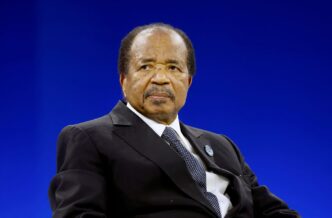
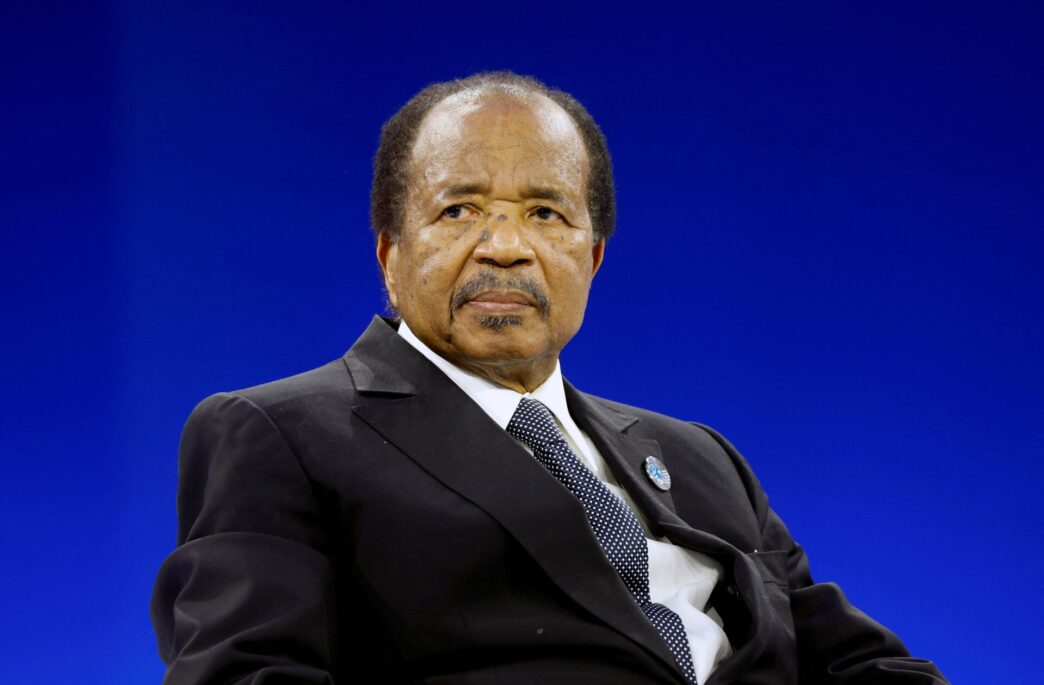
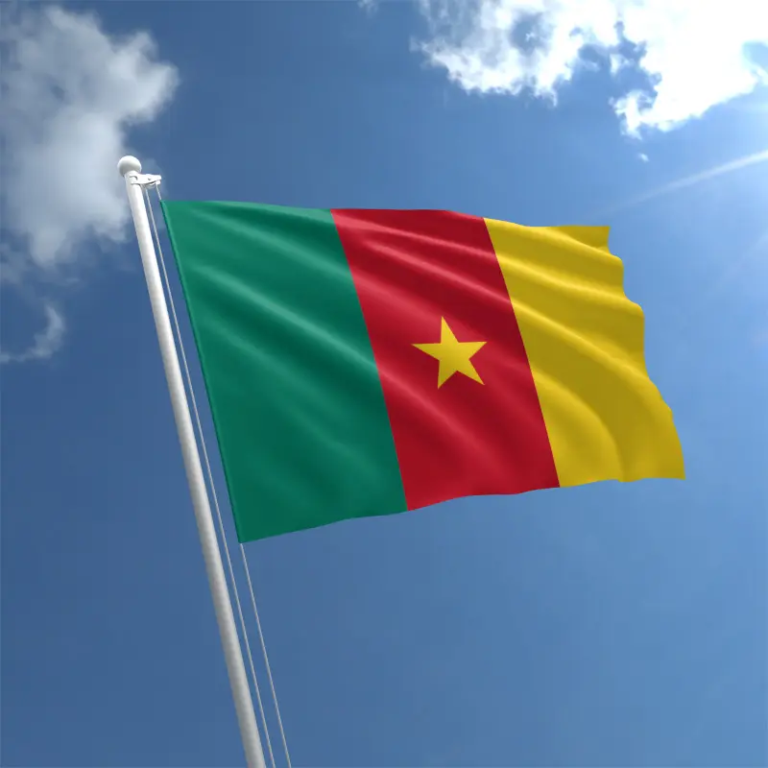
Cameroonian President Paul Biya’s 48-day absence in Switzerland has reignited fierce national debate over political stagnation and government paralysis.
The 93-year-old leader—the world’s oldest head of state, who has ruled for over four decades—departed Yaoundé on June 7 for a private European stay alongside First Lady Chantal Biya.
Opposition leaders actively condemn the extended stay as a glaring institutional vacuum, pointing to stagnant cabinet appointments and repeatedly delayed municipal elections.
Government officials firmly reject claims of a power vacuum, maintaining that Biya actively manages state affairs from abroad through his aides.
The persistent absence fuels intense public frustration following a contentious October re-election campaign that triggered violent street protests and drew sharp international criticism.

Despite promising a new cabinet during his December 31 address, Biya has failed to announce a new government team seven months later.
Parliament created a vice-presidential post through constitutional reform in May, yet Biya has left the position vacant.
This administrative delay provoked a high-profile hoax in June, when fraudsters delivered fake presidential decrees appointing a vice-president to a national public radio station.
Political analysts warn that the governance standstill conceals mounting succession battles within the ruling elite.
Observers point to escalating infighting among internal factions competing for influence in the post-Biya era, with analysts noting the First Lady’s growing prominence in state appointments and key decisions.
Under current constitutional rules, Senate President Aboubakary Abdoulaye remains next in line to assume interim leadership should authorities declare an official power vacuum before a new presidential election.