Trending
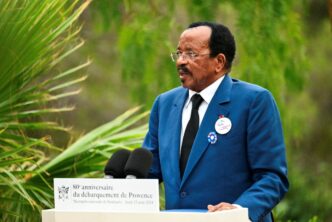
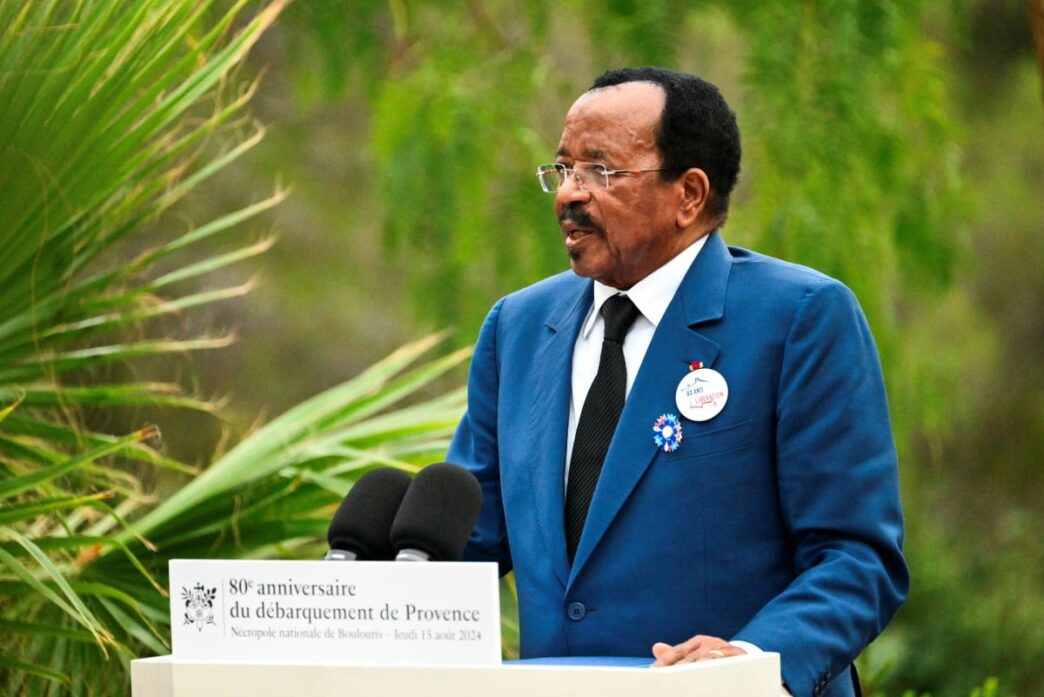
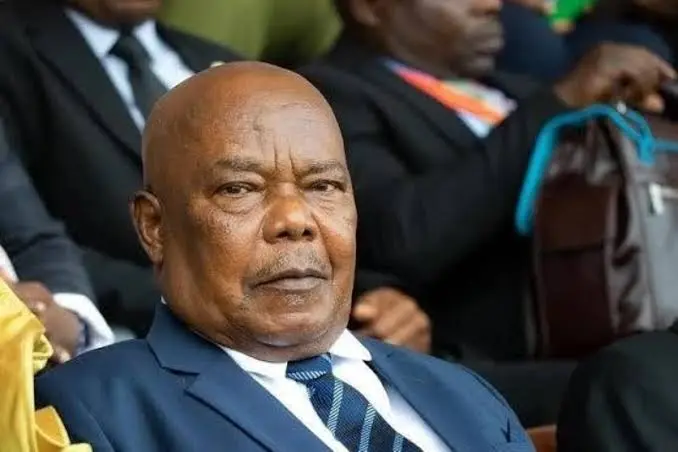
Political uncertainty has increased in Cameroon after President Paul Biya spent 45 days outside the country, prompting renewed questions over succession and the future of leadership.
According to Reuters, Biya left Cameroon on June 7 for what the presidency described as “a brief private stay in Europe” but has not returned.
The government has not announced when the president is expected back, making the trip his longest known absence abroad since he took office in 1982.
The development led the ruling Cameroon People’s Democratic Movement (CPDM) to hold a rare meeting of senior party officials on Wednesday.
In a statement, CPDM Secretary-General Jean Nkuete described the meeting as “an important working session” but did not disclose its agenda.
Although the party did not link the meeting to Biya’s absence, opposition figures have continued to demand more information about the president’s status and the continuity of government.
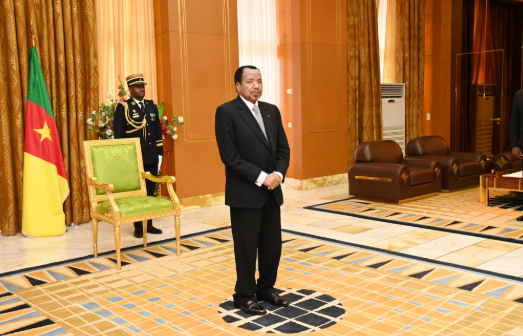
The Cameroon Democratic Union called on authorities to explain the “effective continuity of the state,” while opposition lawmaker Jean Michel Nintcheu urged the Constitutional Court to consider declaring the presidency vacant.
Government officials have dismissed concerns over Biya’s health, insisting that he remains capable of governing from abroad.
Biya, who has ruled Cameroon for more than four decades after taking office in November 1982, is the world’s oldest serving head of state and Africa’s second-longest-serving president after Equatorial Guinea’s Teodoro Obiang Nguema Mbasogo.
His prolonged absence has renewed debate over succession, especially as he has not publicly named a successor.
Earlier this year, Cameroon approved legislation restoring the position of vice president, who would be first in line to succeed the president.
However, the position remains vacant.
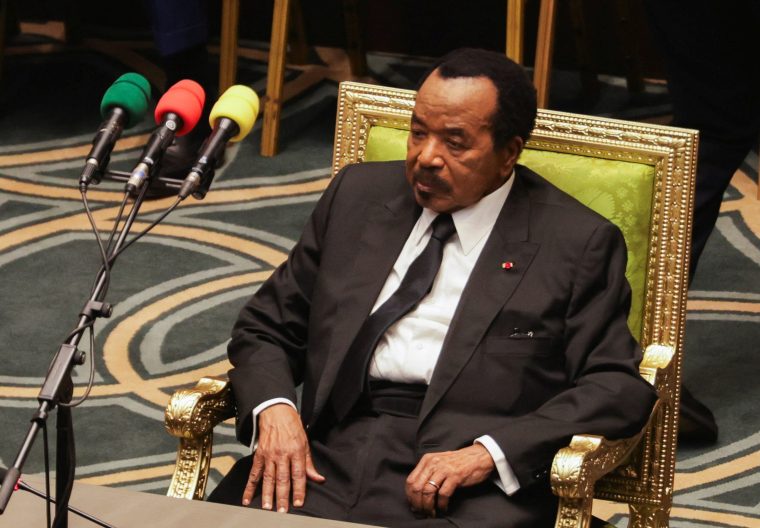
Biya has regularly taken extended trips to Switzerland and other parts of Europe during his presidency.
The political uncertainty is also being closely watched by investors, as Cameroon is one of Central Africa’s biggest economies and a major producer of cocoa, crude oil, natural gas and timber.
Prolonged uncertainty over leadership could also affect governance, policy decisions, and investor confidence.
Biya’s current absence is the longest on record, fuelling domestic and international concerns over the country’s leadership.