Trending
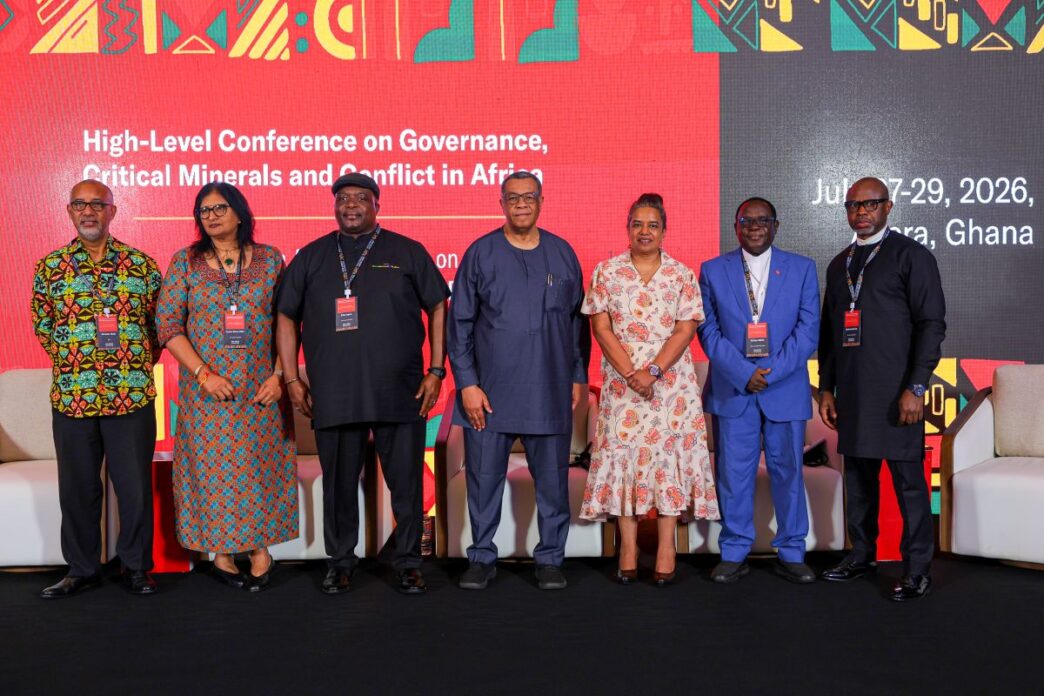
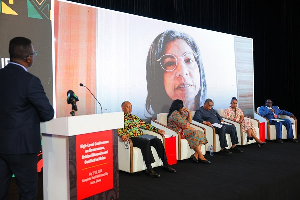
African policymakers, researchers, civil society actors and other stakeholders converged in Accra this week for a high-level conference charting a new governance path for the continent’s critical minerals sector, with organisers pushing for a fresh charter centred on transparency and citizen benefit.
The three-day conference, running from July 27 to 29 and convened by the Open Society Foundations, is examining how Africa can leverage its vast critical mineral resources to promote sustainable development, democratic governance and lasting peace while preventing conflicts in resource-rich communities.
Delegates are also exploring ways to strengthen transparency, accountability, inclusion and respect for human rights in the governance of critical minerals, aiming to ensure the sector’s wealth reaches ordinary citizens.
Speaking on the sidelines of the opening ceremony, Dr Chukwuemeka B. Eze, Director of the Democratic Futures in Africa Programme at the Open Society Foundations, said the gathering was designed to put good governance at the centre of Africa’s mineral opportunities rather than dwelling only on existing problems. He asked how the opportunities presented by the sector could be used to advance a new charter for Africa and its citizens, framing the conference as forward-looking.
Dr Eze further stressed that critical minerals, governance and conflict should not be treated as separate issues, calling instead for closer collaboration among governments, civil society, researchers and the media, alongside greater investment in local knowledge and research capacity to help African countries process their own resources.
Other speakers reinforced the governance theme. Alexander Kofi-Mensah Mould, CEO of the Millennium Development Authority, argued that Africa’s future should be measured not by the volume of minerals extracted but by its ability to build industries, create jobs and generate shared prosperity, noting that “history reminds us that natural resources alone never guarantee prosperity. The difference was not simply the resource. The difference was governance.”
Senior Presidential Advisor Augustus Goosie Tanoh urged nations to seize rising global demand for critical minerals to industrialise, warning against repeating past patterns of exporting raw materials while other regions capture the value. He asked whether Africa would use its minerals to build industries and strengthen peace, or remain a bystander, and called for deeper cooperation through the African Continental Free Trade Area.
Organisers expect the conference to yield practical recommendations on governance, regional cooperation and industrialisation.