Trending

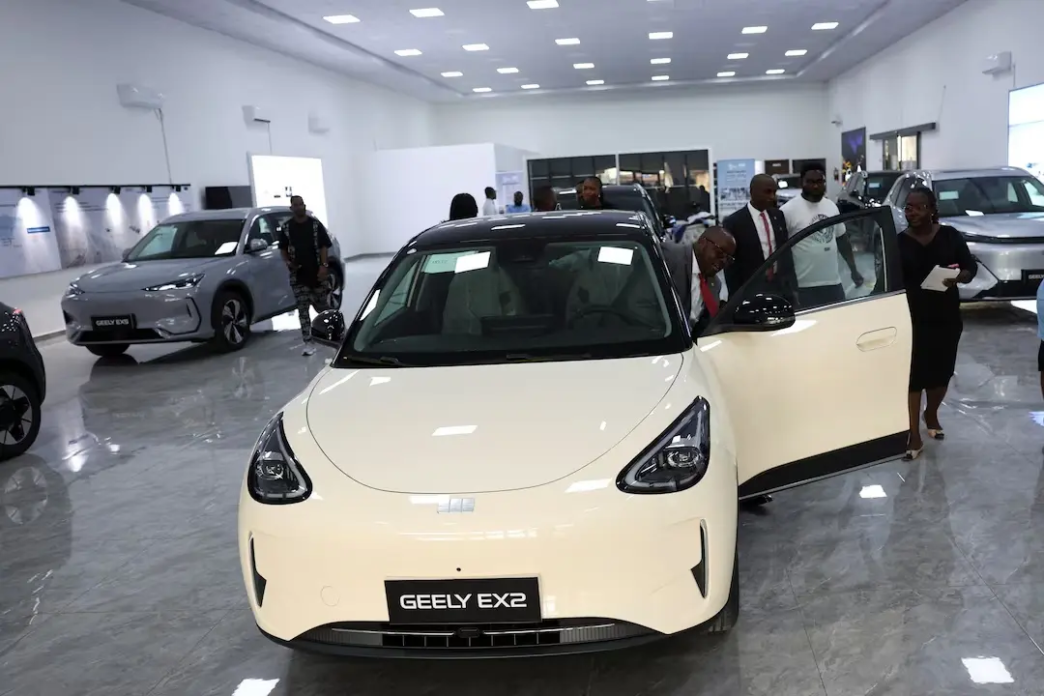
Nigeria approved tax waivers for nearly 4,000 electric vehicles during the first half of the year as part of a government initiative to accelerate green transportation.
According to official data reviewed by Reuters, the tax incentives, which follow the removal of value-added tax in 2024 and the elimination of import duties this year, aim to support Nigeria’s target of making EVs 60 per cent of its national fleet by 2050.
Rising fuel costs following petrol subsidy cuts have driven growing interest in cleaner transport, despite electric models currently making up under 1 per cent of vehicles on Nigerian roads.
Read More : J.P. Morgan to Open Merchant Bank in Nigeria
Severe grid failures continue to challenge adoption, forcing charging stations, dealerships, and operators to rely heavily on diesel generators to supply power.
Auto manufacturers like Geely and its local partner, Tim Motors—where new-energy vehicles now account for about 2 per cent of sales—are adapting by shifting toward hybrids and models better suited to unreliable electricity.
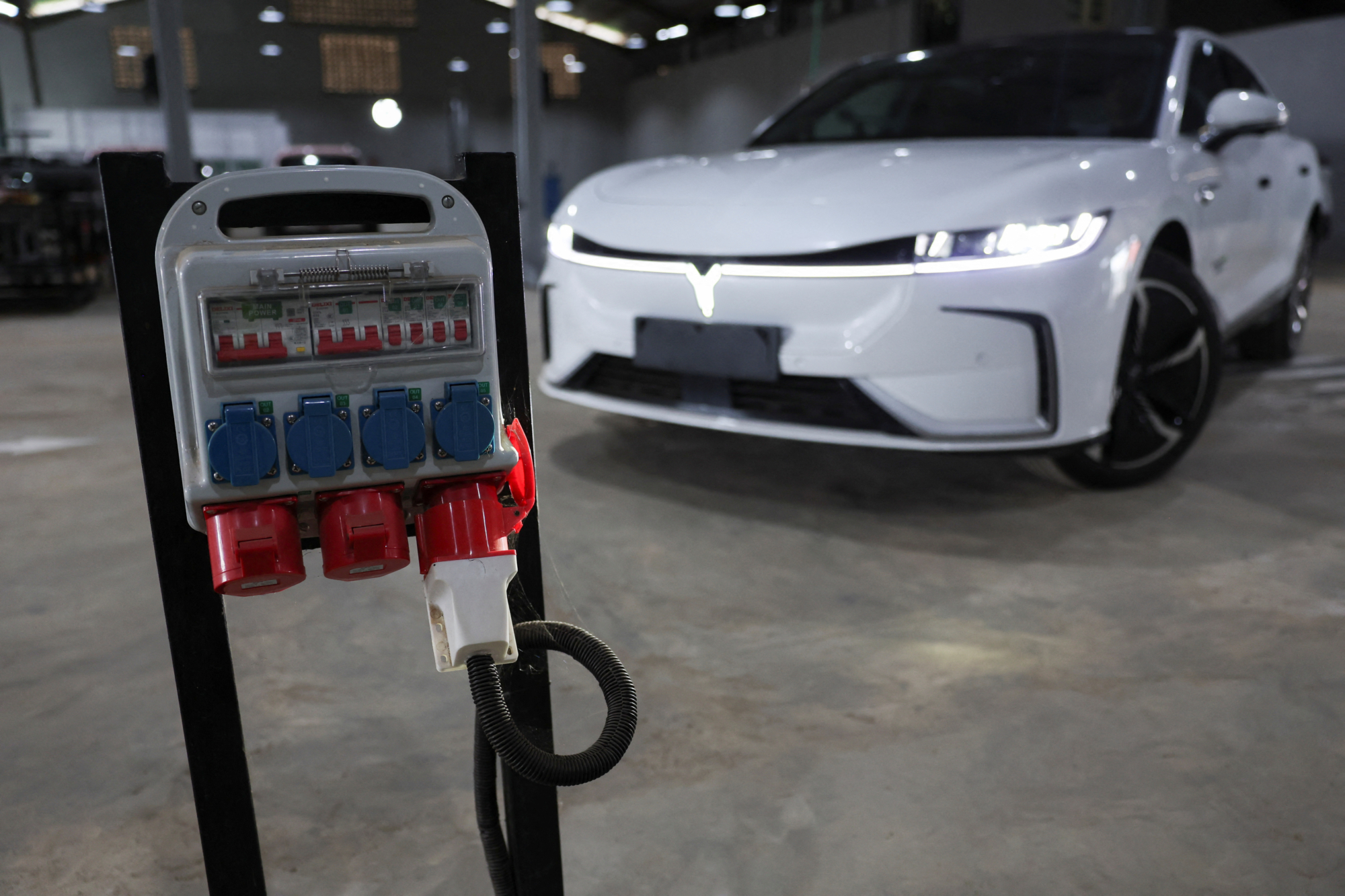
Mobility startups are similarly expanding battery-swapping networks for commercial motorcycles and tricycles, cutting operating costs by up to two-thirds and offering a practical path forward while the national power infrastructure develops.