Trending
Behind the fight over conference dates lies a much larger contest over energy poverty, climate policy, investment and whether Africa will determine its own path to industrialisation.
The dispute between the WPC Energy Congress and African Energy Week is beginning to look like something much bigger than a fight over five days in October.
At its surface, the controversy is straightforward.
Read More : From Ojuelegba Bridge to the Ballot Box
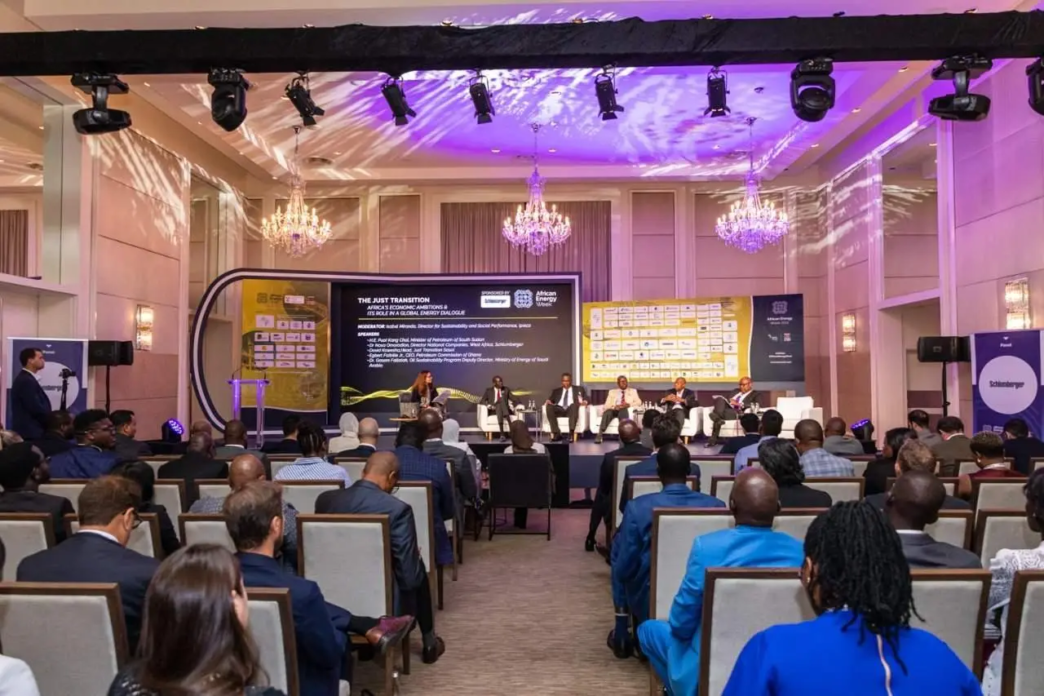
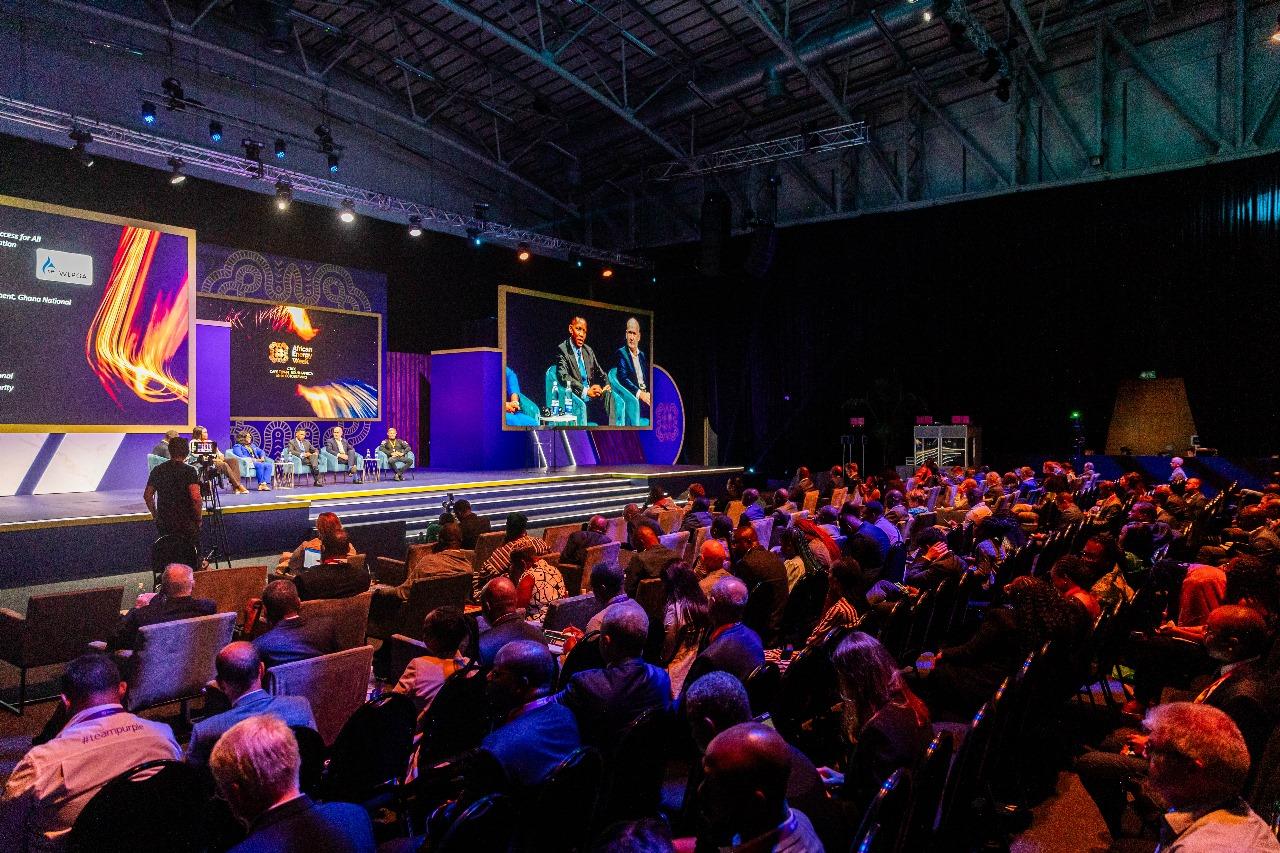
The 25th WPC Energy Congress will take place in Riyadh from October 11–15, 2026, after being moved from its original April window. African Energy Week is scheduled for Cape Town from October 12 to 16.
But beneath that almost complete overlap lies a more consequential question:
Who gets to decide what Africa’s energy future should look like?
That question has been building for years.
Africa sits at the centre of a fundamental contradiction in global energy policy. More than 600 million Africans still lack access to electricity, while nearly one billion lack access to clean cooking, according to the International Energy Agency.
Yet the continent is simultaneously being asked to participate in a global transition designed to reduce dependence on hydrocarbons and accelerate renewable energy deployment.
Few serious African energy policymakers reject renewable energy.
The dispute is over something else.
It is about pace, sequencing, financing and sovereignty.
Should African countries develop their oil and gas resources to expand electricity, industrialise and generate revenues while simultaneously investing in renewables?
Or should they accelerate away from hydrocarbons because climate considerations and global investment trends increasingly demand it? That tension is where the WPC–AEW clash becomes politically interesting.
AEW represents a particular African argument
African Energy Week has positioned itself unapologetically around the proposition that Africa cannot solve energy poverty by abandoning resources it already possesses.
The African Energy Chamber has repeatedly argued that natural gas, oil, refining, electricity infrastructure and renewable energy must all form part of the continent’s development strategy.
Its position is deliberately provocative.
In June, the Chamber argued that developing economies should not be told to produce less energy while hundreds of millions of people remain without electricity.
It has also maintained that Africa cannot eradicate widespread energy poverty without responsibly exploiting natural gas resources.
That message places AEW within a wider African challenge to some assumptions underpinning the international energy transition.
The argument is essentially this:
Europe and North America industrialised using abundant fossil energy.
Africa, responsible for only a fraction of historical emissions, should not now be denied access to its own hydrocarbons before it has achieved universal electricity, manufacturing growth and basic industrial development. That argument is controversial. But it is increasingly difficult to dismiss.
The financing rules are changing
The dispute becomes sharper when money enters the equation.
Several major Western-backed institutions have moved away from financing unabated fossil-fuel development.
The European Investment Bank says it ended financing for unabated fossil-fuel energy projects, including gas, following its 2019 Energy Lending Policy.
The United Kingdom also ended most new direct financial and promotional support for overseas fossil-fuel projects, subject to limited exemptions.
Its 2026 international climate-finance strategy explicitly seeks to reduce global reliance on fossil fuels while expanding investment in clean energy.
The World Bank announced in 2017 that it would stop financing upstream oil and gas after 2019 except in exceptional circumstances, including cases involving energy access in poorer countries.
These policies have an understandable climate rationale.
But from an African perspective, they create another question.
Who determines which energy projects Africa is allowed to finance?
That is where energy transition becomes political economy.
A country may possess gas.
It may have millions of citizens without reliable electricity.
It may consider gas-to-power essential to industrialisation.
Yet the institutions capable of supplying cheap international capital may increasingly regard that infrastructure as incompatible with their climate mandates.
Africa therefore possesses resources but does not necessarily control the financial architecture required to develop them.
Green energy is growing—but the gap remains enormous.
None of this means renewables are somehow the enemy. Indeed, Africa desperately needs more renewable investment.
IEA data show that private-sector clean-energy investment on the continent increased from roughly $17 billion in 2019 to almost $40 billion in 2024.
Falling technology costs mean solar is now among the cheapest sources of new electricity generation in many African markets.
That is good news.
But it remains nowhere near enough to eliminate the continent’s access deficit.
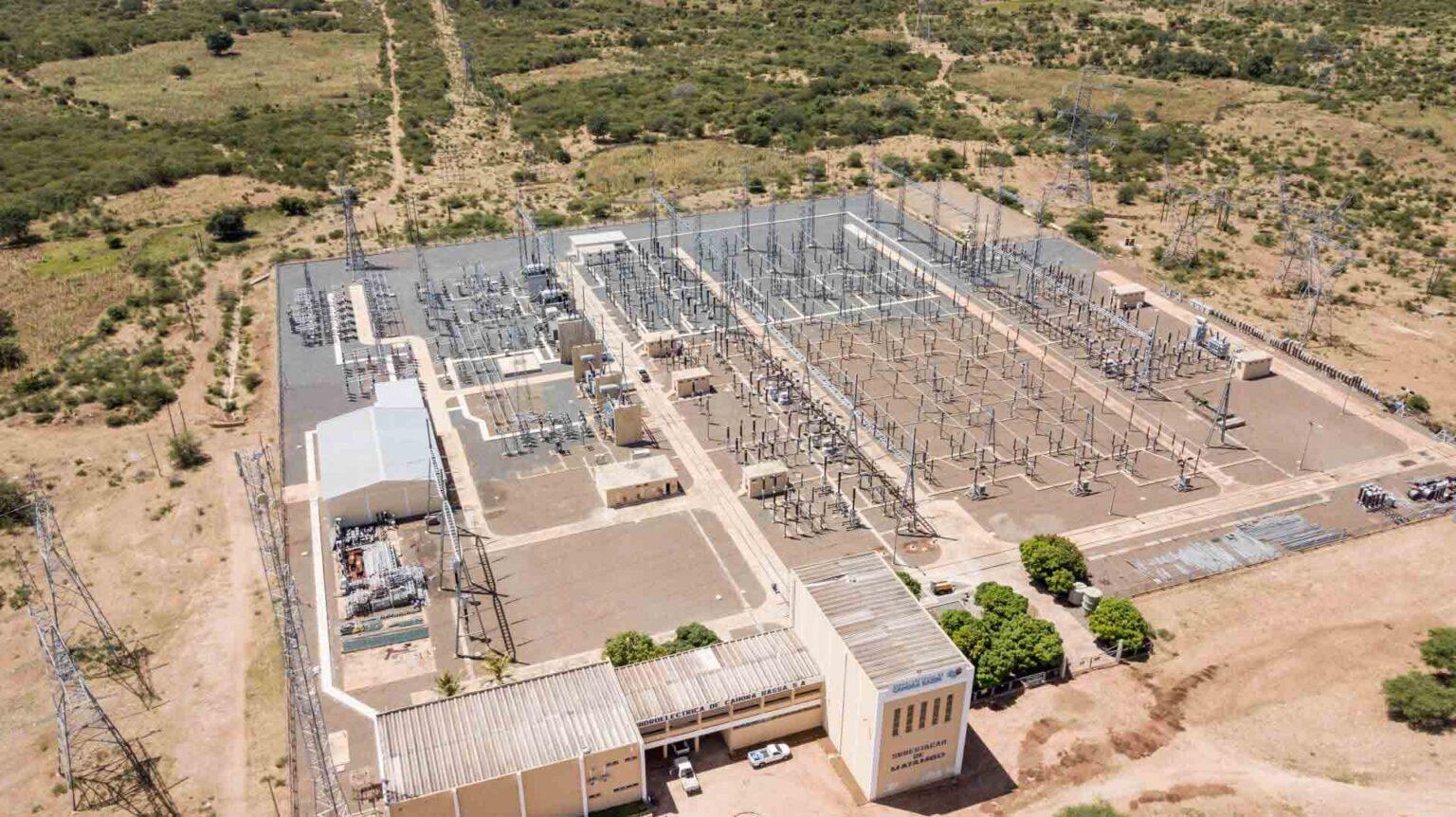
The IEA estimates that achieving universal electricity access will require annual financing of around $15 billion specifically for new access connections and associated infrastructure.
Less than $2.5 billion was committed for new electricity connections in sub-Saharan Africa in 2023.
Africa therefore faces a peculiar reality.
It needs enormous quantities of new energy from virtually every viable source.
Yet much of the international debate remains organised around which technologies it should eventually abandon.
For countries still struggling to keep factories powered, that can appear badly disconnected from everyday economic reality.
This is where the conference clash becomes symbolic.
Seen through this lens, the October collision between WPC and AEW assumes greater significance.
Conference calendars do not determine energy policy.
But conferences determine who gets heard.
They gather ministers.
They convene financiers.
They attract chief executives.
They determine where investment announcements are made and which narratives dominate international media.
A platform therefore possesses influence not merely because people attend it, but because it helps establish the vocabulary through which the industry understands a region.
AEW has increasingly attempted to make energy poverty, African ownership, local content, hydrocarbons, investment and industrialisation central to that vocabulary.
The issue is therefore not merely whether WPC and AEW can coexist.
The question is whether Africa retains enough institutional space to define its own priorities.
But WPC cannot simply be cast as the green enemy.
The politics are more complicated than a simple West-versus-Africa narrative.
WPC itself is hardly an anti-oil organisation.
Its Riyadh programme includes extensive discussion of hydrocarbons, natural gas, energy security and the role of existing resources in transition strategies.
Indeed, the 2026 programme includes a specific discussion on natural gas as a transition fuel for West Africa, while other sessions examine how petroleum-producing economies can combine traditional energy production with decarbonisation.
That makes the conflict more interesting.
The real divide may not be between oil and green energy at all.
It may instead be between who controls the agenda, where that agenda is negotiated and whose development priorities ultimately carry the greatest weight.
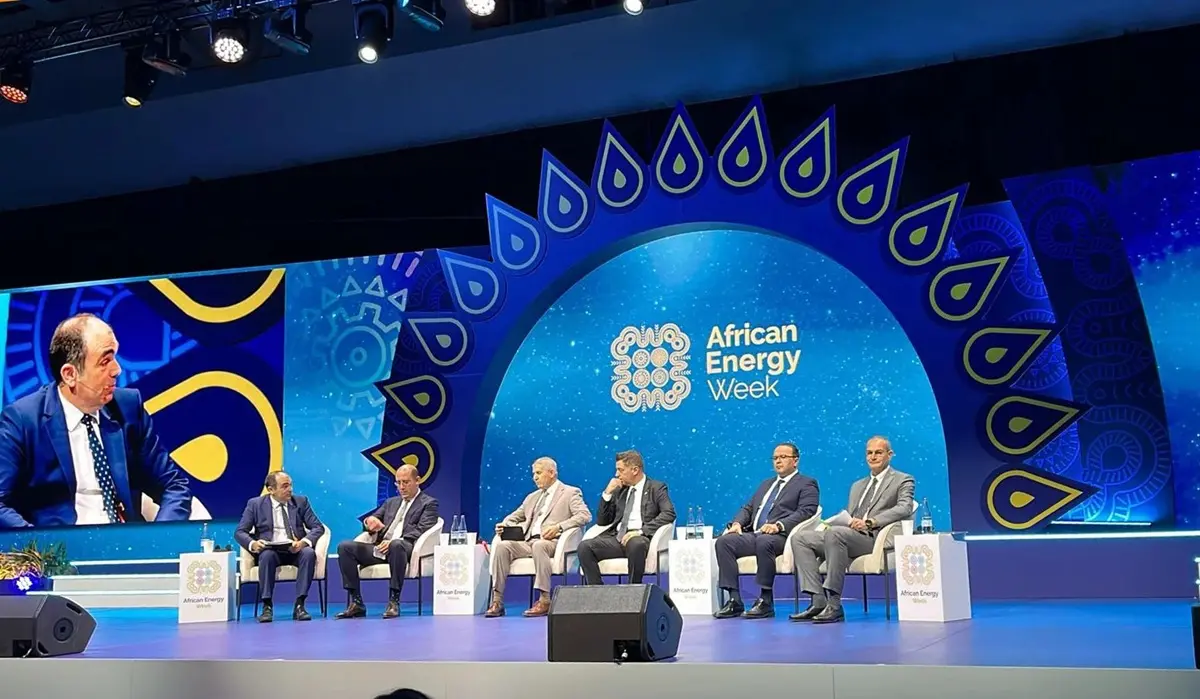
Africa wants more than a seat at the table
For decades, Africa has been told it needs stronger representation in global institutions.
African ministers are routinely invited to major international conferences.
African governments participate in climate negotiations.
African executives speak at global investment forums.
But participation is not the same as agenda-setting. Being invited to someone else’s table is different from owning the table.
That distinction lies at the heart of AEW’s political significance.
The platform represents an attempt to bring governments, global companies, investors and financiers to Africa and organise the discussion around African priorities.
If such platforms remain permanently subordinate to larger international gatherings, Africa may gain visibility without acquiring meaningful institutional authority.
The October clash therefore raises a question considerably bigger than AEW itself.
Can Africa build international institutions powerful enough that the rest of the world must take their calendars, agendas and priorities seriously?
The fight over energy poverty is ultimately a fight over development
The stakes are substantial.
Electricity is not simply another commodity.
It determines whether factories operate, hospitals function, mines expand, data centres invest, and young people find productive employment.
Africa’s energy shortage is therefore inseparable from its industrial deficit.
The continent cannot manufacture competitively without electricity.
It cannot benefit minerals without electricity.
It cannot create large-scale employment while businesses depend on expensive diesel generators.
For many African policymakers, that means the immediate priority is not merely decarbonising existing energy systems.
It is building energy systems that do not yet exist. That distinction is often lost in global debates.
Europe is largely discussing how to replace an established energy system. Much of Africa is still trying to build one.
The policy solutions cannot automatically be identical.
Who writes the final chapter?
That is why the WPC–AEW clash deserves to be viewed through a wider lens.
There is no evidence that an international conspiracy has been organised to destroy African Energy Week.
Such a claim would go beyond the available facts. But there is abundant evidence of a genuine struggle over Africa’s energy choices.
International lenders have financing policies.
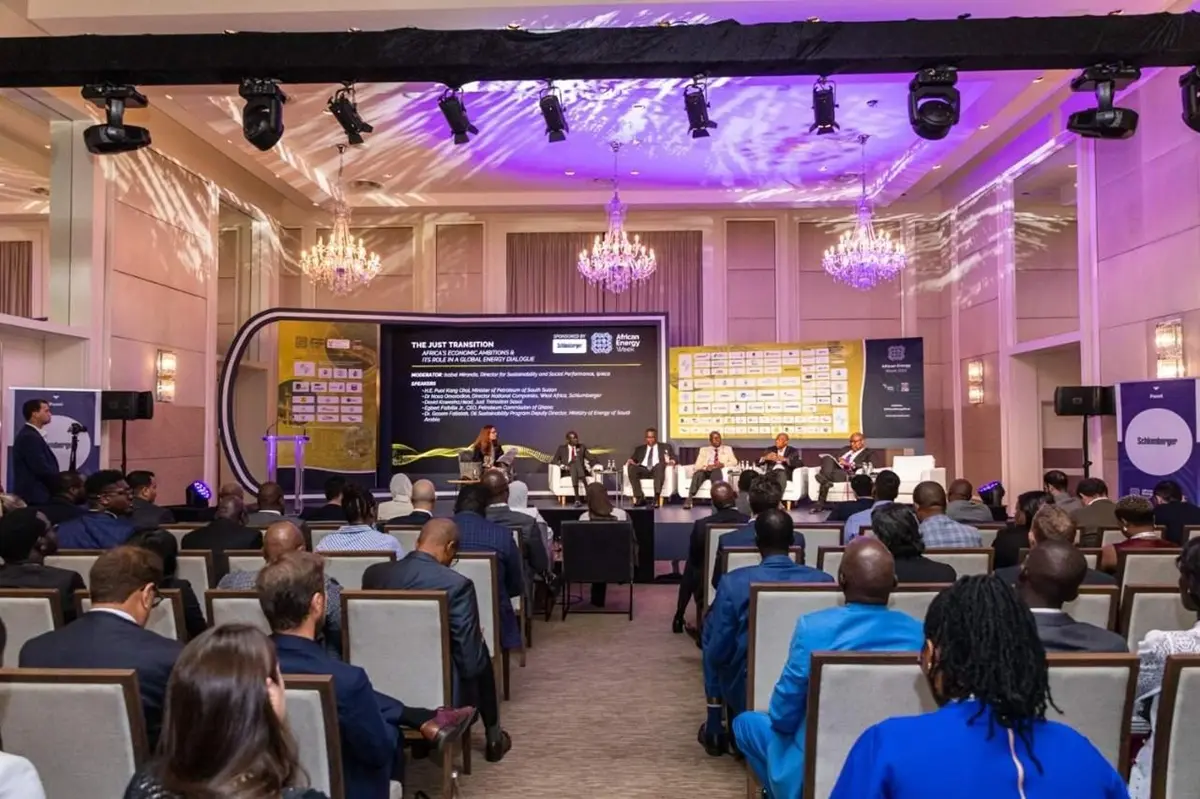
Western governments have climate objectives.
Oil producers have commercial interests.
Renewable-energy companies see enormous opportunities.
Middle Eastern powers are deepening their engagement with Africa.
African governments desperately need electricity, investment and jobs.
Every participant comes to the table with interests.
Africa would be naïve to pretend otherwise.
The critical question is whether it arrives with interests of its own—and institutions strong enough to defend them.
That may ultimately be the most important meaning of the WPC–AEW dispute.
The battle is not merely over who occupies the global energy calendar for four days in October.
It is over whether Africa’s transition will be designed primarily around the priorities of those financing it, those supplying its technology and those consuming its resources—or around the development needs of Africans themselves.
Africa undoubtedly needs renewable energy.
It also needs electricity today.
It needs investment.
It needs industrialisation.
It needs affordable capital.
And it needs the freedom to determine how its resources fit into that equation.
The real contest therefore stretches far beyond Riyadh and Cape Town.
It is a contest over who gets to write Africa’s energy future—and whether Africa will finally insist on holding the pen.