Trending
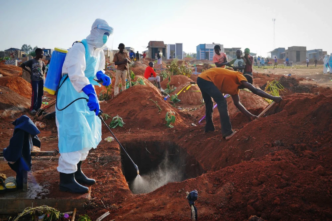
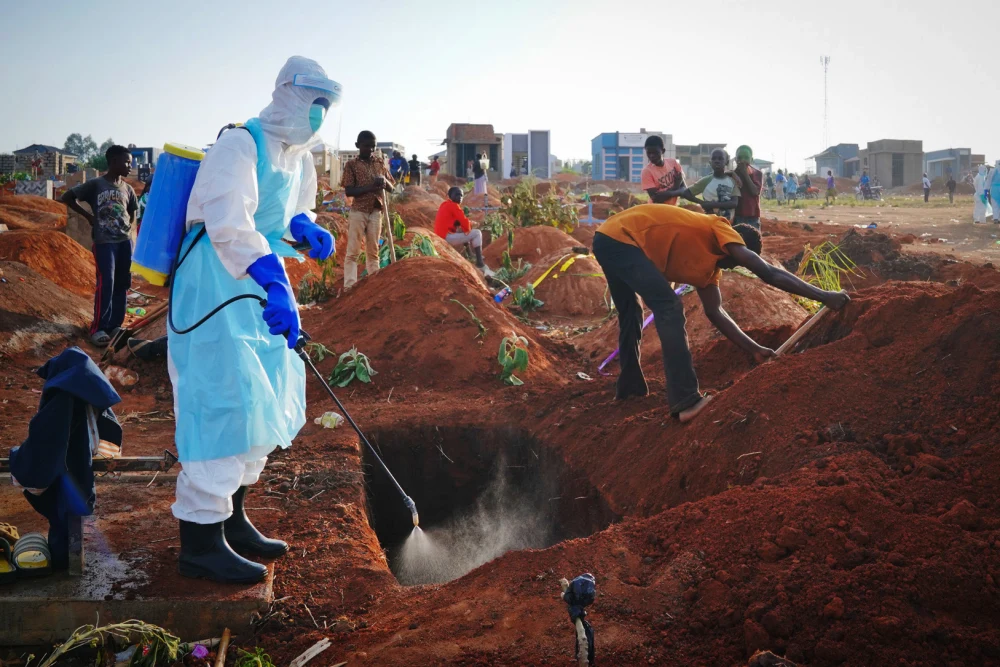
The Democratic Republic of Congo’s Ebola cases have exceeded 5,000, according to the country’s Ministry of Health.
Data from the ministry showed that the country had recorded 5,021 cases, including 2,378 deaths, as of Sunday, with insecurity, displacement and intense population movements worsening the outbreak.
According to the World Health Organisation (WHO), the current Ebola outbreak has infected and killed people at a faster rate than any previous outbreak and is likely to surpass the 2014-2016 outbreak in West Africa, which remains the deadliest Ebola outbreak on record, with more than 11,000 deaths.
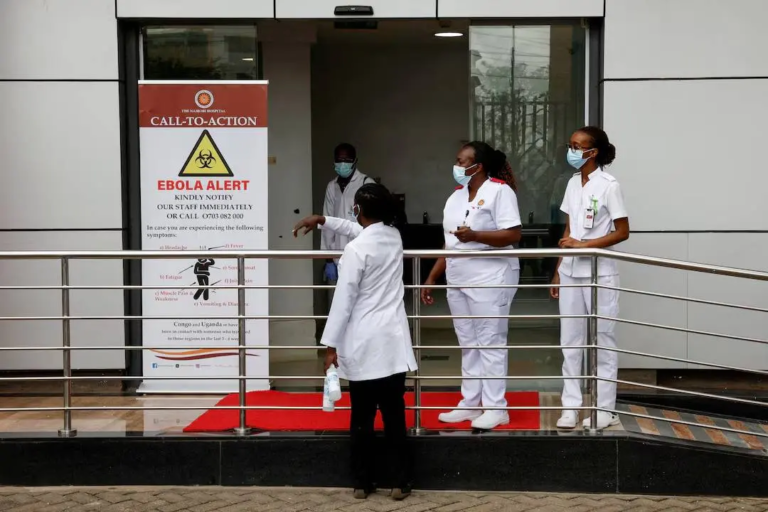
Read More : Kenya Ebola Case Exposes Screening Gaps
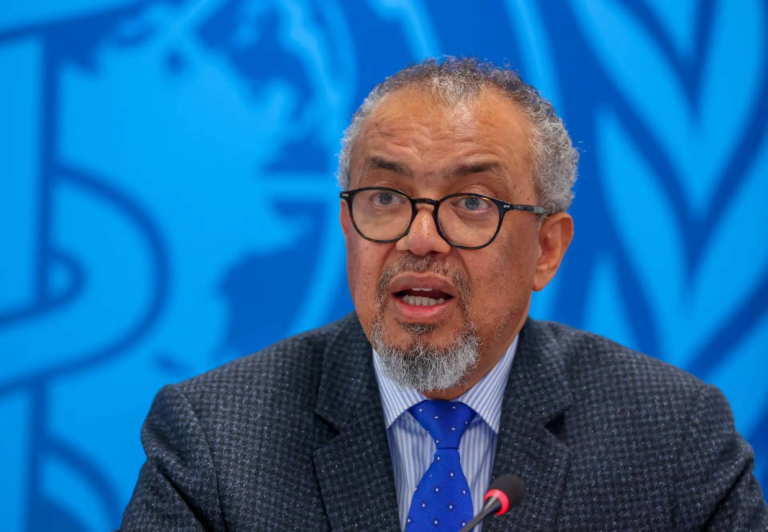
WHO Director-General Tedros Adhanom Ghebreyesus said on Tuesday that the current outbreak “has spread rapidly and the risk of further national and international spread remains high.”
“We must be frank: the epidemic is far from being under control,” he added.
A nurse working in Ituri, one of the worst-hit regions, Thérèse Anyiya, expressed concern over the workload and poor conditions faced by healthcare workers on the front lines.
Several health workers have reportedly gone on strike over unpaid salaries.
“If the managers don’t take things seriously, we too will end up withdrawing. The way this epidemic is being managed is exhausting,” Anyiya told The Associated Press.
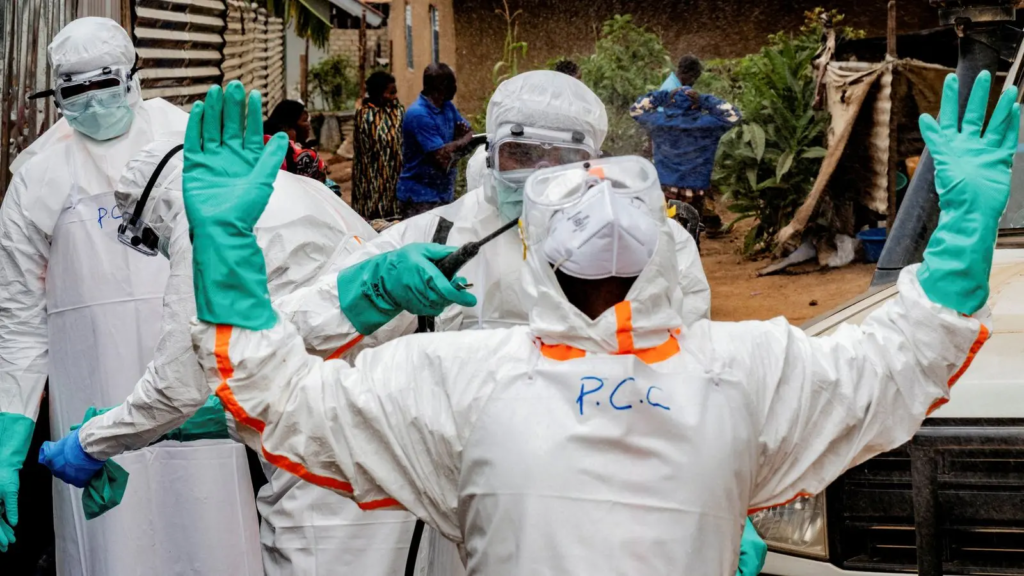
The absence of approved vaccines or treatments for the rare Bundibugyo virus, which is responsible for the current outbreak, has further complicated efforts to contain its spread.
Surveillance teams are struggling to keep pace with rising infections, with new cases being reported among people outside existing monitoring networks.
Misinformation about the outbreak has also fuelled attacks on healthcare workers in Ituri and hindered response efforts.
Residents attacked a health team in the territory of Aru on Monday after a suspected case was reported there.
A mob set fire to an ambulance and damaged two other vehicles, according to Michael Wani, president of the Union of Cultural Associations for the Development of Ituri.
Read More : AU Envoys Meet DR Congo Rebels to Push Peace
Dr Martin Cwinyay, who is involved in the response efforts in Ituri, said it was “essential to bring the response closer to the people, particularly in rural, mining and displacement areas.”
Trish Newport, an emergency coordinator with Doctors Without Borders (MSF), said not everyone in the affected areas had access to essential information about the outbreak.
“The community needs to be aware of the outbreak. They need to be involved in the response. They need to know what the signs and symptoms are and what to do if they get sick,” Newport said.