Trending
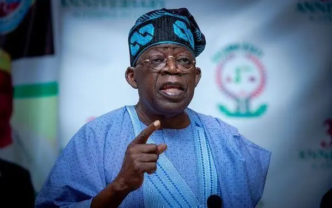
The Nigerian Government has urged a peaceful resolution to the political disputes rocking the Niger Republic and called on the country’s government to restore order.
In a statement signed by Oluwafemi Adeniyi, the Ministry of Foreign Affairs spokesperson, the ministry noted that developments in neighbouring Niger had direct implications for the country and the wider Sahel region.
The statement came a day after mutinous soldiers attacked the airport and presidential complex in Niger’s capital, Niamey, in an apparent challenge to the country’s military government.
“The Government of Nigeria views with deep concern the current political and security situation in the Republic of Niger,” the ministry said.
Nigeria stressed its close ties with Niger, describing the country as a neighbour with which it shares “close historical, fraternal and cultural bonds.”
It said it was “keenly desirous” of seeing peace, security, democracy and development prevail in Niger.
“In this regard, it notes that a peaceful, secure and stable situation in Niger will impact positively and directly on Nigeria, the sub-region and the Sahel,” the statement said.
The Nigerian Government specifically warned against using force to resolve political disagreements.
Nigeria consequently urged Niger’s government and people to work together towards an inclusive political settlement and the restoration of constitutional rule.
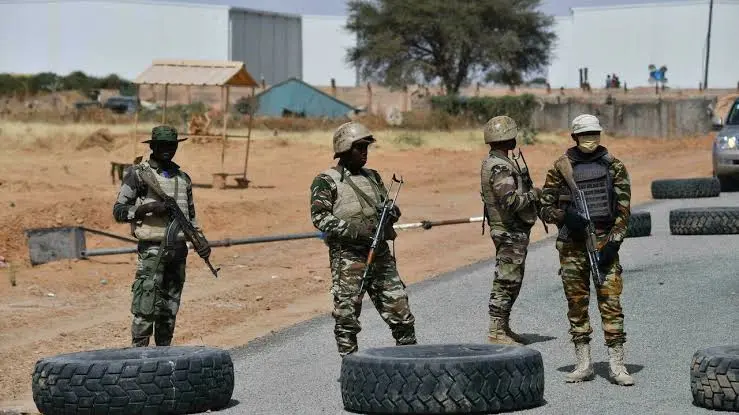
The statement followed an attempted mutiny in Niamey on Saturday in which dissident soldiers attacked strategic locations, including Diori Hamani International Airport and the area around the presidential palace.
Gunfire and explosions were reported in parts of the capital, while state television and radio were temporarily taken off air. Niger’s military government later said the situation was under control.
The unrest represents the most serious reported internal challenge to Niger’s military leadership since General Abdourahamane Tchiani seized power in the July 2023 coup that removed elected President Mohamed Bazoum.
Reports linked the mutiny to discontent among some soldiers over worsening security conditions and heavy losses in the fight against terrorist groups.
Tchiani, who was commander of Niger’s presidential guard before the coup, became head of the military junta after Bazoum was detained.
The coup suspended Niger’s constitutional order and prompted condemnation from regional and international bodies.
The crisis has also significantly altered Niger’s relationship with Nigeria and the Economic Community of West African States (ECOWAS).
Niger, alongside Mali and Burkina Faso, subsequently announced its withdrawal from ECOWAS and moved closer to the Alliance of Sahel States, while its military government also shifted away from traditional Western security partnerships.
The latest instability comes as Niger continues to confront attacks by terrorist groups linked to Islamic State and al-Qaeda affiliates.
The security challenges have contributed to growing tensions within the military, with reports that some soldiers are frustrated by the government’s difficulties in containing insurgent violence.
— Ministry of Foreign Affairs, Nigeria 🇳🇬 (@NigeriaMFA) August 30, 2026