Trending
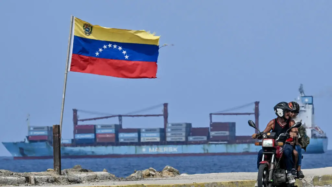
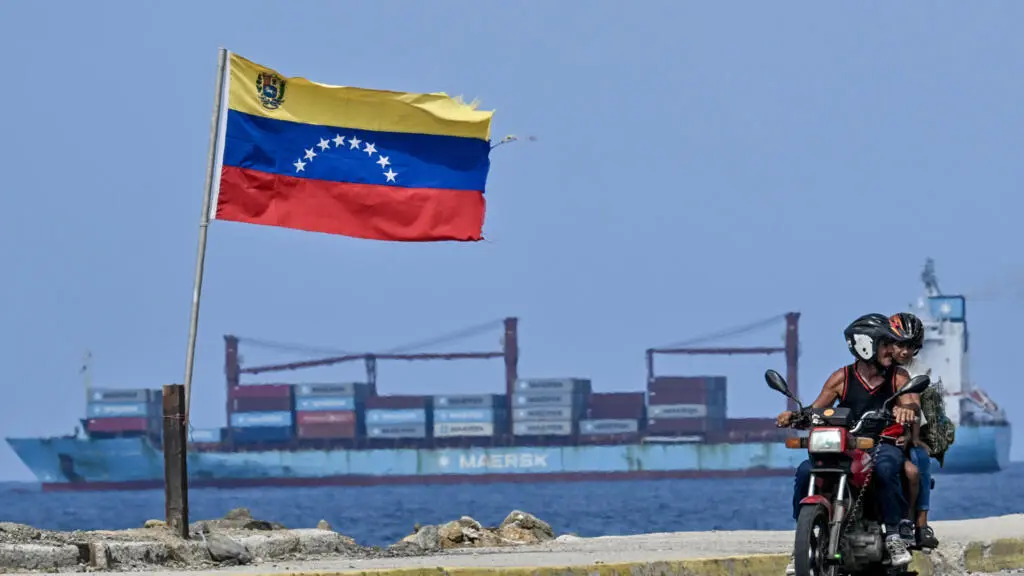
Venezuela has awarded North American Blue Energy Partners (NABEP) 100-year concessions covering 17 oil fields, an agreement that significantly expands U.S. involvement in the country’s oil industry.
Under the arrangement, the US government will receive a 35 per cent equity stake and the right to purchase 20 per cent of production at cost. Washington will also have veto power over board decisions, giving it considerable influence over asset management and operations.
NABEP plans to invest about $100 billion to increase production from the fields. Venezuela, meanwhile, expects the concessions to generate approximately $200 billion in royalties and taxes over the next 25 years.
Read More : Canada Begins Free Trade Talks With Turkey
Officials have presented the agreement as an “America First” victory, arguing it could strengthen US energy security, provide supplies for the Strategic Petroleum Reserve, and support military requirements.
The deal could also alter the balance of foreign involvement in Venezuela’s energy sector. Officials say the arrangement would displace Russian and Chinese operators, potentially reducing Moscow and Beijing’s presence in one of the world’s most resource-rich oil-producing countries while expanding Washington’s influence.
However, the length and terms of the concessions have attracted questions. A 100-year agreement would extend far beyond the lifespan of current governments in both countries, potentially binding future administrations to arrangements negotiated today.
Read More : Poland Faces New Abortion Rights Protests
The combination of a US equity stake, preferential access to part of the oil production and veto rights over board decisions also makes the agreement broader than a conventional investment arrangement.
For Venezuela, the proposed investment offers the prospect of additional capital to increase production and generate substantial government revenue. For the United States, the agreement provides both commercial and strategic advantages in a country with some of the world’s largest proven crude oil reserves.
The scale of the concessions means their impact could extend beyond bilateral energy ties, influencing Venezuela’s relationships with Russia and China and the wider competition for access to global oil supplies.