Trending


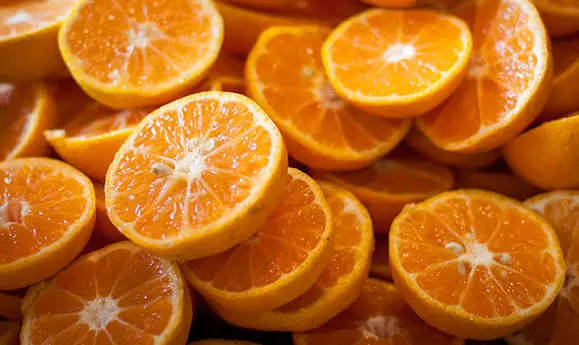
Former Vice President Yemi Osinbajo has described the use of hazardous chemicals in fruit farming as a “dangerous epidemic,” after laboratory tests found his wife’s freshly squeezed orange juice was unsafe for consumption.
Osinbajo shared the experience while speaking at a gardening seminar in Lagos, with a video of his address circulating widely over the weekend.
He recalled that his wife had switched to fresh orange juice daily as a healthier option, but later began suffering from persistent headaches she could not explain.
“After a while, she started having some strange headaches, drinking her fresh juice every day,” Osinbajo said.
She eventually sent a sample for testing, and the results revealed the juice was “not fit for human consumption.”
The former vice president said the case exposed a widespread practice among farmers and traders who use toxic substances to ripen fruits such as bananas, mangoes and tomatoes more quickly or improve their appearance.
Calcium carbide, a chemical that produces acetylene gas when mixed with water, is commonly used for this purpose. It can irritate the skin, eyes and respiratory system.
Osinbajo cited studies showing the scale of the problem. One 2024 study found that half of 20 fruit sellers admitted to using calcium carbide, while another survey estimated usage at 25 per cent among traders.
A 2023 Lagos study also found that more than half of fruit and vegetable retailers surveyed acknowledged using preservatives.
“So, this is almost like an epidemic,” Osinbajo said, naming other dangerous chemicals in use, including gamma-lin-20, sniper, and phosphite, which is a highly toxic fumigant.
“The substances that they named, that they use, aside from calcium carbide, include gamma-lin-20, which, as you know, is poison, sniper, phosphite. Phosphite is a highly toxic fumigant.”
Osinbajo said the findings underlined the need for stronger regulation and enforcement, as well as public education on safer alternatives.
“The fact that fruit looks fresh doesn’t mean it is safe, and the fact that a drink is natural doesn’t mean that something dangerous has not been added to it along the way, especially along the journey from the farm to the table,” he said.
“So, this calls for stronger regulation, stronger enforcement. It also calls for greater public awareness,” he said.
He urged consumers to question sellers, inspect produce and report suspicious practices.