


 Trending

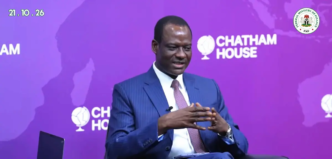
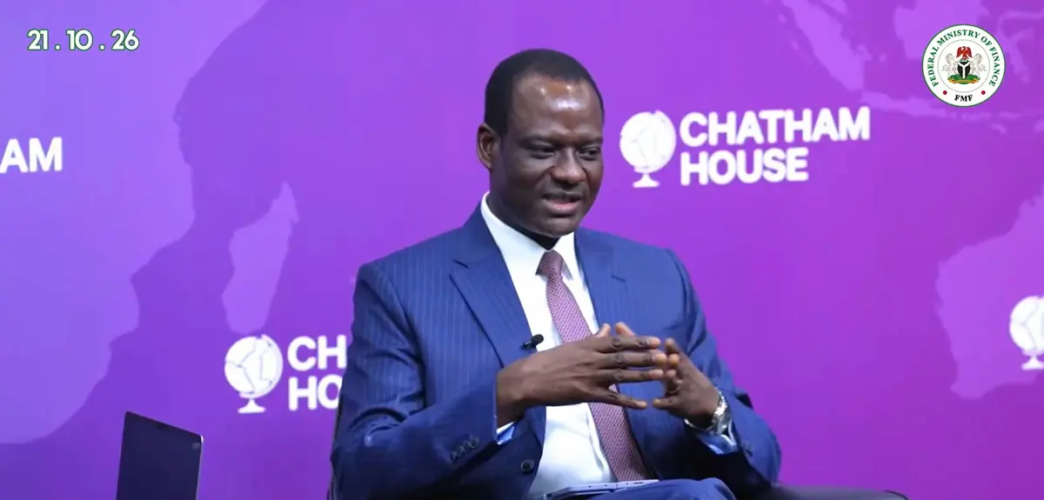
Nigeria’s Finance Minister Taiwo Oyedele has said that exaggerated negative perceptions and a “single story” about the country are costing the nation billions of dollars annually in lost investment and higher borrowing costs.
Oyedele argued that the “prejudice premium” and “stereotype tax” attached to Nigeria’s risk profile are detached from its actual economic fundamentals.
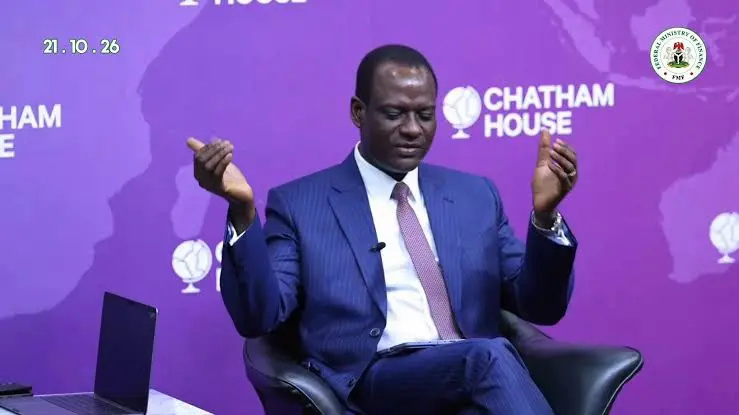
“We call it the narrative cost. The prejudice premium and the stereotype tax we are paying is huge in Nigeria. It’s in billions of dollars every year,” Oyedele said this while speaking at Chatham House in London on Wednesday
Read More : NDC to Launch National Campaign Council Monday
“It’s costing not only government, it’s costing the small business owner, the large business; it’s costing jobs.”
The minister said investors often cite infrastructure, security, and the court system as risks, but noted that data gaps and a consistent focus on negative stories amplify these fears.
“If only people can think clearly and see that each time they go on the internet to spread something that is wrong and negative about their country, that it’s affecting the price of bread on their dining table, maybe people will start thinking twice,” he said.
Oyedele noted that the lack of reliable domestic data has forced international rating agencies to rely on external estimates, which impacts Nigeria’s credit rating and the cost of borrowing.
“Something as important as the tax to GDP ratio is not produced by the government,” he said, noting that the World Bank and IMF estimates are used instead, resulting in a lower credit rating and reduced fiscal space.
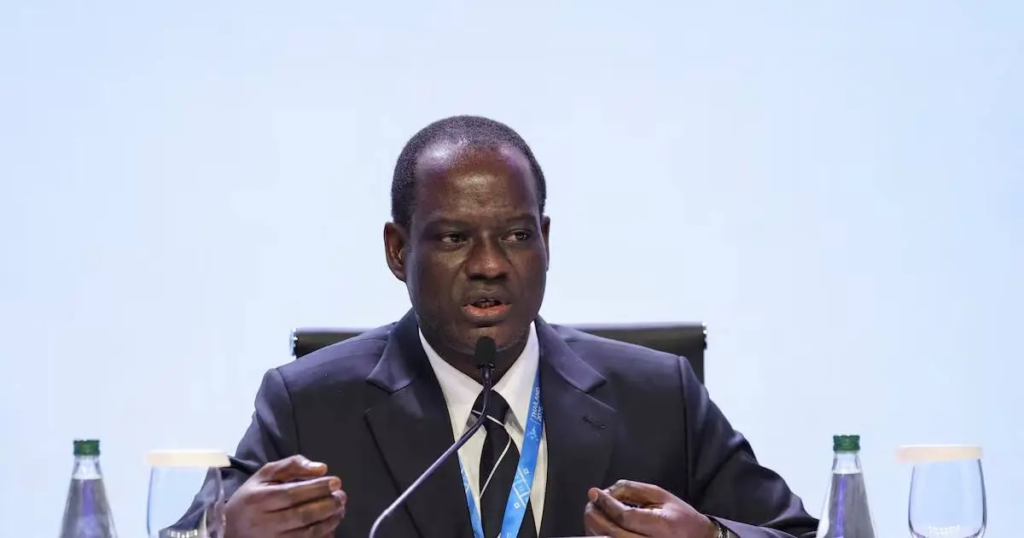
Credit: TimesLive
“That then determines how much we pay to borrow. Because we are paying so much to borrow, it takes away our fiscal space that we’re supposed to use to provide roads, education, and health.”
He said the government was now publishing its own data on the Ministry of Finance website to correct the narrative and build trust.
“We want to tell our story. We want everybody to reference the Federal Government of Nigeria according to the Federal Ministry of Finance, not according to anyone else. We will own the data. It will be credible. It will be available,” Oyedele said.
He also addressed the push for an African rating agency, noting it was a good starting point but that trust would take time to build.
“If an investor in London here or in New York or in China wants to invest, who do you think they will trust? S&P, Moody’s, Fitch or the African Rating Agency?” he said.