Trending

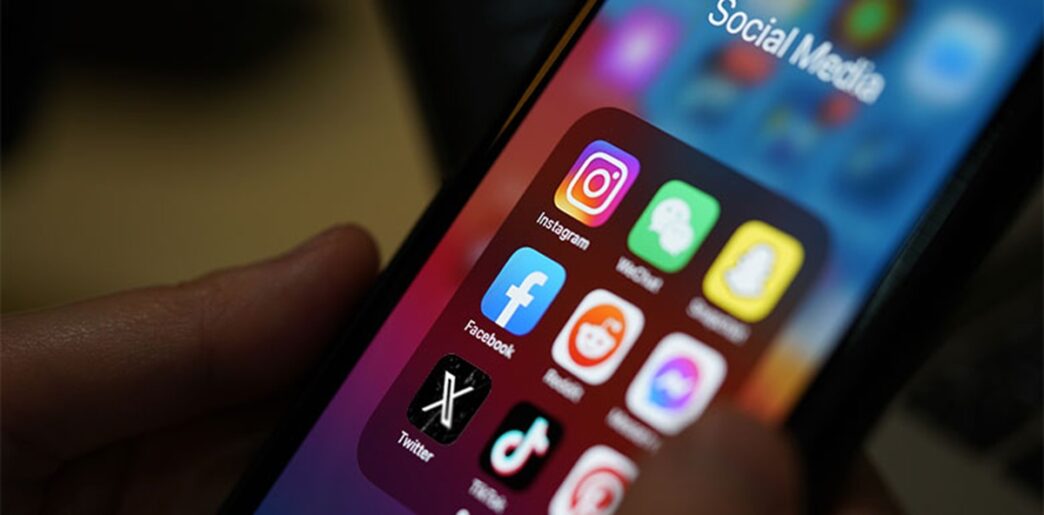
The European Union (EU) has proposed banning social media access for children under 13 under new plans announced on Wednesday.
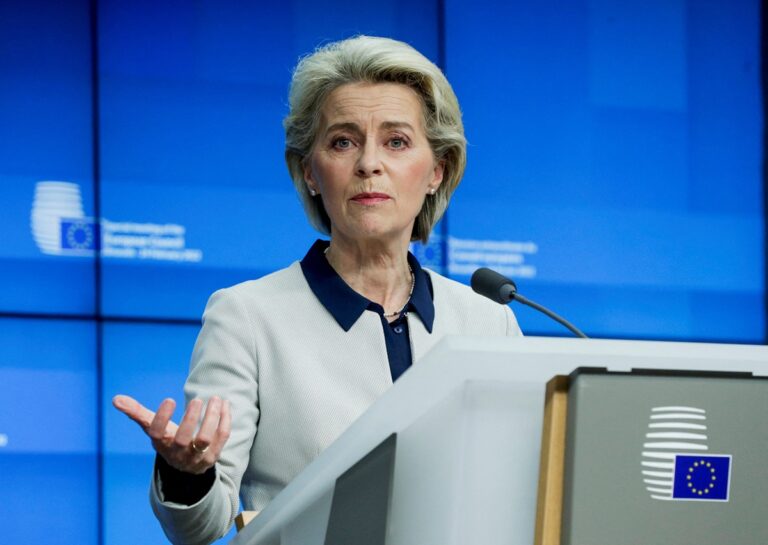
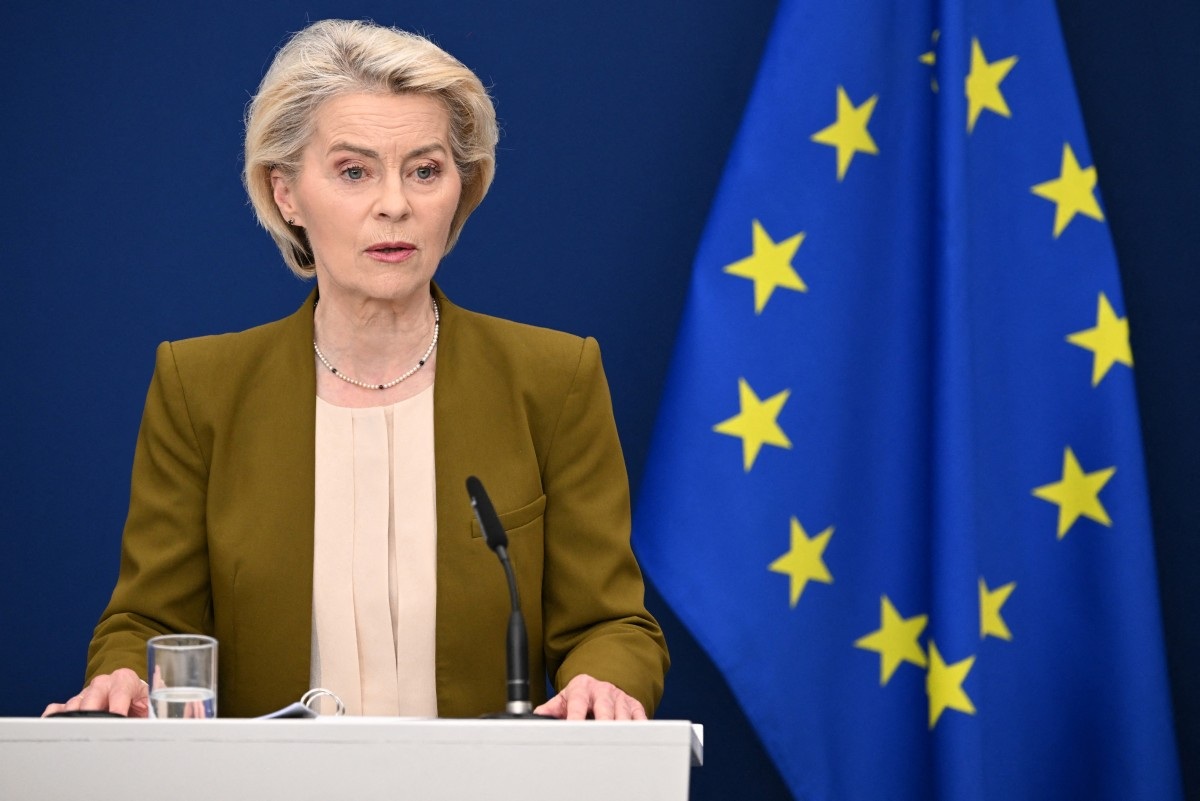
EU Commission President Ursula von der Leyen announced the proposal during her annual State of the Union address in Strasbourg, France.
Under the plan, children aged 13 to 14 would only have limited social media access. They would use supervised accounts created by parents or guardians.
The accounts would also have limited features and a one-hour daily time limit. For teenagers aged 15 to 17, platforms would be required to use safer designs.
“No social media under the age of 13. No personal account under the age of 15,” von der Leyen said.
The proposal comes following growing concerns about the impact of social media on children’s physical and mental health.
Von der Leyen also highlighted the case of Olea, a 14-year-old Belgian girl who died by suicide after being bullied.
Her mother said she believed her daughter would still be alive without social media platforms.
The European Commission and EU Tech chief Henna Virkkunen will formally present the proposed “KIDS Act” on Thursday.
The draft legislation would also target addictive features such as infinite scrolling.
Platforms that violate the rules could face fines of up to six percent of their annual turnover.
“Europe has the power to act. It is we who decide our rules, not big tech,” von der Leyen said.
According to draft legislation seen by AFP, the EU is also considering restrictions on online games and AI chatbots.
The bloc has faced pressure from countries including France, Denmark and Greece to strengthen protections for children online.
However, digital rights groups have raised concerns about privacy and the practical use of age-verification technology.
European consumer organisation BEUC warned that age verification could create serious privacy and data protection risks.
The proposal will still require negotiations between EU member states and the European Parliament before it can become law.