Trending


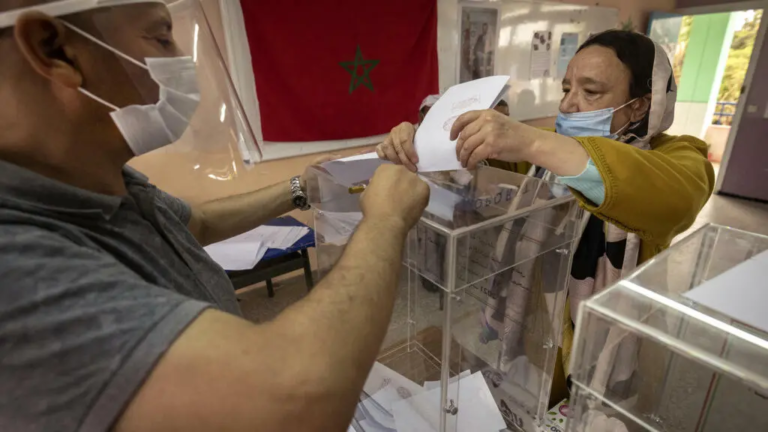
Provisional results from Morocco’s parliamentary election show the ruling coalition’s leading parties securing a strong position, although voter turnout remained low.
Wednesday’s election recorded a turnout of about 38 percent among nearly 16 million registered voters, making it the lowest since 2007, when turnout stood at 36.8 percent.
The low participation came against a backdrop of growing socioeconomic concerns, particularly among young Moroccans.
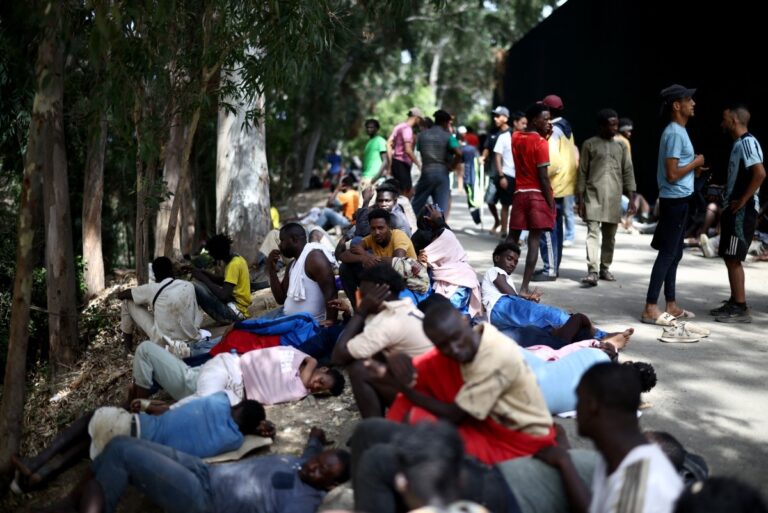
Weeks before the election, thousands of migrants attempted to cross into the Spanish enclave of Ceuta, in an episode that reflected frustrations over economic and social conditions.
Although Morocco has recorded economic growth and is undertaking major infrastructure projects ahead of co-hosting the 2030 FIFA World Cup with Spain and Portugal, many young people still worry about jobs, living costs, healthcare and education.
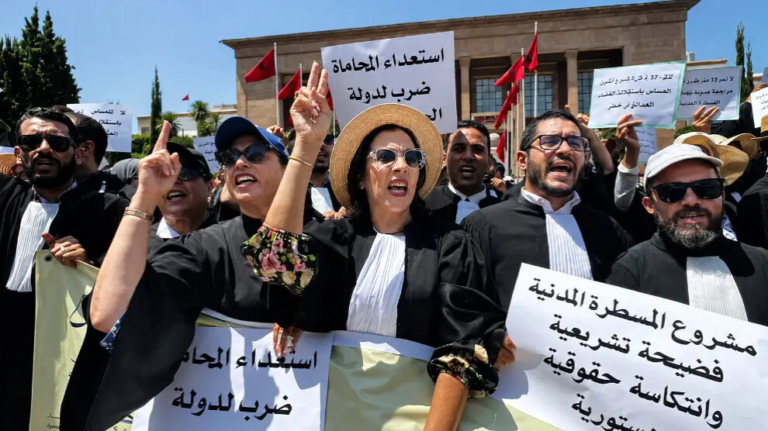
The election also came a year after a Gen Z-led protest movement took to the streets to demand improvements in healthcare and education.
The centre-right Authenticity and Modernity Party (PAM) won 97 of the 395 seats in the House of Representatives, while the National Rally of Independents (RNI), which heads the outgoing coalition, secured 66 seats.
With no party winning an outright majority, PAM will need to negotiate with other parties to form a governing coalition.
The next head of government, whom King Mohammed VI will appoint, is expected to come from PAM, as the party emerged as the largest bloc in the House of Representatives.
Politics And Football
One figure being discussed as a possible candidate for Morocco’s next prime minister is Fouzi Lekjaa, the PAM politician who serves as budget minister and president of the Royal Moroccan Football Federation.
Lekjaa has gained prominence through Morocco’s recent football achievements and the country’s preparations to co-host the 2030 FIFA World Cup with Spain and Portugal.
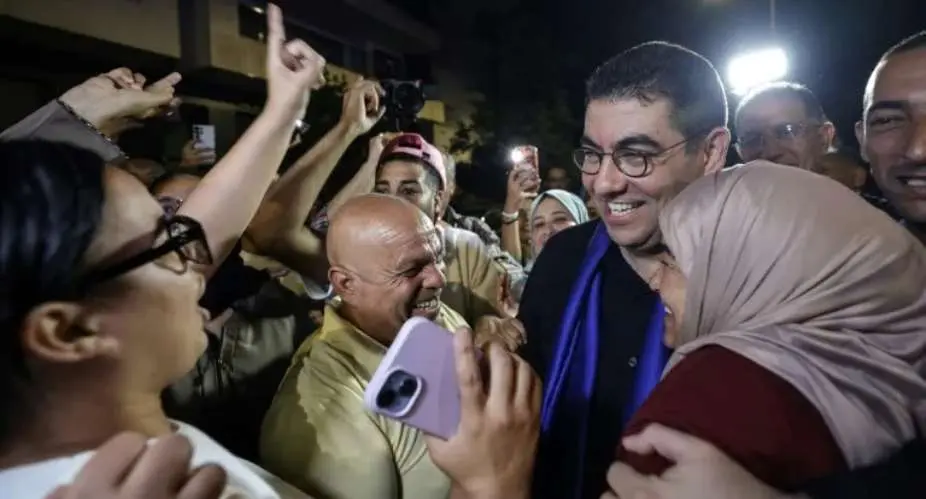
Another potential contender is PAM leader and Territorial Planning Minister Fatima Ezzahra El Mansouri, who could become Morocco’s first woman to head the government if appointed.
PAM campaigned on an economic programme that includes average annual growth of five per cent, inflation of two per cent and the creation of at least one million jobs over five years.
The party was founded in 2008 by Fouad Ali El Himma, a royal adviser, and emerged as a political counterweight to Morocco’s Islamist movement.
In the September 23 parliamentary election, PAM secured 97 of the 395 seats, followed by the National Rally of Independents (RNI) with 66 and Istiqlal with 65, according to AFP.
The Justice and Development Party (PJD) won 54 seats, up from 13 in 2021.
The PJD campaigned on issues including corruption, purchasing power, youth unemployment and public services such as healthcare. Its leader and former prime minister, Abdelilah Benkirane, also alleged irregularities at some polling stations after the vote, although the material provided did not address those claims.
Development At ‘Two Speeds’
Economic inequality, unemployment and access to public services were among the issues that featured prominently in the election campaign.
The concerns have also been central to recent youth-led protests in Morocco, including demonstrations that criticised the government’s handling of public services and called for greater investment in healthcare and education.
During last year’s protests, young demonstrators contrasted government spending on major sporting projects with the condition of public hospitals, using the slogan, “We want hospitals, not just stadiums.”
Morocco has invested heavily in infrastructure, including stadiums, high-speed rail and airport renovations, as it prepares for major international sporting events.
At the same time, the country continues to face regional and social disparities, while youth unemployment remains a significant concern. The Associated Press reported that youth unemployment reached 37 per cent in 2025.
Following the protests, King Mohammed VI criticised what he described as development occurring at “two speeds,” highlighting concerns about disparities in access to economic opportunities and public services.