Trending
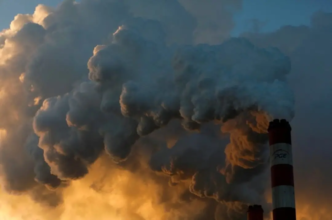
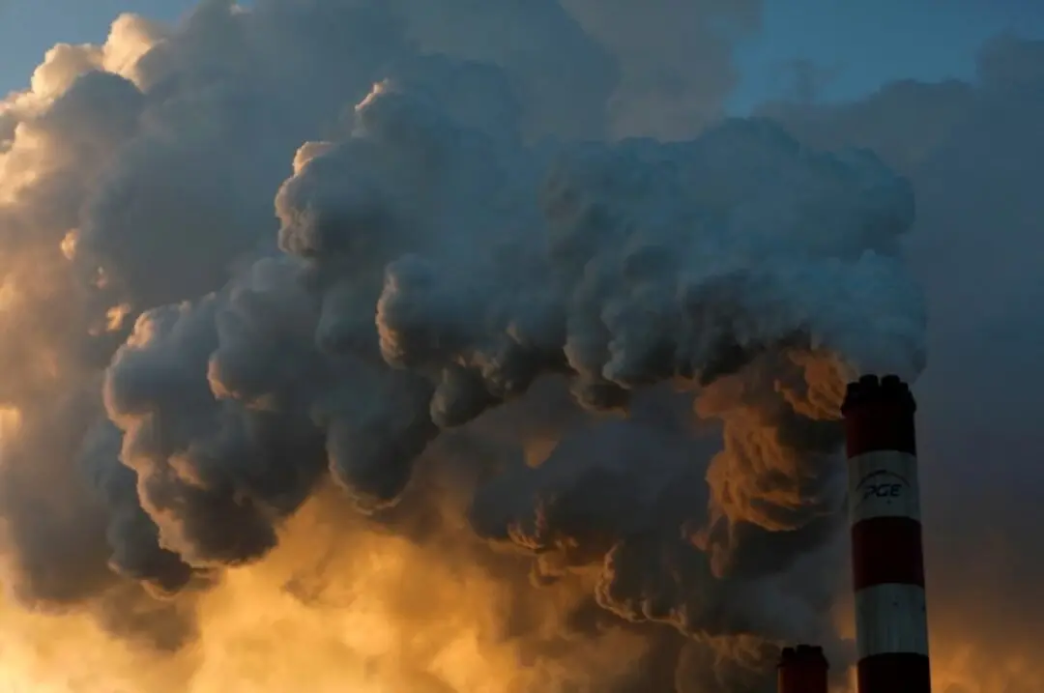
Heatwaves, intense wildfires, and human-caused emissions combined during the first eight months of 2026 to expose a third of the global population to extremely poor ozone pollution, according to a report released Wednesday by the European Union’s Copernicus Atmosphere Monitoring Service (CAMS).
Ground-level ozone—a dangerous pollutant formed when sunlight and heat react with emissions from vehicles, industry, and fires—causes severe health issues, including asthma attacks and lung damage.
Climate change continues to fuel the extreme heat and fires that accelerate ozone formation, offsetting decades of industrial emission cuts across Europe and North America.
Read More : Bangkok Declares Flood Disaster Across City
Satellite tracking from CAMS revealed that 34 per cent of the global population breathed air with ozone concentrations far exceeding World Health Organisation health guidelines between January 1 and September 15.
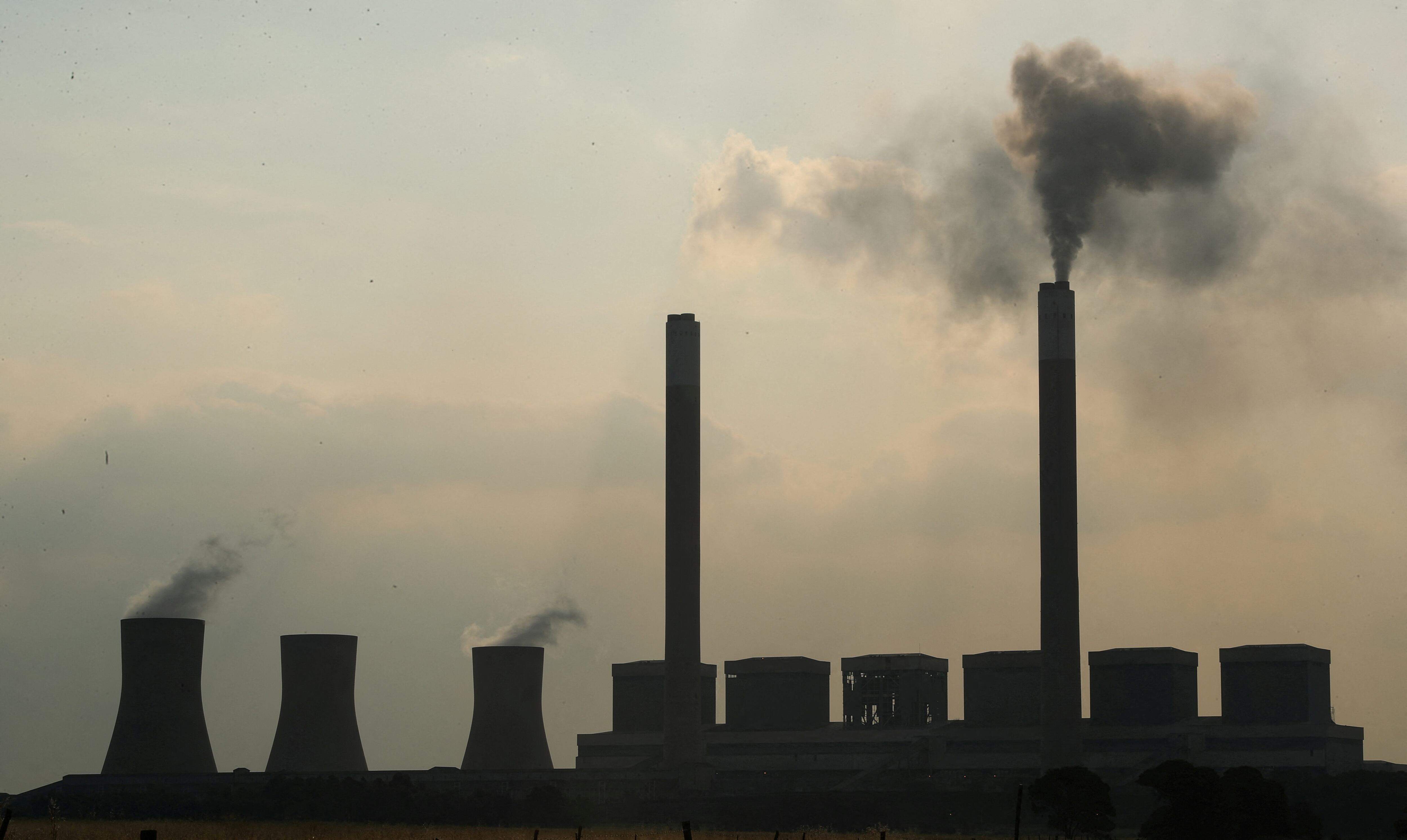
Asia suffered the heaviest burden, with 53 per cent of its population exposed to extremely poor air quality due to rapid industrialisation, heavy traffic, and crop burning in major urban centres like New Delhi, Dhaka, Chongqing, and Lahore.
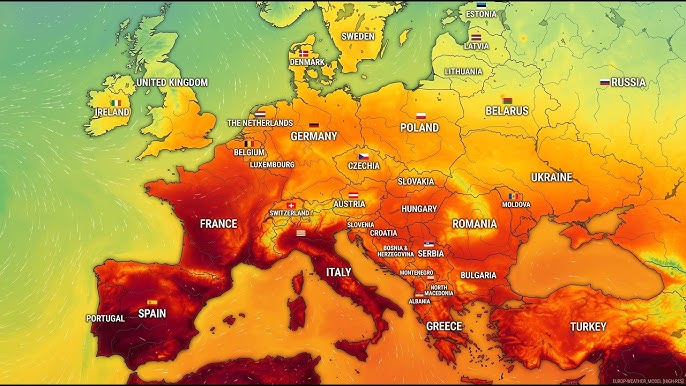
North America and Europe also saw significant exposure, with two-thirds of North Americans and 45 per cent of Europeans breathing poor or very poor air as smoke from severe wildfires crossed international borders.
“Air pollution does not stop at borders,” noted CAMS director Laurence Rouil in the report, emphasising that pollutants travel thousands of kilometres across oceans and continents.
While Oceania enjoyed clean air, other regions faced rising threats from agricultural burning, industrial growth, and the warming El Niño climate pattern.
European Environment Agency official Ian Marnane highlighted the human cost, linking persistent ground-level ozone pollution to roughly 60,000 premature deaths each year in Europe alone.