


 Trending

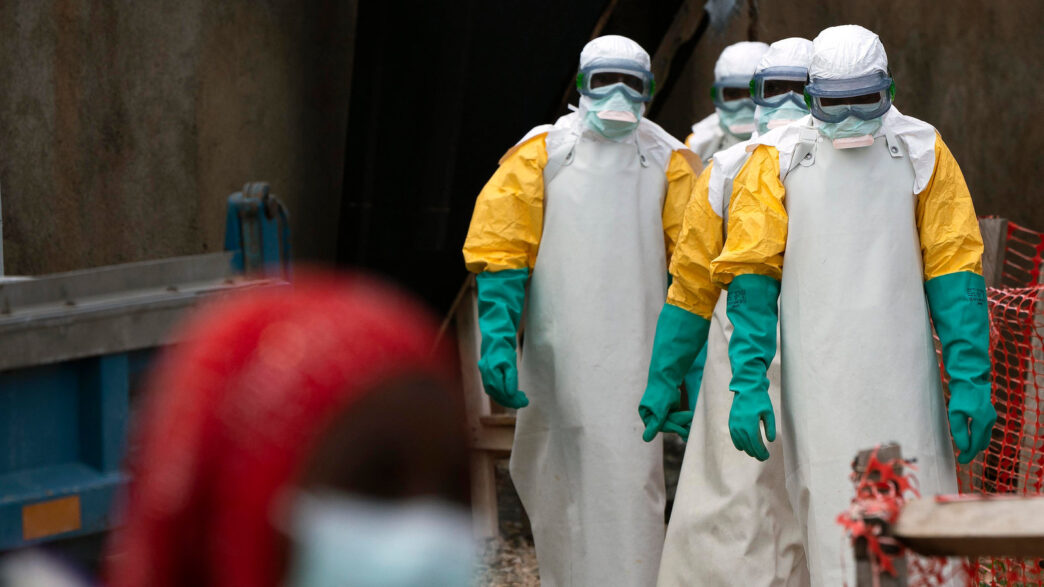
Nigerians have been advised to watch out for the warning signs of Ebola and follow public health precautions following reports of a confirmed case in Abuja.
The Nigeria Centre for Disease Control and Prevention outlined the symptoms and preventive measures in its Case Definitions for Ebola Viral Disease (Version 2), published on Sunday, May 31, 2026.
A check of the agency’s website showed that no new advisory had been published at the time of filing this report.
Read More : Suspect Reveals Trick Used to Steal ATM PINs
Warning signs of Ebola
1. Sudden fever
A sudden onset of fever is one of the key signs in the NCDC’s case definition for suspected Ebola infection.
2. Other symptoms
According to the NCDC, a suspected case may involve fever accompanied by at least three other symptoms, including headaches, lethargy, loss of appetite, muscle or joint pain, stomach pain, difficulty swallowing, vomiting, difficulty breathing, diarrhoea or hiccups.
3. Unexplained bleeding
Unexplained bleeding is another warning sign. The NCDC’s criteria include such bleeding in a person who has travelled to the Democratic Republic of the Congo, Uganda or another country reporting Ebola within the previous 21 days.
4. Recent travel or contact with infected people
Travel and exposure history are important when assessing a possible case. The NCDC considers the 21 days before symptom onset, including travel to affected countries, contact with a confirmed or probable case, and contact with sick or dead animals or bushmeat.
5. Unusual illness or unexplained deaths
The NCDC urges communities to report fever that does not respond to treatment for common illnesses in the area, bleeding, bloody diarrhoea, blood in the urine or any sudden or unexplained death.
Such cases should be reported to a surveillance team or the nearest health facility.
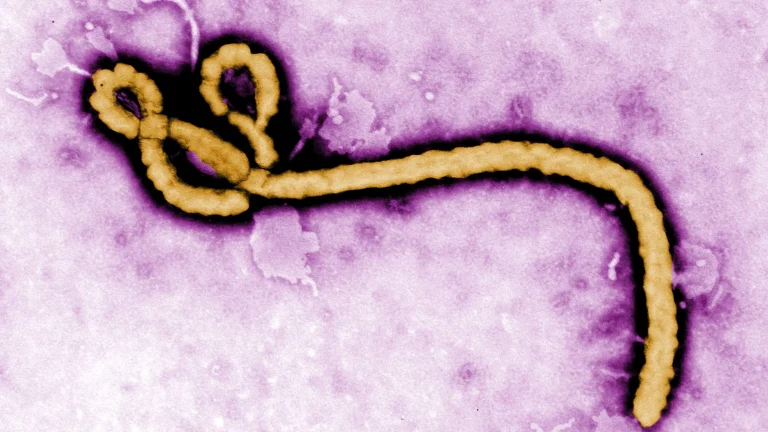
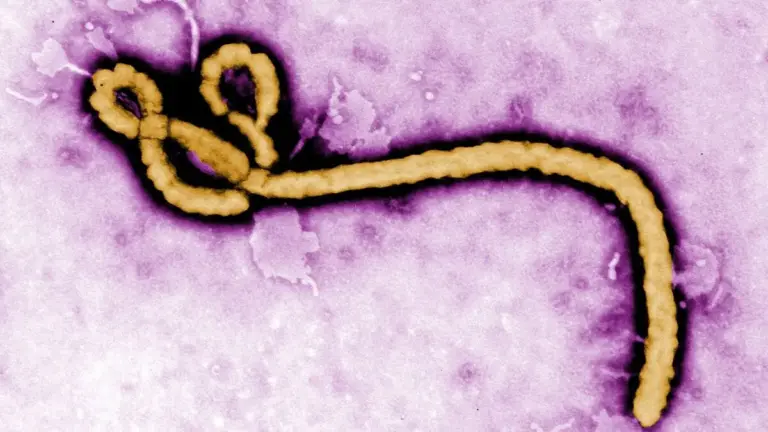
Credit: CDC
How to protect yourself from Ebola
6. Maintain good hand hygiene
Wash your hands regularly with soap and water or use an alcohol-based hand sanitiser to reduce the risk of infection.
7. Avoid contact with body fluids
Do not come into contact with the blood or other body fluids of anyone who is ill. Avoid touching the body of a person who has died from an unknown illness.
8. Avoid unsafe contact with wild animals and bushmeat
Do not handle sick or dead wild animals. Avoid eating raw or inadequately cooked bushmeat.
9. Seek medical attention promptly
Anyone who becomes ill, particularly after travelling to an affected country or having contact with a suspected or confirmed case, should seek medical attention immediately.
The NCDC advises people to provide health workers with accurate information about their travel history and possible exposure.
Suspected cases can be reported through the agency’s toll-free line, 6232, which operates 24 hours a day, seven days a week.
10. Follow verified public health information
The NCDC advises Nigerians to rely on official public health authorities for accurate information and avoid spreading unverified reports.
Early reporting of suspected cases and adherence to public health guidance can help health authorities respond promptly and limit the spread of infection.