Trending

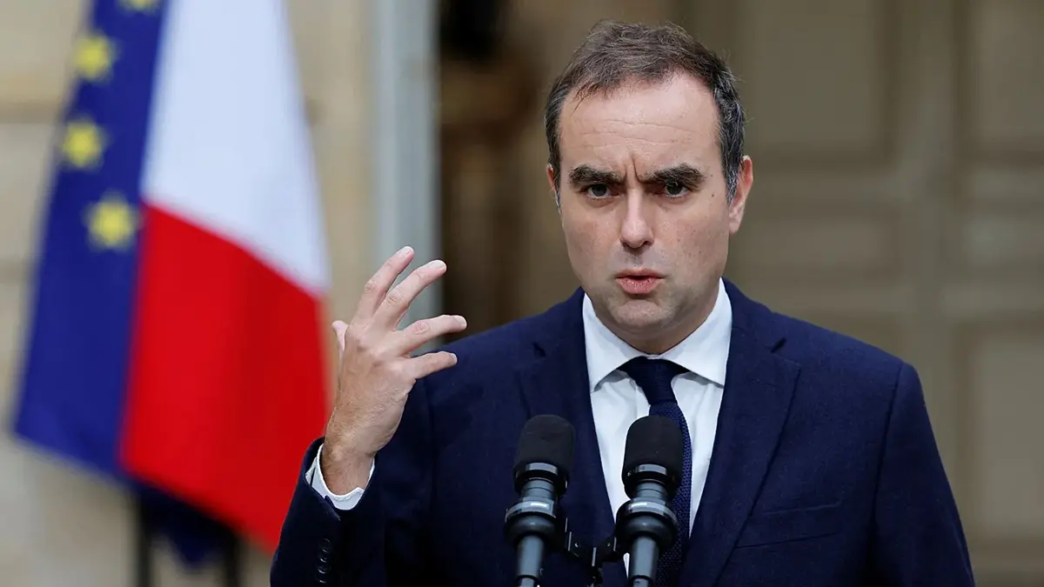
French Prime Minister Sébastien Lecornu will meet union leaders on Wednesday as authorities prepare for new protests following a weekend of unrest that descended into some of the country’s worst riots in years.
Lecornu has promised a major police presence for demonstrations planned for Saturday by the Yellow Vest movement.
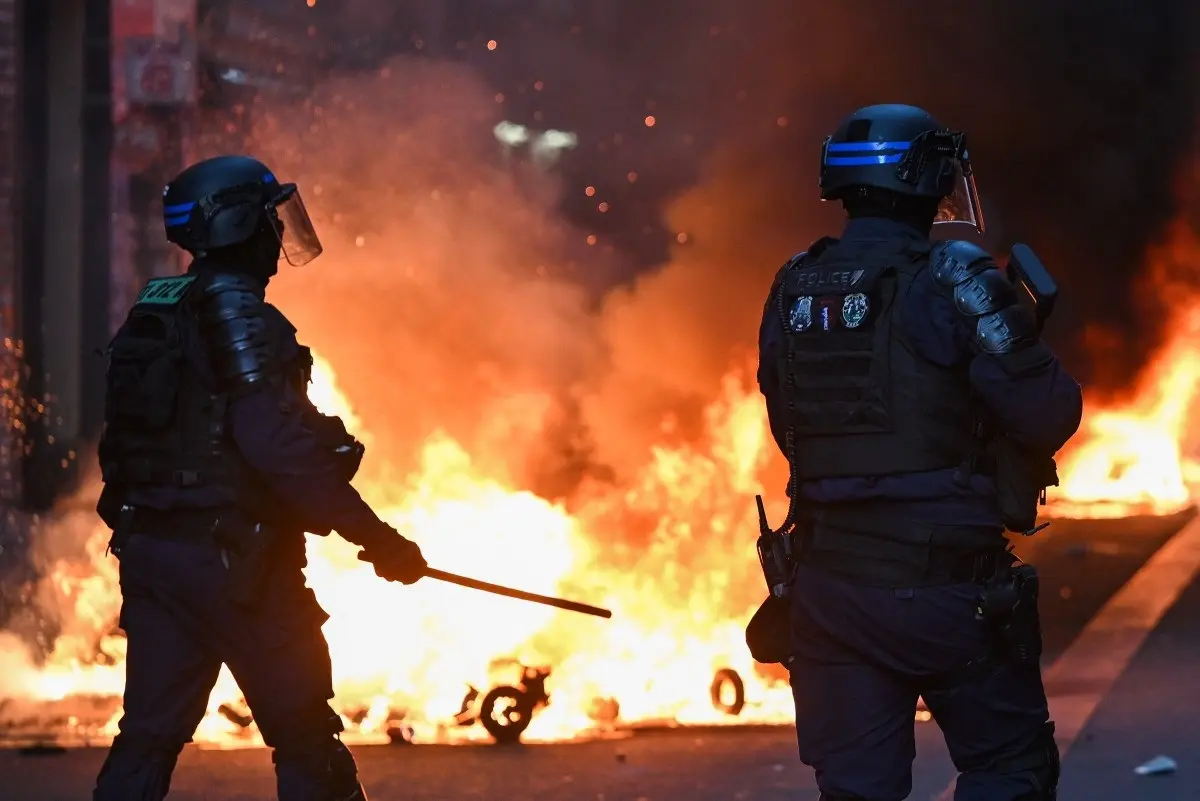
The government has acknowledged that security forces lost control of the situation during last weekend’s nationwide protests over high inflation, which escalated into clashes, damage to public buildings and looting.
Read More : US Envoy to Meet Putin After Zelensky Talks
Authorities have since imposed partial curfews in parts of Paris and other cities in an effort to prevent further violence.
The restrictions disrupted public transport for some commuters, although some residents said they understood the measures.
One commuter, Louis, said the closure of his rail line was unsettling but accepted it if it helped prevent further vandalism.
The unrest, which followed weeks of student demonstrations, has also unsettled financial markets, with shares on the Paris stock exchange and French government bonds falling on Monday.
Moody’s is expected to downgrade France’s public debt rating on Friday.
Neighbouring Italy and Belgium have also recorded smaller-scale unrest. Italy has deployed 500 troops to Milan in an effort to contain street violence.
France’s woes are compounded by the fact that President Emmanuel Macron is in his final months of office.
Far-left and far-right politicians vying to succeed him in April-May elections have little interest in cooperating with his government.
The country’s fragmented political landscape has left Lecornu struggling to build enough parliamentary support, including for a cost-cutting budget that must be approved before the end of the year.
Lecornu is scheduled to meet representatives of five trade unions on Wednesday to discuss measures aimed at protecting the right to protest. In a letter to the unions, he also warned against attempts to hijack demonstrations through unacceptable acts of violence.
Sophie Binet, leader of the CGT union, which has played a prominent role in the protests, urged the prime minister to address the concerns of unions and young demonstrators.
She described the situation as a reflection of widespread anger and called for higher minimum wages, pay increases that keep pace with inflation and greater funding for schools and public services.
The Yellow Vest movement said on Wednesday that it had formally notified authorities of plans for a Paris demonstration on Saturday, beginning at Bastille Square.
The group also plans further nationwide protests on November 5.
Images of last weekend’s violence have prompted several countries, including the United States, China and Germany, to issue travel advisories for their citizens in France.
Political parties across the spectrum have criticised the government’s handling of the unrest. Far-right presidential candidate Marine Le Pen described the violence as a “wake-up call” that exposed a “profound crisis” of authority.
An Ifop poll conducted after the riots indicated that Le Pen was leading first-round voting intentions by a significant margin, with far-left candidate Jean-Luc Melenchon emerging as her most likely opponent in a second-round contest.
French lawmakers from across the political divide agreed on Tuesday to open a parliamentary inquiry into the unrest. The investigation will examine possible intelligence failures, police tactics and the government’s preparedness.
Justice Minister figures showed that nearly 150 people had been jailed and more than 800 brought before the courts following the violence.