Trending

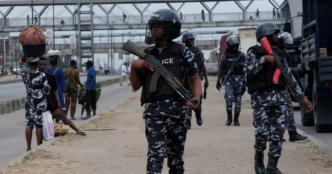
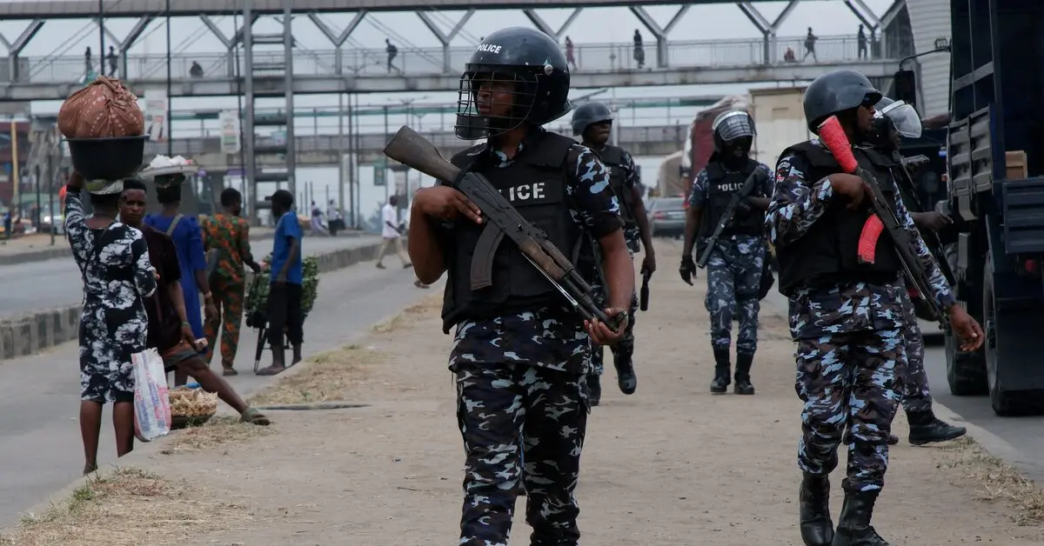
Two-thirds of Nigeria’s state assemblies have approved a landmark constitutional amendment to decentralise policing nationwide, clearing the final major legislative hurdle for President Bola Tinubu’s security reform agenda.
The legislation allows Nigeria’s 36 states to establish independent local police forces rather than relying exclusively on the federal police force, which critics frequently brand as inefficient and overstretched.
“State police will soon be a reality in Nigeria, helping reduce ungoverned spaces and improve national security,” declared presidential spokesman Bayo Onanuga on Friday.
Read More : 14 Bandits Killed in Katsina Gun Battle
The reform comes as President Tinubu battles widespread violence from armed groups while campaigning for a second term in the upcoming January election.
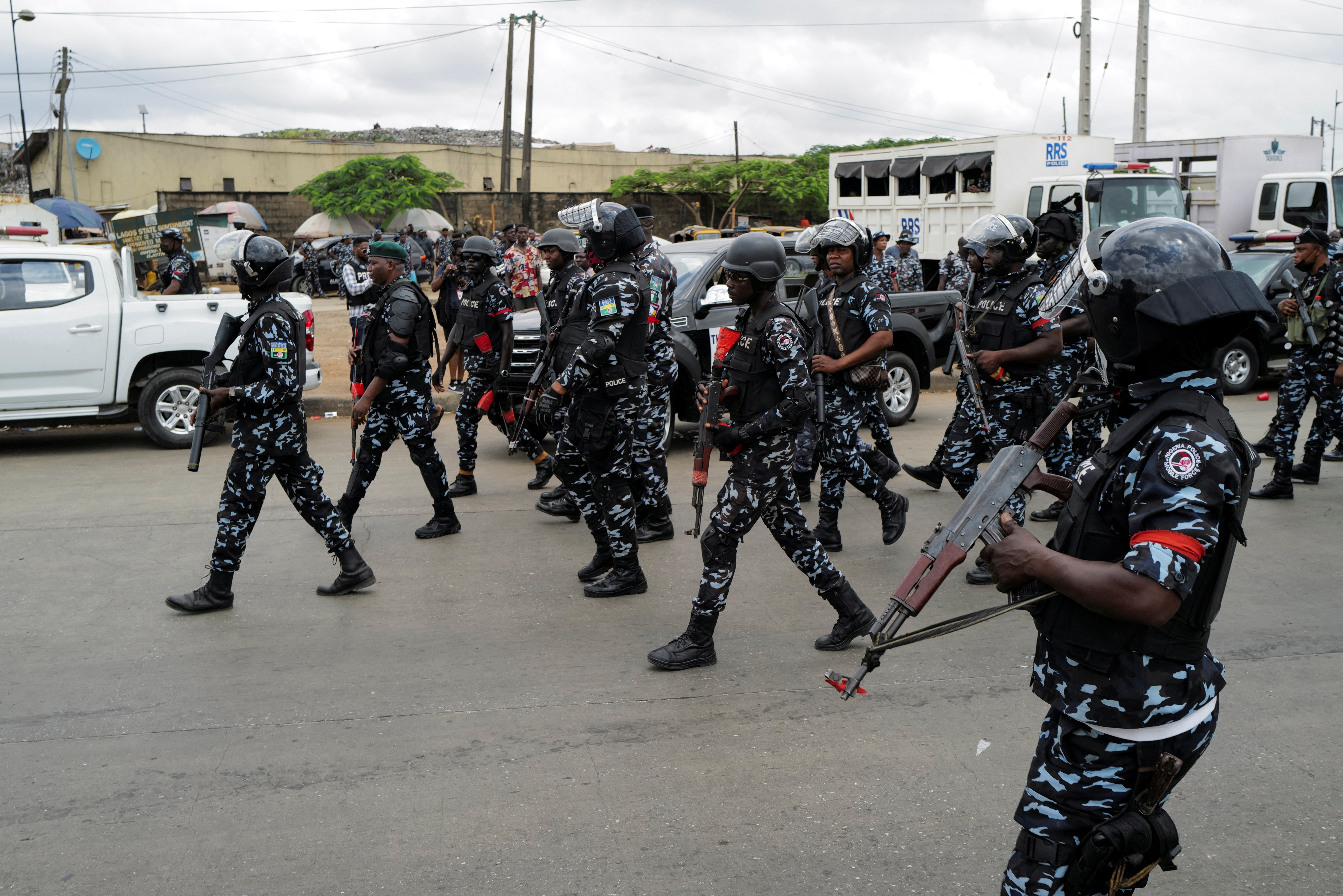
Chief of Staff Femi Gbajabiamila confirmed via X that 24 state houses of assembly backed the measure, enabling the National Assembly to transmit the bill directly to the president for his executive assent.
PRESIDENTIAL WORKING GROUP APPLAUDS AS STATE POLICE AMENDMENT CLEARS CONSTITUTIONAL THRESHOLD IN STATE ASSEMBLIES
The Presidential Working Group on the National Policing Bill notes with satisfaction that the Constitution (Sixth Alteration) Bill, 2026, providing for a dual policing system, has been approved by 24 State Houses of Assembly, meeting the constitutional threshold of two-thirds of the 36 states.
The Working Group commends the State Houses of Assembly for their decisive action on this reform of national importance and appreciates the National Assembly for passing the amendment in both chambers.
In line with Section 9 of the Constitution, the amendment can now be returned to the National Assembly for transmission to Mr President for assent.
The approval gives constitutional backing to the policing framework that the Working Group’s draft National Policing Bill, 2026 is designed to implement.
The Working Group’s efforts remain on track. The draft Bills are currently undergoing legislative drafting review and validation at the Federal Ministry of Justice and are expected to be returned on or before Friday, 30th October 2026. Thereafter, the Group will give them final consideration before presenting them to Mr President.
The Working Group urges all stakeholders to support a smooth transition to a dual policing system that makes Nigerians safer.
FEMI GBAJABIAMILA, CFR
Chief of Staff to the President
Chairman, Presidential Working Group on the National Policing Bill
October 23, 2026— Femi Gbajabiamila (@femigbaja) October 23, 2026
Proponents argue that state-level policing will create agile, locally staffed units with intimate knowledge of regional terrain to combat northern jihadist insurgencies, banditry, central farmer-herder conflicts, and southeastern separatist violence.
Read More : Atiku’s Camp Dismisses Tinubu’s Relief Plan
Despite strong political backing, security analysts warn that state-controlled forces could grant dangerous leverage to powerful state governors.
Experts express deep concern that governors might weaponise local police departments to intimidate opposition parties, harass vocal critics, and disrupt electoral processes.
Nevertheless, federal officials insist the law will ultimately strengthen national security and eliminate lawless zones across Africa’s most populous nation.