


 Trending

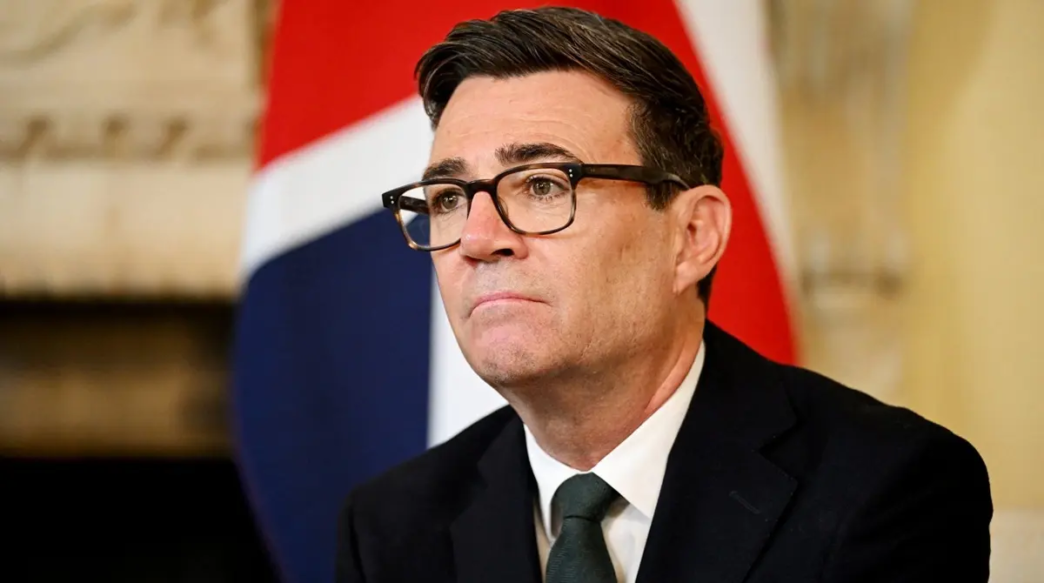
United Kingdom (UK) Prime Minister Andy Burnham has expressed openness to a formal British apology for the transatlantic slave trade but has ruled out financial reparations to Caribbean nations.
Burnham set out his position in an opinion article in The Guardian on Saturday, before the Commonwealth leaders’ summit in Antigua and Barbuda. He said Britain needed to confront its history and have “difficult conversations to safeguard the Commonwealth for the future”.
The prime minister said he wanted to “express my sorrow and regret for the pain and suffering of so many millions and to recognise the way it still shapes our world today”.
Read More : Iran Rules Out US Talks Despite War Fears
However, he maintained that financial reparations were not “the right answer”.
“I do not think that British people today can be held liable for historical wrongs, however heinous, that happened in a different age under different laws and in which they played no personal part,” he wrote.
Burnham described the transatlantic slave trade as a “brutal and barbaric violation” of the rights of enslaved people. He also offered to begin a structured dialogue with those affected.
“Listening to calls for a formal apology on behalf of the British state will form an important part of this process and I am open to them,” he said.
Meanwhile, Burnham announced plans to launch a debt restructuring initiative for the poorest Commonwealth countries. The programme will be led by former Labour Prime Minister Gordon Brown. He said he would work with global partners to help the countries repay their debts over longer periods and at better rates.
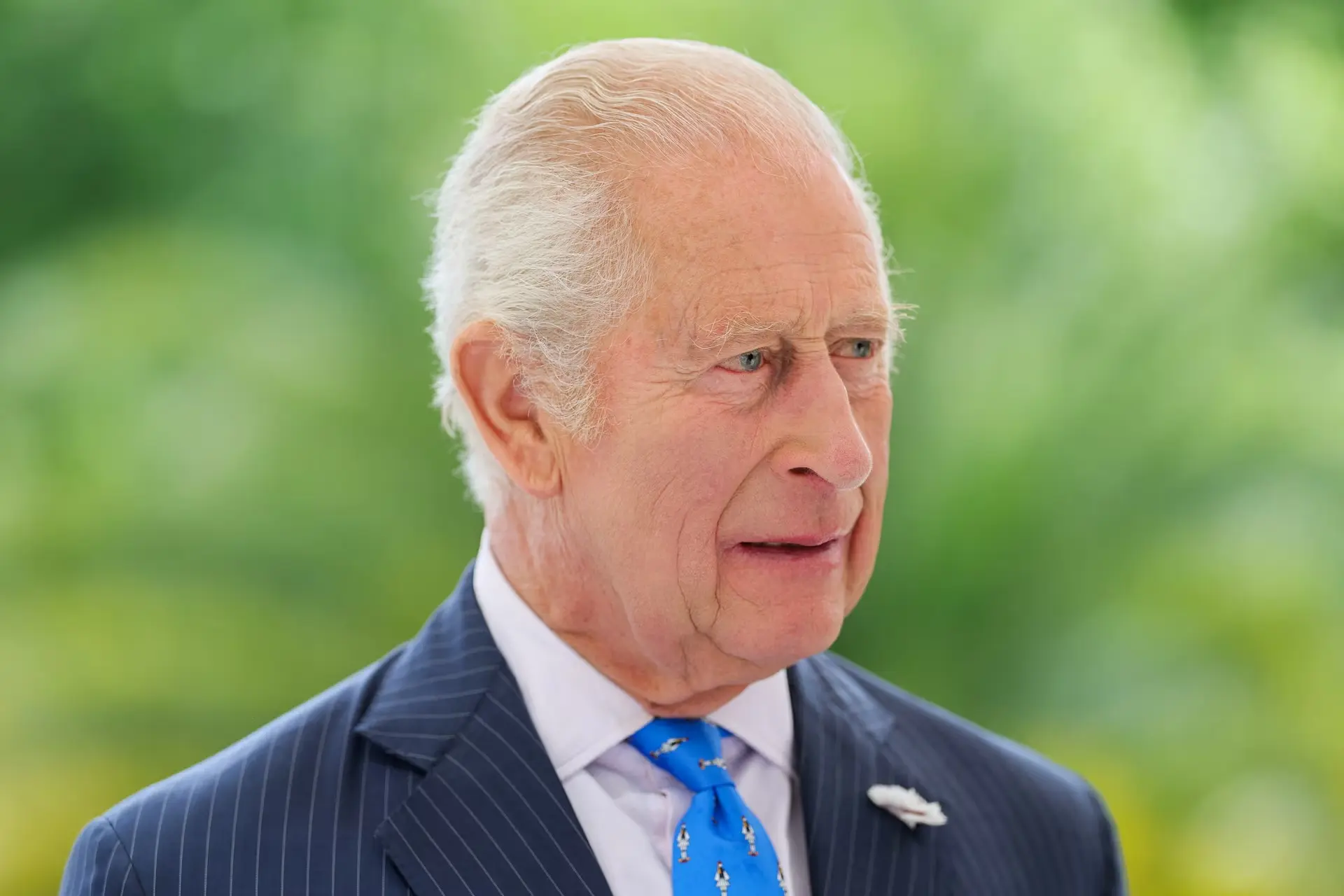
The issue of slavery has remained central to King Charles III’s ongoing nine-day visit to the Caribbean. The monarch is also expected to address the Commonwealth summit. Burnham is scheduled to attend the gathering, which runs from Sunday to Wednesday in St John’s, the capital of Antigua and Barbuda.
The 56-member Commonwealth is made up mainly of former British colonies. Britain’s role in the slave trade and its treatment of former colonies have remained contentious issues within the organisation.
During his visit to the Bahamas on Tuesday, King Charles acknowledged “the great suffering of the past”. On Friday, he also visited an execution site in Guyana where local people were killed during British colonial rule. He paused there to reflect on the historical injustice.
Britain has never formally apologised for slavery or agreed to pay reparations. Although the country profited from colonialism and the slave trade for centuries, it maintains that it also played a leading role in ending the trade.
In 1833, the UK Parliament passed a law to abolish slavery in most parts of the British Empire. However, Denis O’Brien, founder of The Repair Campaign, which advocates reparations for Caribbean nations, called on Britain to issue a formal apology.
London “must stop obfuscating and give a full and formal apology now,” he said. He described the apology as “a significant and symbolic first step towards reparatory justice”.
Read More : Khamenei Warns US Against Renewed Attacks
Meanwhile, UK Conservative leader Kemi Badenoch opposed reopening the debate over a formal apology. She also maintained her opposition to reparations. Badenoch urged Commonwealth leaders to “look forward” and “not endlessly backwards”.
“Slavery was an evil in which people from every continent and region participated,” she wrote on X.
“We should be honest about the whole history, not select the parts that are politically convenient today,” she added.