Trending

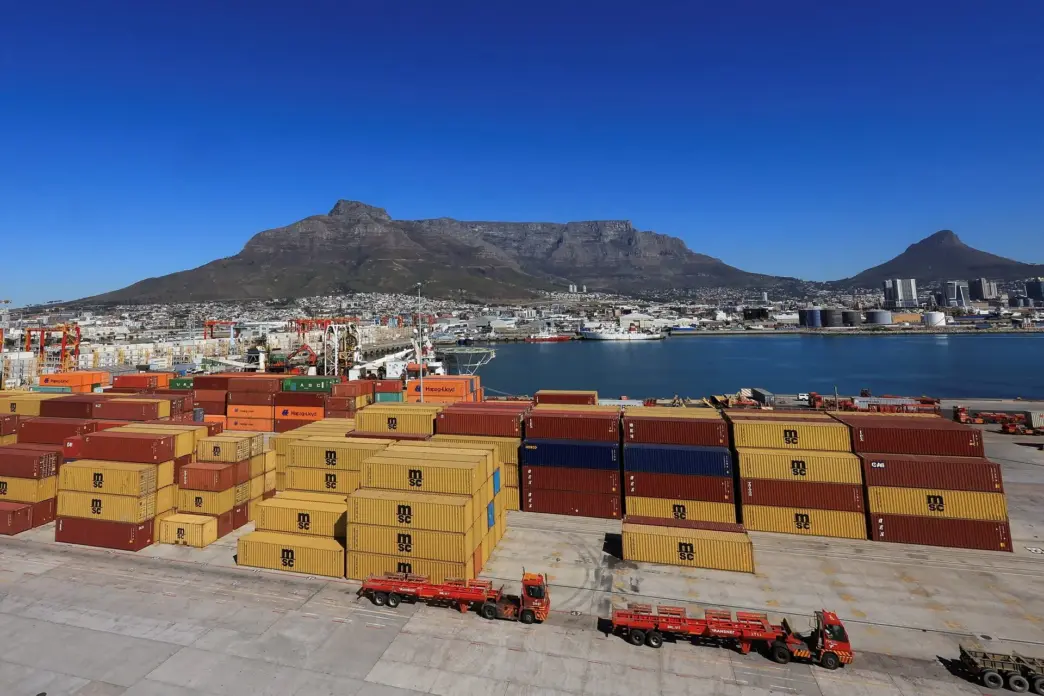
Washington’s notification to suspend South Africa and Rwanda from the African Growth and Opportunity Act (AGOA) starting in January 2027 creates a localised shock to specific domestic industries.
While headlines frame the move in dramatic terms, the decision targets focused agricultural and manufacturing sub-sectors rather than dismantling national economies.
In South Africa, speciality agricultural sectors are under immediate pressure.
Farmers have cultivated entire citrus orchards and developed wine estates in Stellenbosch specifically tailored to meet North American health requirements and consumer preferences. These specialised products cannot easily shift to alternative international markets overnight.
Consequently, smaller producers face squeezed profit margins, reduced competitiveness against South American or European rivals, and localised job losses in communities already struggling with high unemployment.
For Rwanda, where overall trade volumes with the United States remain modest, losing duty-free clothing and agricultural access threatens niche export momentum and historical market access.
Despite genuine anxiety among regional trade unions and farming associations, a cold analysis of trade metrics demonstrates that the broader macroeconomic fallout will remain limited.
AGOA’s Primary Beneficiary
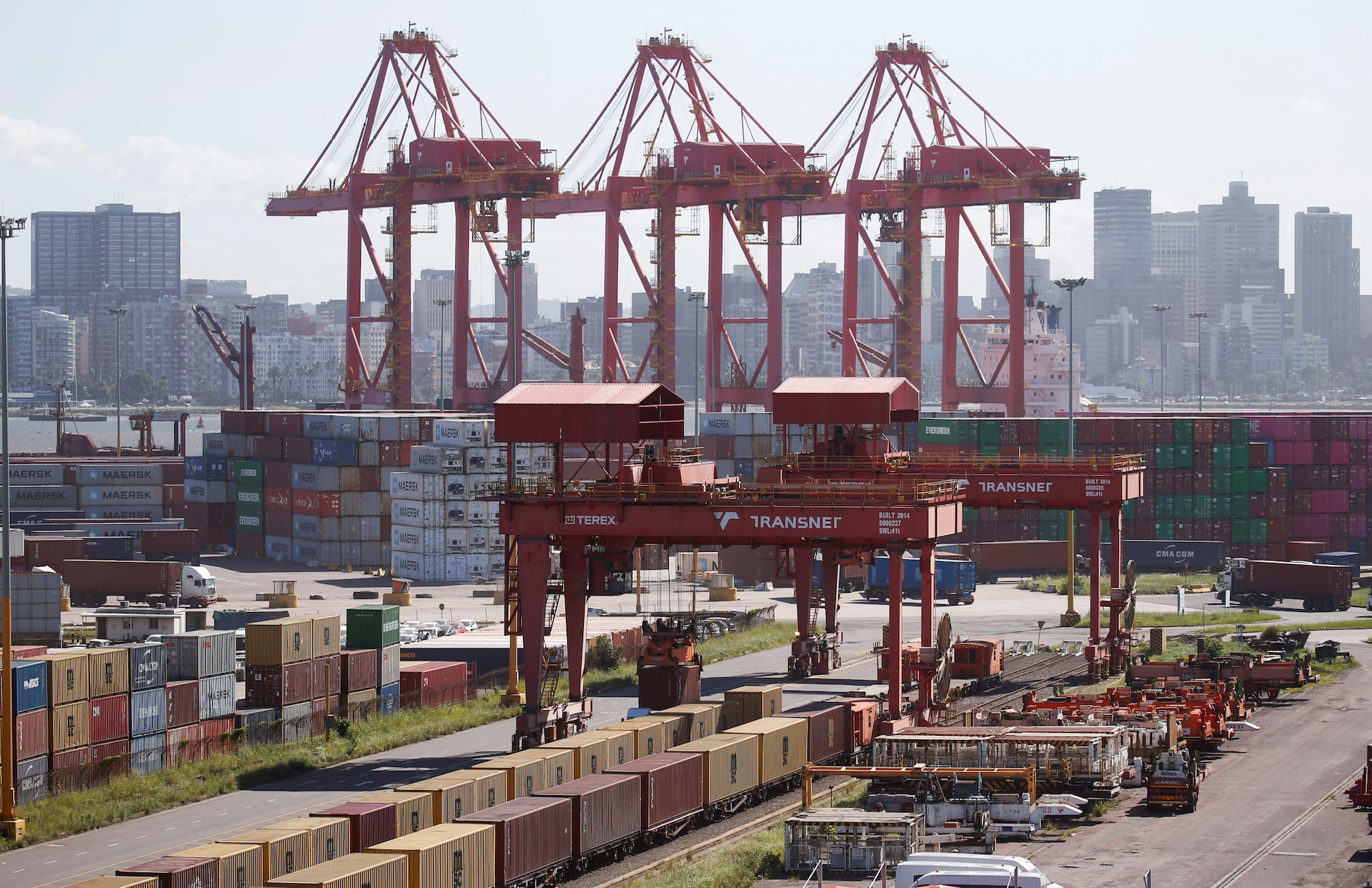
South Africa has long stood out as AGOA’s primary beneficiary, yet nearly 90 per cent of its exports to the United States already operate entirely outside the programme.
Bilateral commerce relies heavily on precious metals, iron, and steel, commodities governed by general trade rules rather than preferential AGOA quotas.
Furthermore, key sectors such as automotive manufacturing faced revised tariff structures before this announcement, effectively neutralising their reliance on AGOA benefits.
Economists have noted for years that South Africa’s upper-middle-income status makes its eventual graduation from unilateral trade preferences inevitable.
The shift away from duty-free access introduces modest average tariff additions of around 3.4 per cent on affected goods, rather than outright market exclusion.
Financial markets reflected this calm reality: the rand experienced minimal movement, and local bond yields remained stable, signalling that global markets had largely priced in the political friction.
The loss of AGOA access exposes the structural vulnerability of relying on non-reciprocal, politically contingent trade agreements.
When preferential access depends on the political climate in foreign capitals, domestic exporters remain exposed to sudden policy shifts.
Political Narratives or Lobbying Failures
Rather than dwelling on political narratives or lobbying failures, governments in Pretoria and Kigali must treat this moment as an essential strategic catalyst.
State institutions must work directly with vulnerable citrus, fruit, and wine producers to absorb transitional costs, maintain employment, and comply with alternative global standards.
Concurrently, trade ministries must accelerate commercial expansion into high-growth markets across Asia, the Middle East, and Latin America, reducing over-reliance on single-destination export routes.
Above all, accelerating the implementation of the African Continental Free Trade Area (AfCFTA) offers a far more durable, predictable framework for long-term industrial growth than foreign trade concessions.
Washington’s decision closes one chapter of regional trade relations, but it gives African economies a clear mandate to build resilient, reciprocal, and diversified commercial networks for the future.