Trending

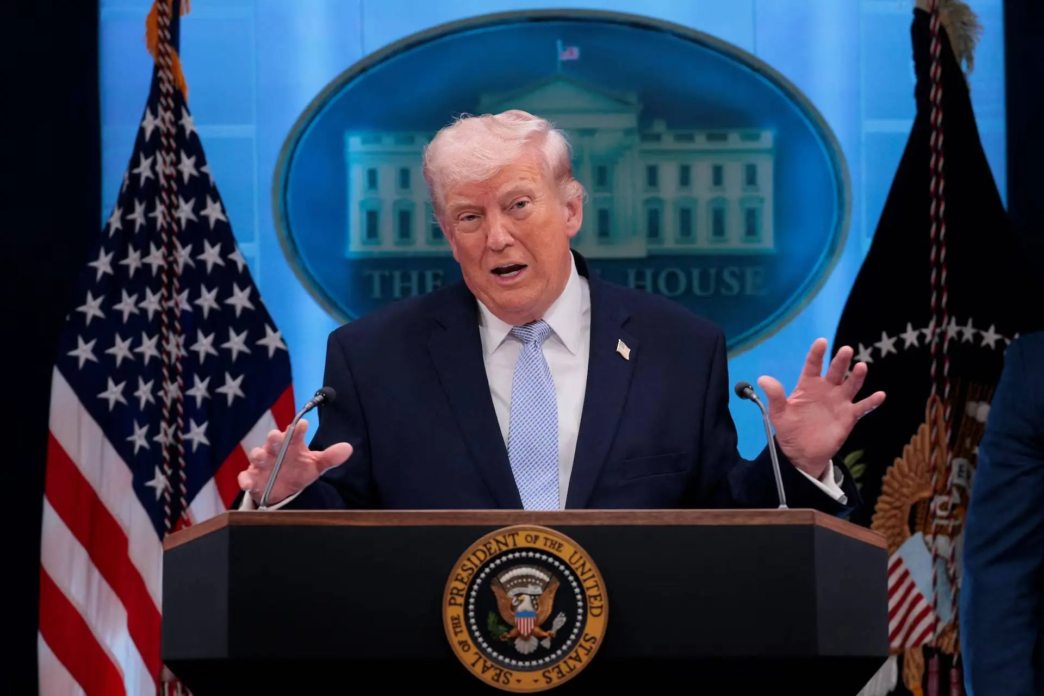
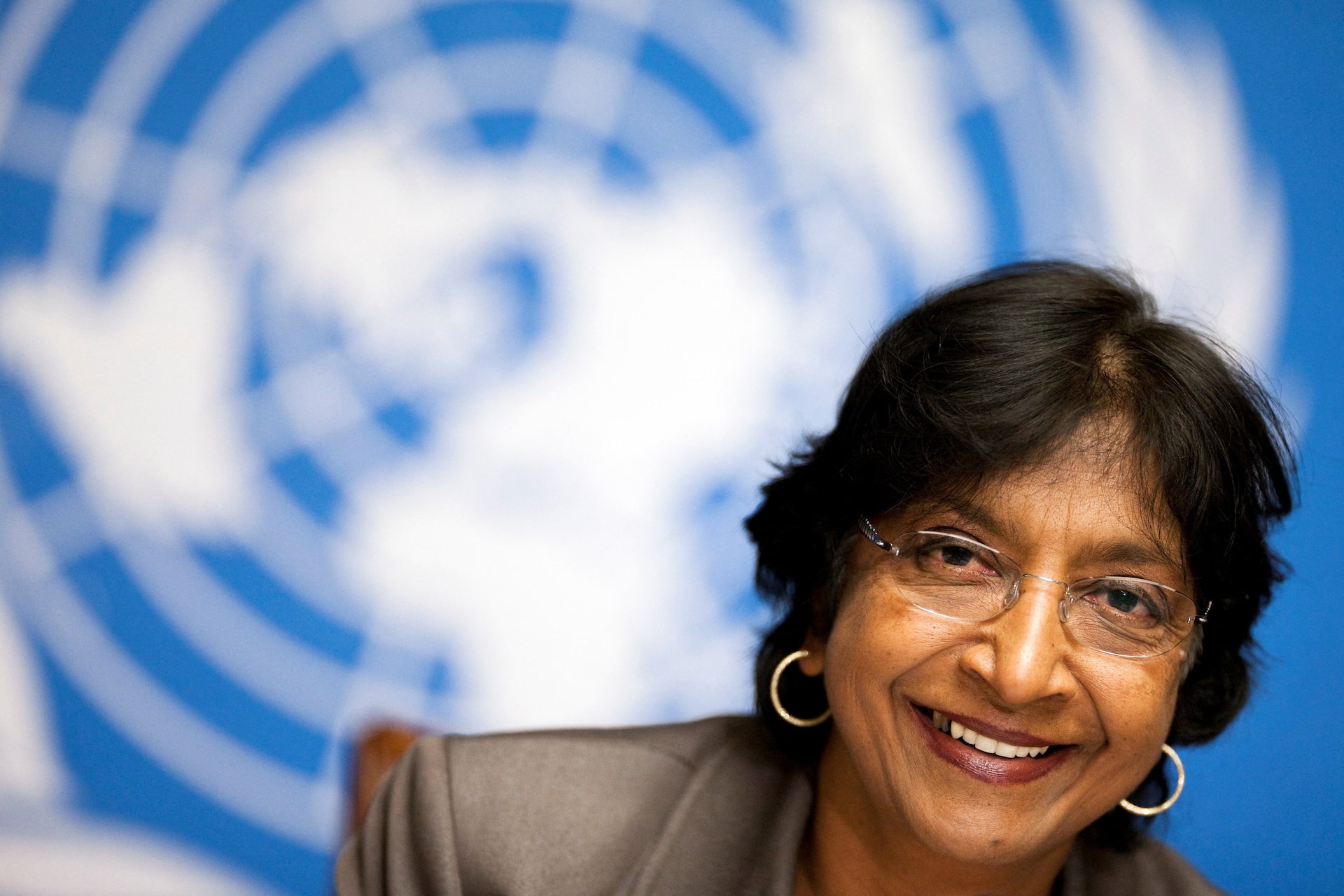
The Norwegian Nobel Committee’s decision to award veteran South African judge Navi Pillay the Nobel Peace Prize instead of Donald Trump provoked a swift, aggressive reaction in Washington that reveals a profound divide in international governance.
Hours after Pillay, a former judge of the International Criminal Court (ICC) and UN rights chief, received the honour, US Secretary of State Marco Rubio announced broad sanctions aimed at crippling the Hague-based court, calling it an unruly “rogue court.”
Rubio also explicitly warned against political attacks on the tribunal.
Read More : Defections, Divisions and Tinubu’s 2027 Edge
Today, the Trump Administration is sanctioning the ICC.
This action should encourage our Allies within the Court to work for solutions to end this threat to U.S. sovereignty forever. https://t.co/D86dCqLUaZ
— Secretary Marco Rubio (@SecRubio) October 9, 2026
This sharp confrontation exemplifies the growing gap between the rules-based international order and transactional realpolitik. As evidence of real peacemaking, Trump’s foreign policy supporters consistently cite bilateral deals and regional normalisation accords.
Nonetheless, the Nobel Committee consistently favours institutional responsibility, international law, human rights frameworks, and structural peace over top-down geopolitical agreements.
By paying tribute to Pillay, who oversaw the International Criminal Tribunal for Rwanda, served on the ICC, and looked into war crimes in Gaza, the Committee reiterated that long-term peace requires normative, durable justice rather than short-term executive agreements.
Washington quickly, unilaterally, and unyieldingly retaliated against the court.
Rubio said that Washington will start demolishing the ICC “brick by brick” and vowed that the United States would “never allow” the tribunal to punish American personnel.
Although the State Department included a de facto six-month grace period to compel member governments to make “meaningful progress” toward restraining the court, the measures prohibit financial dealings with the organisation.
International allies, especially those who depend on US military support, were given a clear warning by Rubio to limit the ICC’s authority or face repercussions.
Quick Escalation
Leaders like Israeli Prime Minister Benjamin Netanyahu, who is subject to an active ICC arrest warrant, applauded the penalties, while the UN, the European Union, and important allies like Canada, France, Germany, and the UK denounced them as a catastrophic blow to international justice.
This quick escalation has significant strategic, diplomatic, and economic ramifications for South Africa. As a founding member of the Rome Statute and an outspoken supporter of international law, Pretoria is now squarely in the path of an assertive American unilateralism.
Global accountability, multilateral consensus, and international law are intrinsically linked to South Africa’s foreign policy character.
Pretoria is under direct pressure from its second-largest bilateral trading partner to protect the integrity of international justice due to Washington’s open demand that member states disband or undermine the tribunal.
This institutional conflict threatens South Africa’s delicate economic security.
Established economic agreements are frequently transformed into political leverage within the framework of US foreign policy, which is nationalist and deal-driven.
Trade agreements like the African Growth and Opportunity Act (AGOA), which provides duty-free access for billions of dollars’ worth of South African manufactured goods, automobiles, and agricultural products, are susceptible to political reprisals.
Uncomfortable Window
The six-month grace period set by the State Department creates an uncomfortable window in which non-aligned middle powers, such as South Africa, face tremendous pressure to decide whether to comply with US demands or risk important economic favours.
Additionally, the US attack on the ICC and the simultaneous celebration of Pillay underscore a grave dilemma for Global South diplomacy.
To counteract power imbalances, South Africa’s grand plan mainly relies on multipolarity, operational UN agencies, and reputable international judicial authorities.
The ability of disadvantaged nations to defend their sovereignty, mediate conflicts, and rely on the rule of law quickly disappears if the world’s leading superpower consistently delegitimises international courts to protect itself and its allies.
Ultimately, South Africa’s diplomatic flexibility will be put to the test by the Nobel Prize verdict and the ensuing US penalties.
Although Pillay’s Nobel Prize victory triumphantly validates South Africa’s legal prowess and moral leadership on the international scene, the geopolitical and economic ramifications pose an urgent threat.
Pretoria must strike a careful balance between preserving its vital trade and economic ties and upholding the multilateral institutions that protect international justice in order to survive in this increasingly hostile environment.