


 Trending

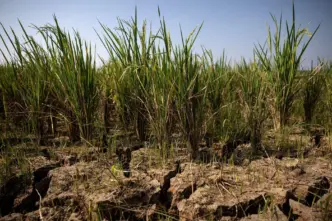
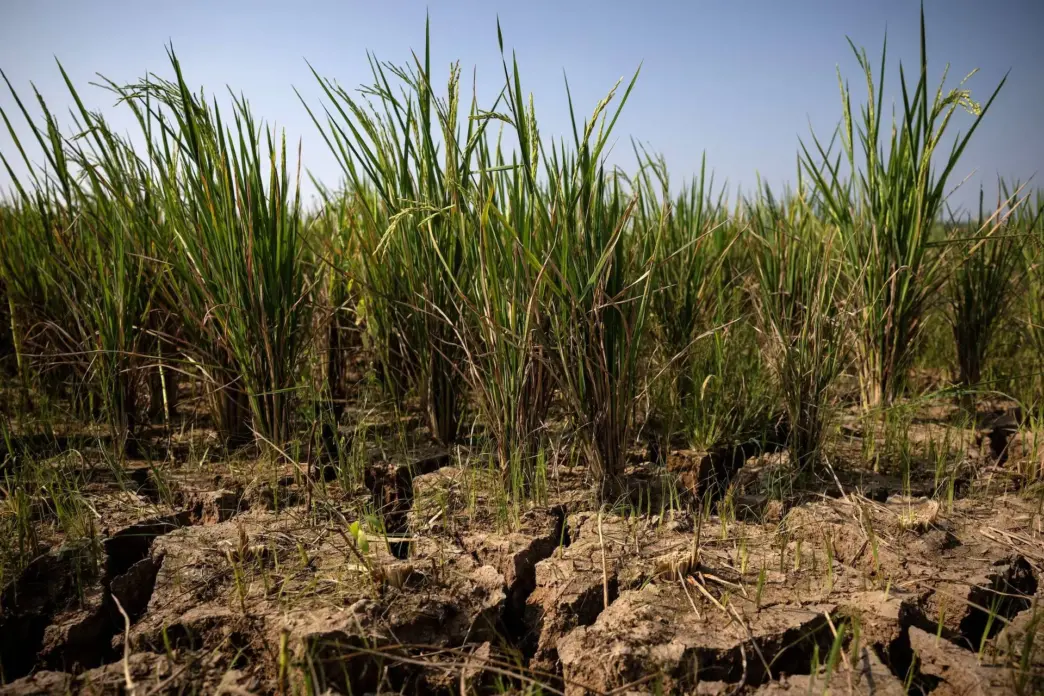
From blazing Amazon rainforests to scorched Indonesian peatlands and shrinking West African cocoa harvests, an exceptionally powerful El Niño is battering communities worldwide.
The climate phenomenon warms surface waters across the central and eastern equatorial Pacific, disrupting global winds, atmospheric pressure, and rainfall on top of human-driven global warming.
Forecasters expect this potentially record-breaking event to peak in December, though its extreme heat, floods, and droughts will punish vulnerable regions well into 2027 and beyond.
Read More : Nigeria Slowly Rolls Out Malaria Vaccine
In South America, extreme weather has already forced governments into emergency action.
Authorities in Brazil’s drought-stricken Para state declared a state of emergency on Thursday after logging more than 5,000 Amazon fires since early November—nearly matching the entire previous November total.
Officials banned agricultural pasture burning to protect the world’s largest tropical rainforest, a vital buffer against global warming.
Neighbouring Peru also declared an emergency earlier this month as El Niño floods and landslides threaten more than nine million residents.
Across the Atlantic, extreme heat and moisture deficits threaten to cripple Ivory Coast’s vital cocoa sector.

Meteorologists warn that a 10- to 27 per cent drop in rainfall and an extended dry season could slash production in the world’s top cocoa exporter by 21 to 25 per cent.
Draining National Export Revenues
Shrivelled pods and defoliated trees will inflict massive income losses on farmers while draining national export revenues.
Meanwhile, satellite monitor Nusantara Atlas reported on Wednesday that Indonesian wildfires have already consumed nearly 2.9 million hectares—an area 18 times the size of London—in 2026.
Scientists from the World Weather Attribution group confirmed on Friday that El Niño drove the severe July-to-October drought behind these blazes, while fossil-fuel-driven climate change made such extreme conditions roughly three times more likely.
Decades of deforestation, peatland drainage, mining, and logging further amplified the disaster.
As delegates debate climate finance at UN negotiations in Türkiye, United Nations Development Programme chief Alexander De Croo urged leaders to fund preventive measures immediately.
Read More : Who Could Replace Jensen Huang if Ousted?
De Croo warned on Friday that hedging against El Niño impacts costs $36 billion today, whereas delaying action will double the bill to $73 billion.
Echoing that urgency, Food and Agriculture Organisation chief economist Maximo Torero cautioned that climate shocks will hit hardest across 22 high-risk nations—more than half in Africa—where conflict, debt, and economic crises already weaken food systems.
Proactive protection of crops, livestock, and water supplies remains essential to prevent acute hunger and runaway food prices.