Trending

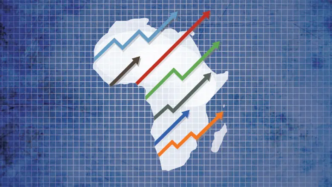
Nigerian businessman Atedo Peterside and Executive-in-Residence at Saïd Business School, University of Oxford, Arunma Oteh, have called for inclusive economic policies that protect vulnerable citizens, expand investment and create opportunities for Africa’s growing youth population.
They made the calls on Tuesday at the Oxford Global Think Tank Conference, themed “Setting Africa’s Priorities for a Prosperous Future.”
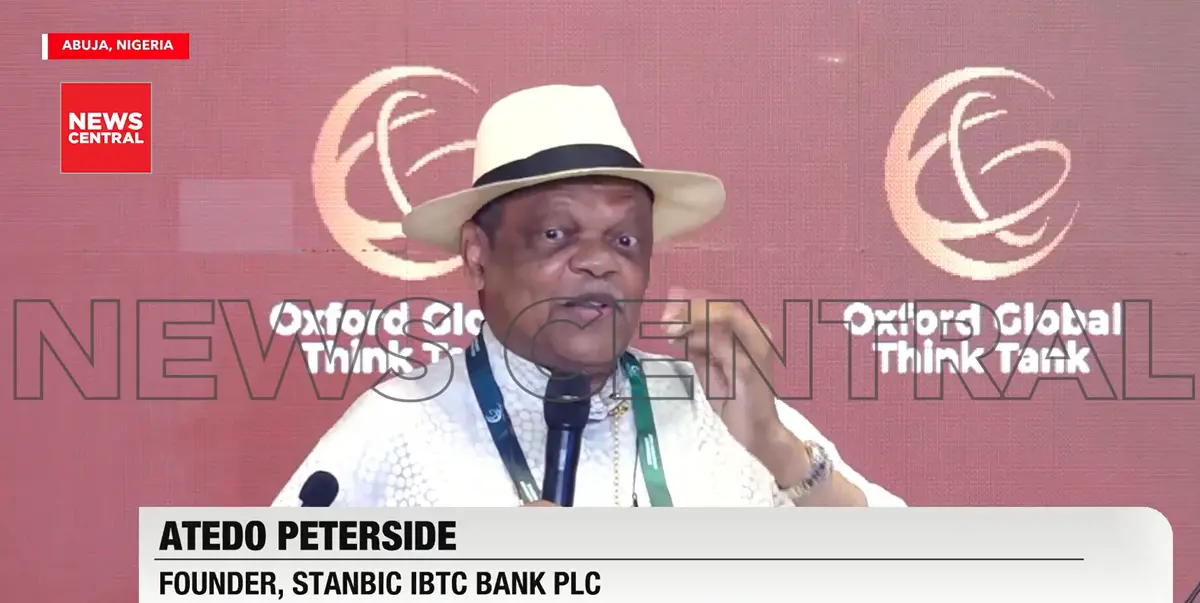
Peterside warned that poorly planned economic reforms could deepen poverty and inequality if governments fail to protect vulnerable people. He said African countries, particularly Nigeria, must put proper social safety nets in place before introducing major economic changes.
Read More : Sanusi Calls For More Women In Governance
Peterside noted that Nigeria has an estimated 113 million people living in poverty. He argued that the government must consider their needs when designing policies. He criticised the distribution of 10,000 bags of rice to Kano State, which has a population of about 17 million, describing the intervention as inadequate.
“You send 10,000 bags of rice to Kano. That is an insult, a state that has 17 million people,” he said.
He also questioned whether the relief materials reached those who needed them most. According to him, some of the people seen receiving the rice appeared to belong to middle- and upper-middle-income groups.
“In Nigeria, and most of Africa, we’re stealing from the poor to give to the rich,” Peterside said.
Beyond social protection, he identified unequal access to opportunities as another major barrier to development. He accused influential people of manipulating public institutions and opportunities to favour their children, relatives and associates.
Using the judiciary as an example, Peterside said the first generation of judges had risen through merit but failed to preserve the same opportunities for others. He argued that this practice makes it harder for talented people from poor families to secure jobs and escape poverty.
“In the olden days, if you trained one young son very well and you passed all these exams brilliantly, he will get a job on merit and you will help lift the family out of poverty,” he said.
“In Nigeria and most of Africa, we are stealing from the poor to give to the rich.”
Stanbic IBTC Bank Plc founder Atedo Peterside says Nigeria’s economy increasingly favours the wealthy and politically connected over millions of Nigerians.
— News Central TV (@NewsCentralTV) November 3, 2026
Peterside also criticised the concentration of government appointments and economic power in areas with lower poverty levels. He said public officials could use their positions to direct contracts, appointments and other opportunities towards their communities and personal networks.
He called for greater diversity in government, warning that continued exclusion could deepen inequality and create widespread frustration.
“Why do all empires collapse? Because they don’t take care of this problem of making sure that you don’t have so many losers that eventually wipe everything from you,” he said.
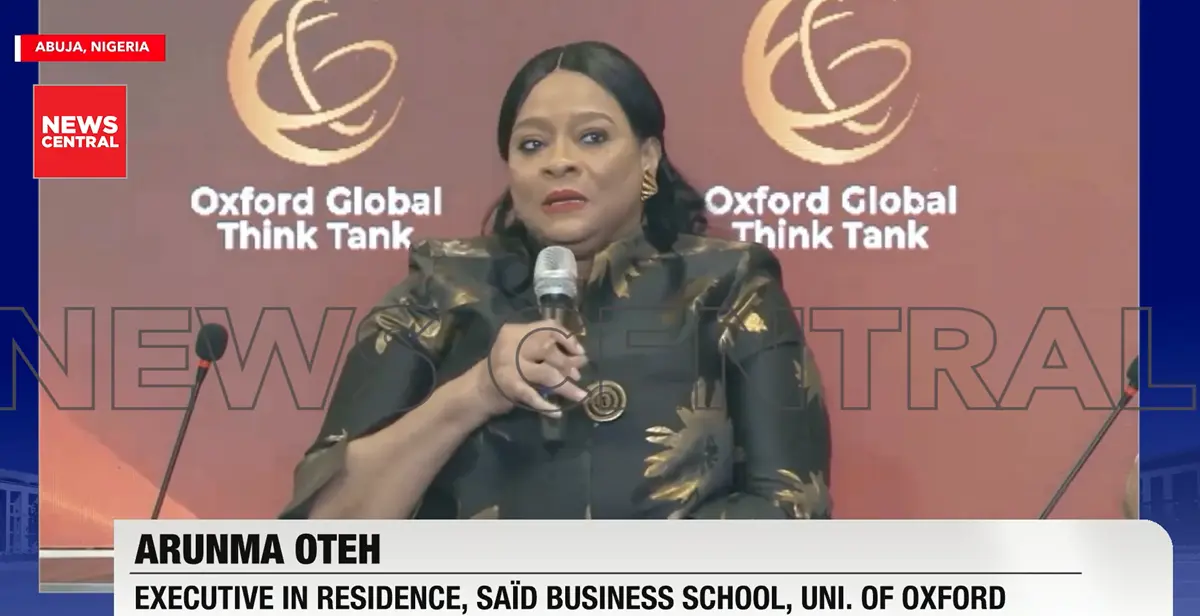
Meanwhile, Oteh stressed the need for African countries to strengthen domestic capital markets and invest in young people to support inclusive economic growth. She urged the continent to recognise its achievements instead of focusing only on its challenges.
Oteh highlighted the importance of expanding retail participation in capital markets, particularly in Nigeria. She cited interest in the proposed Dangote Refinery initial public offering (IPO), which she said attracted more than 17 million subscribers from 119 countries.
She described broad participation in the capital market as important for building a more inclusive economy.
“We must focus on some of the foundational issues; people-centred investment and skills are critical,” Oteh said.
The former World Bank Treasurer also called for greater investment in Africa’s youth, noting that about 70 per cent of the continent’s population is under 30. She said governments must equip young people with education, skills and opportunities to prepare them for the future.
According to Oteh, investing in young people would help unlock Africa’s potential for innovation and economic growth. She also advocated greater decentralisation to improve local governance and resource management.
Oteh argued that some national structures need review to give local authorities more room to manage resources and address community needs. Citing Nigeria’s electricity sector, she said decentralising electricity management had created opportunities to improve power access in different parts of the country.
“Decentralisation is key; it’s an ecosystem approach. The capital market is doing their job, but we need domestic mobilisation and inclusive strategies,” she said.
Read More : Lagos Police Uncover Indoor Cannabis Farm
Both speakers stressed the importance of policies that expand economic opportunities and ensure that development benefits more people.
Executive-in-Residence at Saïd Business School, University of Oxford, Arunma Oteh says Africa must do more to prepare its young population for the future by expanding access to skills, technology and investment opportunities. https://t.co/3zVzLQifSo
— News Central TV (@NewsCentralTV) November 3, 2026